A Project for Classical and Victorian Novel
CRITICAL REVIEW OF PRIDE AND PREJUDICE
By Jane Austen
Title: Love Beyond Pride and Prejudice
Submitted to
Muhammad Adnan Gujjar
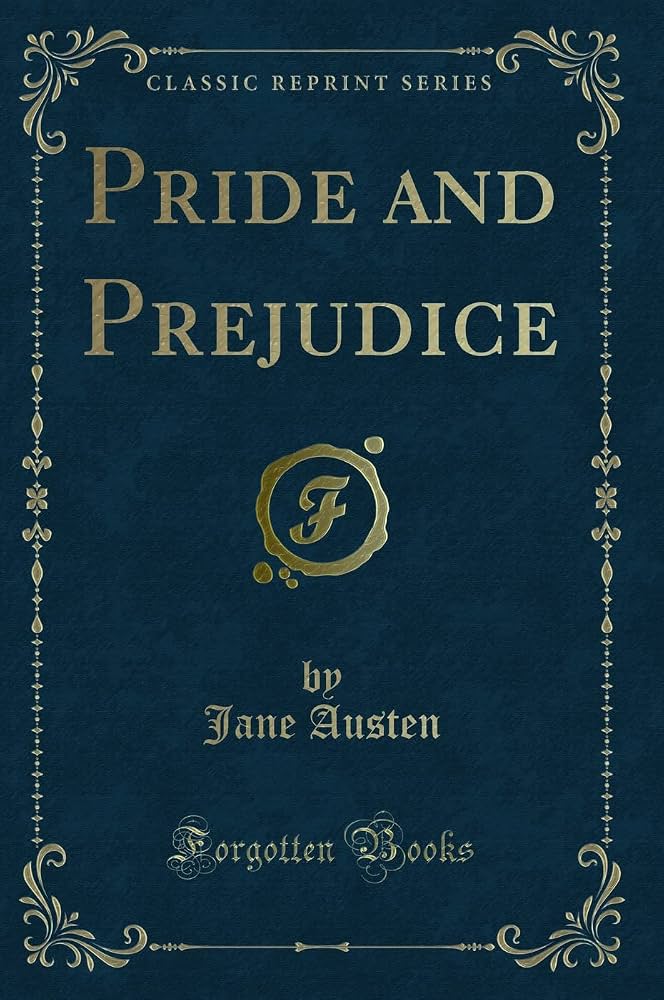
Jane Austen’s Pride and Prejudice is one of the most celebrated novels of English literature. Austen began writing an early version of the novel, originally titled First Impressions, in 1796. It was published in 1813, during the Regency period, which formed part of the wider Georgian era. The novel portrays a society shaped by strict class distinctions, economic dependence, and limited opportunities for women. It is sometimes described as a “marriage-market” novel because it examines the social and financial pressures surrounding marriage in English society.
The novel explores love, marriage, social class, pride, prejudice, reputation, and personal growth. Its central story concerns the developing relationship between Elizabeth Bennet and Fitzwilliam Darcy. The Bennet family lives at Longbourn and consists of Mr and Mrs Bennet and their five daughters: Jane, Elizabeth, Mary, Kitty, and Lydia. Because the Bennet estate is entailed away from the female line, Mrs Bennet is anxious to see her daughters marry well. She hopes they will find financially secure and socially respectable husbands.
The novel opens with one of its most famous lines: “It is a truth universally acknowledged, that a single man in possession of a good fortune, must be in want of a wife.” This statement is ironic: it appears to describe wealthy unmarried men, but it also introduces the social expectation that women should seek advantageous marriages.
In the opening chapter, Mrs Bennet is excited to learn that a wealthy young man, Mr Bingley, has rented Netherfield Park nearby. She immediately imagines that one of her daughters might marry him. Mr Bennet responds with dry humour and does not share her excitement openly. This conversation establishes the contrast between Mrs Bennet’s anxious enthusiasm and Mr Bennet’s detached wit. It also introduces the importance of marriage to the family’s future.
At the assembly ball in Meryton, Mr Bingley behaves in a friendly and sociable manner and dances with Jane Bennet. His close friend, Mr Darcy, initially appears proud and distant. When Darcy declines to dance with Elizabeth and remarks that she is not handsome enough to tempt him, Elizabeth overhears him and feels insulted. His dismissive behaviour encourages her to form a negative opinion of him. This encounter lays the foundation for the misunderstandings that shape their relationship.
One of the novel’s central themes is pride and prejudice. Darcy’s pride is initially reflected in his reserve and his awareness of social rank, while Elizabeth’s prejudice appears in the quick judgement she forms after hearing his insulting remark and later listening to Wickham’s account of him. As the story progresses, both characters recognise their faults. Darcy becomes more considerate and humble, while Elizabeth reconsiders her assumptions. Their changing relationship demonstrates the importance of self-knowledge and fair judgement.
Marriage is another major theme, and Austen presents several different models of it. Charlotte Lucas marries Mr Collins primarily for financial security rather than romantic love, illustrating the practical pressures faced by women with limited prospects. Lydia Bennet’s impulsive relationship with Mr Wickham is driven largely by attraction and poor judgement; their elopement threatens the reputation of the entire Bennet family. Jane and Mr Bingley represent affection, sincerity, and mutual admiration. Elizabeth and Darcy’s eventual marriage is presented as especially fulfilling because it grows from respect, honesty, self-examination, and emotional development.
Austen also examines the importance of reputation, particularly for women. Lydia’s elopement with Wickham places her own future and her sisters’ marriage prospects at risk. Wickham initially appears charming and trustworthy, but his actions reveal his selfishness and irresponsibility. Through this contrast between appearance and reality, Austen warns readers not to rely solely on first impressions or outward charm.
The novel criticises the class system and the way wealth and social position influence relationships. Darcy initially looks down on Elizabeth’s family because of their lower social connections and lack of wealth. However, Elizabeth’s intelligence, independence, and integrity challenge his assumptions. Austen suggests that a person’s true worth depends more on character and conduct than on fortune or social status.
Austen’s writing style is one of the novel’s greatest strengths. She uses irony, wit, lively dialogue, and careful observation of human behaviour to expose social conventions and personal weaknesses. Her conversations, particularly those between Elizabeth and Darcy, reveal changes in attitude and feeling without relying on exaggerated emotion. The narrator’s irony also invites readers to question the assumptions held by the characters and by society.
As the story develops, Elizabeth and Darcy undergo significant personal growth. Darcy learns to recognise the arrogance in his conduct, while Elizabeth acknowledges that her judgement has been influenced by wounded pride and incomplete information. Their relationship improves as they overcome misunderstandings and reassess their views of each other. The ending is satisfying because their union rests not merely on wealth or attraction, but also on mutual respect and a better understanding of one another.
In conclusion, Pride and Prejudice by Jane Austen remains a timeless literary work because it explores relationships, social pressure, class, reputation, and human behaviour with humour and insight. Its characters remain memorable, and its treatment of love and marriage encourages readers to look beyond wealth, status, and first impressions. The novel’s enduring appeal lies in its argument that lasting relationships require honesty, respect, and a willingness to recognise one’s own mistakes.
In my judgement, Pride and Prejudice is a remarkable and enduring novel. Elizabeth Bennet is a strong and engaging character because she thinks independently and is not easily impressed by wealth or high social status. She reminds readers of the importance of speaking honestly and making decisions according to personal principles. Darcy is also an interesting character because he changes from a proud and reserved man into someone more humble and considerate. Although the novel contains many other memorable characters, Elizabeth and Darcy are especially important to my response because their development expresses the novel’s central message: love becomes meaningful when it is supported by self-awareness, respect, and understanding.
Reviewer: Muqdas Parveen
BS English Student
Similar Posts by The Mt Kenya Times:
- Mt Kenya Times ePAPER October 24-25, 2026
- Muturi calls on IEBC to keep election technology tender clean and on schedule
- Ruto meets UAE minister in push to deepen trade ties
- Gideon Moi breaks silence on Ruto fallout, cites broken promises
- The doctor who refused to abandon a sick Uganda
About the Author