Zafarova O'g'iloy Baxodir

By: Zafarova O’g’iloy Baxodir
Abstract – Children’s education is gaining importance in most of the modern families. As a result of improper upbringing of a child in the family, various changes occur in the child’s behavior and abnormal behavior is observed among them. Solving this issue is becoming an urgent problem today.
Keywords – pedagogical knowledge, deviant behavior, prevention, mass culture, function.
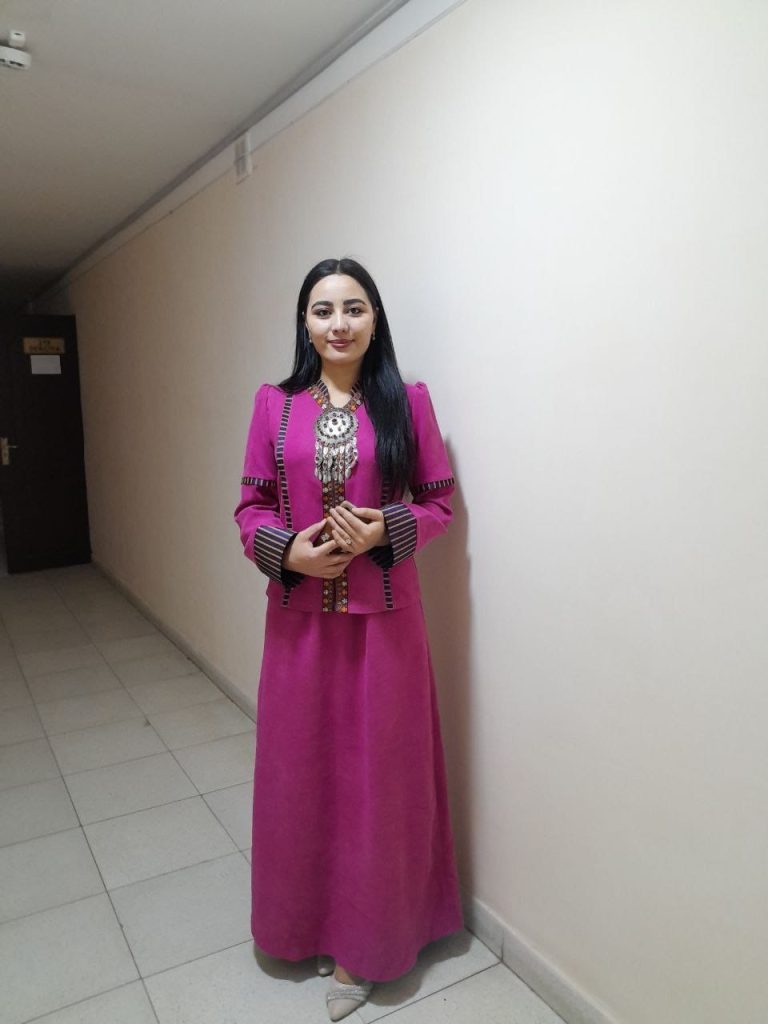
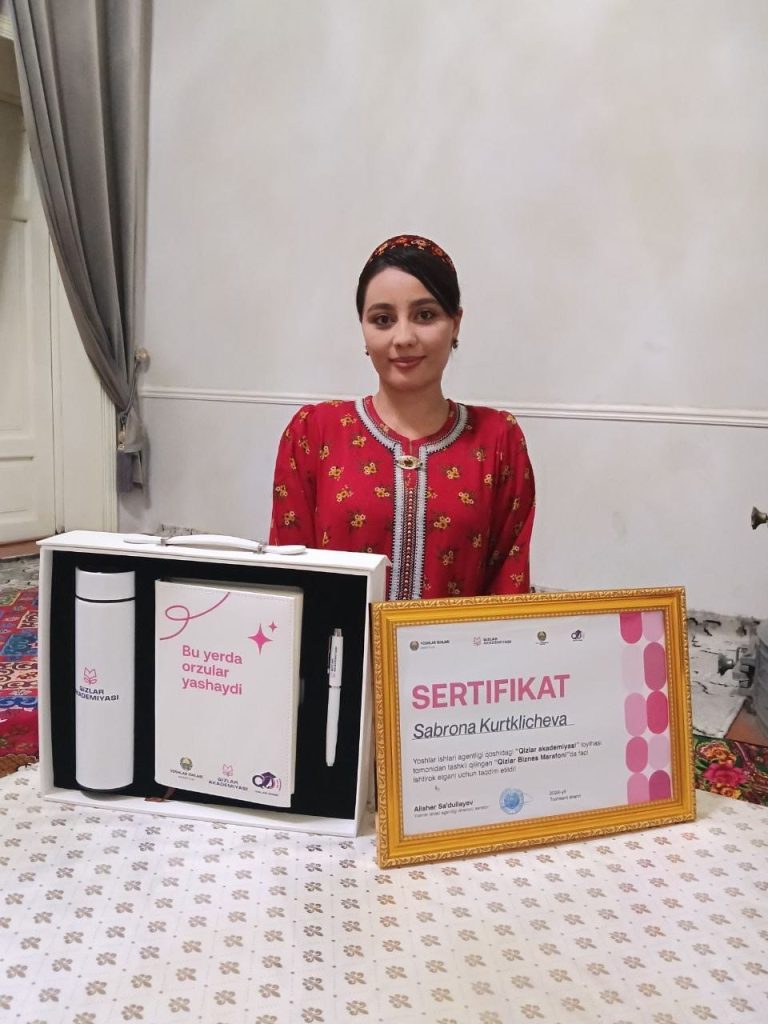
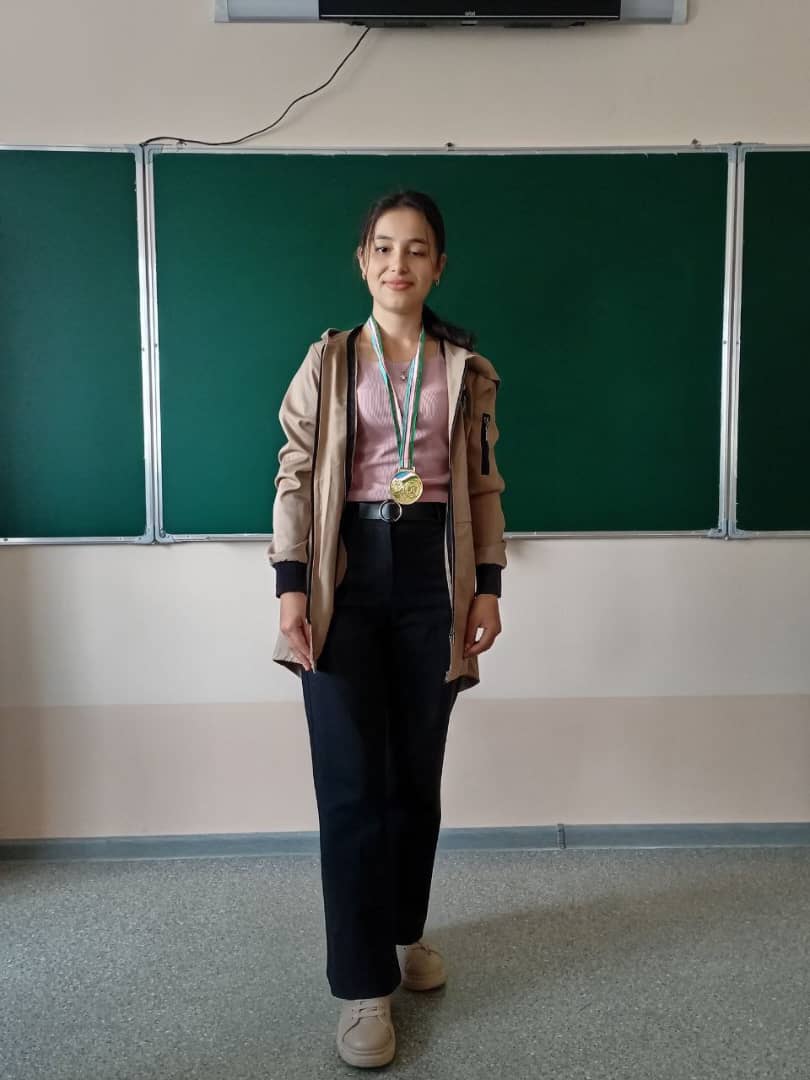
Each family as a social structure performs certain functions in front of the society. When talking about the social functions of the family, on the one hand, it is necessary to take into account the influence of society on the family, and on the other hand, the role of the family in the general social structure and the responsibility for social tasks. Today, in modern community, family education as an institution fulfills its effective role and tasks. One of such tasks and functions is the comprehensive nurture of the young generation of our future. It is known that a family keeps what a person has acquired from the first days of his childhood and keeps throughout his life. Therefore, there are many positive aspects of the family in raising a child, which is clearly expressed in love and care. It should be noted that in the life of an infant, the reputation of parents and the effectiveness of instruction methods are important. In particular, the family is one of the primary factors that determine the maturity of a person. When thinking about the family, it is necessary to pay attention to the specific aspects of family relationships, family upbringing methods, parent-child relationship. Accordingly, 4 types of family relationships are distinguished in the literature. Including psychophysiological-biological kinship and sexual satisfaction relationships. Psychological – refers to mutual trust, openness, sincerity, spiritual and emotional support, caring for each other among family members. Including social – material dependence in the family, distribution of family roles, as well as , subordination to priority relations in society, striving for power, leadership, etc. Cultural – is a specific type of family relations related to customs and traditions developed in the cultural conditions in which the family was created and exists. The above system of complex connections is clearly visible in family education. At the same time, the main causes of disorders in the upbringing of children in the family are determined by the lack of parental function and tasks, regular non-compliance with moral standards in their relationships, lack of mutual respect, protection, psychological support, care and attention. Today, in foreign scientific literature, there are opinions that the relation is the first subject of human education and it plays a leading role in the formation of personality. It is known that in the analysis of factors affecting the formation of deviant behavior in a teenager from problematic families, we initially tried to approach from the point of view of family classifications. For this purpose, we paid attention to categorization put forward by V.A.Gurieva. According to her grouping, based on the level of social adaptation, families are divided into types such as high, medium, low and very low and allocate a prosperous family, a family at risk, a dysfunctional family, and an antisocial family. In the opinion of scientist prosperous families successfully perform their functional tasks due to their high flexibility based on financial, psychological and other internal reserves. In prosperous families, the needs and inclinations of a growing kid’s personality are met in a timely and appropriate manner, and educational problems are successfully solved. Families belonging to the risk group are characterized by the presence of unpleasant, negative situations that affect the child’s personality. Examples of such families are single-parent families, low-income families based on destructive parental relationships that reduce the ability to adapt to these segments of society. In families of this category, parents grow up with high levels of stress. Therefore, based on their life experiences, they try to educate others. In fact, the representatives of this family serve as a role model for their children in their upbringing. Dysfunctional families are characterized by low social status in a certain area of life activity or in most cases. Children raised in dysfunctional families, alienation, distance from each other in mutual relations, separation from older people and frequent use of physical punishments are observed. In this case, mostly adults cannot fulfill the family tasks and functions assigned to them. As a result, the potential of flexibility in the infant’s character is not sufficiently evaluated, and the upbringing of the maturing person is accompanied by problems and difficulties. Asocial families are based on an immoral and illegal lifestyle of senior members of the family. Living conditions of people in these families do not correspond to epidemiological norms. Often in families of this category, parents are not engaged in the education of children, as a result of teenagers are neglected and age-related delays in intellectual and physical development occur. Therefore, in most cases, children are victims of acts of violence by their parents or other citizens of equal social status. A number of authors indicate options related to educational situations that contribute to the emergence of deviant behavior;a) lack of conscious educational influence on the child;b) excessive strictness and even a high level of violence in upbringing, especially this method loses its power by the time of adolescence;c) exaggerating the independence of the child in the family for malicious reasons;d) discipline in upbringing due to disagreement of parents in the family Due to reasons such as the ease of dissemination of information through the mass media (media), especially the Internet, and their large volume, parents pay enough attention to reading special literature on family relations and effective organization of children’s education in the family. The main goal of the society is to raise a well-rounded generation. This is achieved by increasing the number of parents who love books. After all, no means, including mass media, can replace books (special literature) in improving the pedagogical knowledge of parents. In addition, the personal example of reading parents increases children’s interest in reading and books in the family environment. Reading a book has many advantages. In particular: 1) children understand life and its meaning early; 2) learn to behave wisely and correctly in various life situations; 3) they develop the ability to think; 4) they are aware of the moral standards recognized by the society and learn to correctly assess their social importance; 5) on the example of the heroes of the work, they have the opportunity to understand the essence of truth and injustice, freedom and arbitrariness, good and evil, good and bad, black and white, and achieve the formation of certain moral qualities in themselves. Due to the speed of modern development, as well as the wide spread of the ideas promoted under the name of “mass culture” in the territory of different regions, the high efficiency of organizing training is not visible today. For this reason, family scientists are paying serious attention to the development of recommendations for improving the effectiveness of family education and their implementation. Such recommendations are discussed below. 1. Reasons for unsatisfactory family upbringing and their elimination. Among the main reasons for the unsatisfactory upbringing of children in the family environment, the following can be distinguished: 1. Low level of economic development of the family. Today, although parents are employed and receive a stable monthly salary, the needs of family members (for example: each family member needs a mobile phone (they need a monthly service fee), due to the daily increase in the need for provision of notebooks, netbooks, as well as the use of Internet services, certain difficulties arise in the formation of the family budget and its rational use. This in itself requires parents to continuously engage in work that allows them to earn additional income, in addition to their main job. Parents, who spend most of their time working, are spending their time earning means of livelihood (salary, food products, raw materials, etc.). 2. Lack of a conscious approach to establishing a lifestyle: In most parents, there is a desire for coercive power, social tension, uncertainty about the future, fear of losing their job, which leads to their excessive causes physical and mental stress, as a result of which cases of various diseases are noticed. 3. In the modern family, more responsibilities are imposed on women. Today’s women are burdened with more than they can handle, both at work and at home. According to the results of the conducted researches, today’s women work 77 hours a week, of which 36 hours are spent on housework. 4. High number of family divorces. This situation is caused by many social-household and spiritual-ethical reasons. In all periods, family divorces are a strong psychological shock for children, which has a sharp negative impact on their morals and psyche. 5. That father and mother are not equally responsible for organizing children’s education. In most families, the concept is formed that a man – the head of the family – should mainly solve the economic and financial issues of the family, and the upbringing of children is the sole responsibility of the mother. Today, some fathers even have the idea that “raising children is not the responsibility of the family, but of the mother.” In many cases, women themselves are the cause of this kind of prejudice. Instead of encouraging 87 men to take practical action, they began to say, “If you don’t earn, I’ll earn money myself.” 6. Growing conflicts between generations. Recently, various conflicts have arisen in families for one or another trivial reason. The fact that the main conflicts arise between the mother-in-law and the daughter-in-law is a sign that the age-old traditions of the Uzbek people are being forgotten. 7. Unable to achieve continuous cooperation between the family and educational institutions. Another characteristic of modern families is the regulation of family relations in a legal context. Thus, the reduction of the number of family members in families, the separation of generations requires a new approach to family coaching. One of such approaches is providing socio-pedagogical support to families. When providing educational support to the family by social pedagogues, it is necessary to focus on strengthening its role as a small social group that ensures family members live together or as a social institution that ensures family members reside their daily lives based on kinship. Zafarova O’g’iloy Baxodir‘s daughter resides in the Xonqa district of the Khorezm region. She is a student of the pedagogical direction in the 221st group at Urgench State Pedagogical Institute. She has actively participated in competitions such as Zakovat, Yugurish Marathon, and Shoyi Atlas Festival. In addition to these, she has excelled in chess competitions, creativity contests, poetry contests, and contests for audio-visual productions. She is considered a promising student of the institute, holding diplomas and certificates in recognition of her achievements.
Similar Posts by The Mt Kenya Times:
- Media as the fourth arm of government
- Kenya’s nuclear ambitions: Getting the Konza reactor right
- Breast cancer is killing African women too young — and the system is failing them
- Politicians turn Nabwera funeral into a political battleground
- Are we going to Singapore or are we going to sink?
About the Author