Digital Agriculture Takes Center Stage at ASARECA and SDGC/A’s Landmark Workshop in Eastern and Central Africa

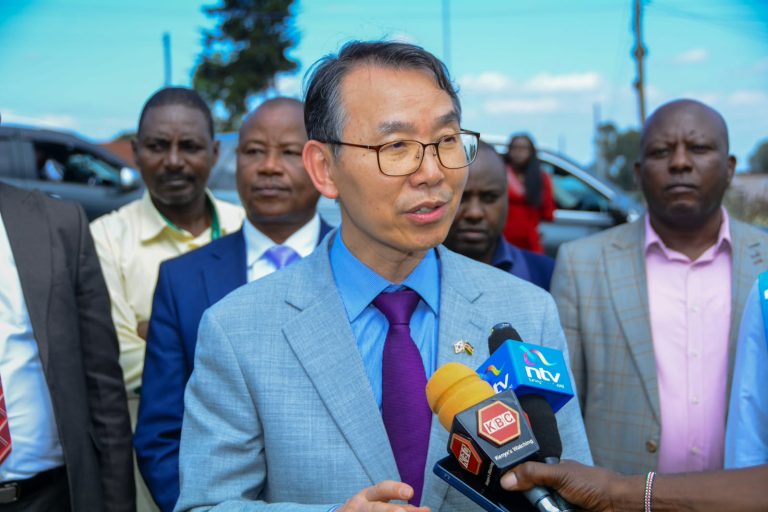
In picture, The Association for Strengthening Agriculture in East and Central Africa (ASARECA) and the Sustainable Development Goal Centre for Africa (SDG/A) workshop to create awareness of country based digital platforms that link producers to markets.
By Aoma Keziah,

The Association for Strengthening Agricultural Research in Eastern and Central Africa (ASARECA) and the Sustainable Development Goal Centre for Africa (SDGC/A) hosted a transformative workshop aimed at creating awareness of country-based digital platforms designed to link producers to markets.
The event, organized under the Comprehensive Africa Agriculture Development Programme ex-pillar IV (CAADP-XP4) and AIRTEA (Strengthening Agricultural Knowledge and Innovation Ecosystem for Inclusive Rural Transformation and Livelihoods in Eastern Africa) projects, highlighted how digital technologies can revolutionize smallholder farming systems in the region.
“Digital platforms play a critical role in enabling farmers to sell their produce at fair prices, access credit, and engage in value-added activities. By connecting producers to markets, these platforms provide essential market information and financial services, fostering improved household incomes, food security, and poverty reduction.” Said Dr. Joshua Okonya ASARECA
The workshop focused on raising awareness about available national and continental digital platforms, particularly those supporting innovation platform (IP) linkages across the region and continent. A hands-on session introduced stakeholders to these platforms, allowing them to experience their functionality and potential.
A key feature of the workshop was the policy dialogue targeting the potato value chain, which aimed to harmonize seed potato policies, regulations, and standards across East African Community (EAC) member states. The discussions addressed trade barriers and market opportunities by identifying ways to implement regional seed potato regulatory initiatives.
The major outputs from the workshop included: Identification of national and continental digital platforms for IP linkages, Increased visibility of CAADP-XP4 and AIRTEA projects among country-level partners, Documentation of ongoing national efforts on policy harmonization and regulations for quality seed potatoes, Generation of policy directions for implementing harmonized seed regulations and drafting and dissemination of a policy brief on the outcomes.
The engagement brought together diverse stakeholders involved in value chain development for key crops, including potatoes, dairy, fish, maize, cassava, avocado, and vegetables, across Kenya, Rwanda, and Uganda, Participants including National Agricultural Research Institute (NARI) staff, Ministry of Agriculture representatives, farmer organizations, private sector actors (including financial institutions), extension workers, digital platform owners, and agriculture experts.
By fostering collaboration within the national agricultural research and innovation ecosystem, the event underscored the importance of articulating technology demands, prioritizing research actions, and scaling innovations across value chains.
Through plenary discussions, group work, and hands-on activities, the workshop set the stage for AR4D institutions to play a leading role in advancing digital technologies for smallholder farming. The initiative demonstrated a clear path to achieving sustainable agricultural development, improving livelihoods, and addressing food security challenges in Eastern and Central Africa, marking a significant step toward aligning agricultural policies, enhancing market opportunities, and driving digital transformation across the region’s agricultural value chains.
Similar Posts by Aoma Keziah:
- Nationwide Youth Business Drive Enters Last Lap With New Nyota Trainings
- Green Light From Washington Sets G42 On Fast Track to Build Region’s Most Powerful AI Network
- Safina Eyes Kariobangi North Seat in Intensified Push Before Poll Day
- KEBS Opens Talks With Manufacturers On New Standards Levy Order 2025
- Kenya, Uganda And South Sudan Chart Way Forward On East Africa Rail Corridor
About the Author

 The Mt Kenya Times