The Mt Kenya Times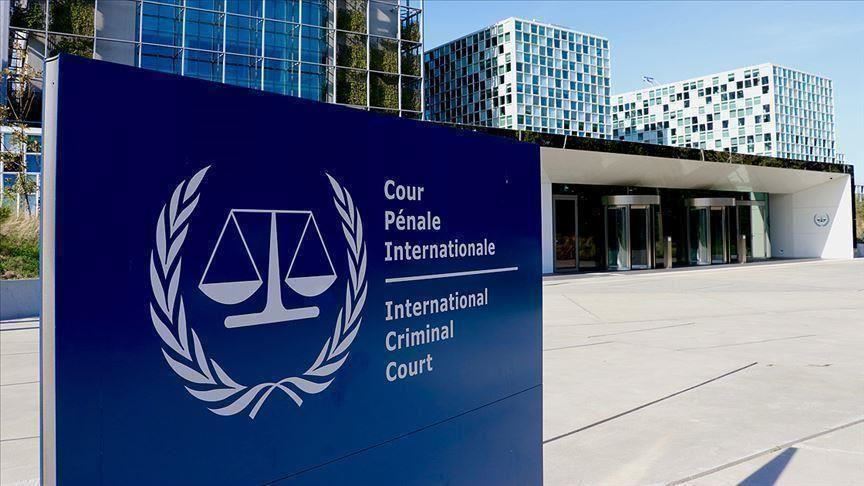
By: Joseph Mutua Ndonga
Worth Noting:
- Having been created by the Rome Statute, the ICC only intervenes if a member state fails to charge and prosecute the perpetrators of the violence.
- The ICC eyes would be particularly trained on those bearing the greatest responsibility.
- In our case, many faulted the prosecutor for targeting those who committed, if any, lesser crimes. He should have indicted Kibaki and Raila because these were the main culprits.
- Fast forward to last year’s general elections, Raila, who again was a main competitor, disputed the outcome.
- Again, he claimed he had won the election but Dr Ruto and his top confidantes ‘rigged him out in broad day light’.
In the aftermath of 2007 general election, Kenya witnessed the post- election violence that was rated as the worst since Kenya attained its full independence in 1964.
Hell broke lose after Raila Odinga, then ODM presidential flag bearer, rejected the final results that saw the incumbent President Mwai Kibaki being declared as the winner.
While claiming and insisting that he had won this election, Raila called on his supporters to come out and fight for truth and justice.
You have just elected me as your President. We must reclaim our victory.
Raila refused to heed calls to pursue the matter in court.
The judiciary is compromised and as such it cannot give us justice. It is packed by President’s henchmen and sycophants.
At the time, the country was being governed by the old constitution that granted the president a lot of powers.
This, perhaps, explains why criminal justice system seemed helpless and completely detached from the unfolding political crisis.
Our country was literally hustling into a full blown anarchy.
However, the international community which was closely watching and monitoring the happenings would not allow our country to go to dogs.
America and other powerful nations played a leading role of forcing the two protagonists-Kibaki and Raila-to cede their hardline stances and embrace peace and unity.
The mediation talks chaired by the former United Nations Secretary General the late Koffi Annan took two months before normalcy was restored.
At the time, the current President William Ruto was one of the negotiators on Raila’s side.
Notably, 1,333 had lost thier lives and properties worth billions of shillings destroyed in this violence.
Many Kenyans believed the violence could have been avoided if Kibaki and Raila heeded the calls to cede hardline positions and engage in one-on-one talk.
Pointedly, the International Criminal Court (ICC) took over Kenyan cases after Koffi Annan brokered the peace deal.
Why did the court watched and only responded after the atrocities had been committed?
It is simply because this is a court of last resort.
Having been created by the Rome Statute, the ICC only intervenes if a member state fails to charge and prosecute the perpetrators of the violence.
The ICC eyes would be particularly trained on those bearing the greatest responsibility.
In our case, many faulted the prosecutor for targeting those who committed, if any, lesser crimes. He should have indicted Kibaki and Raila because these were the main culprits.
Fast forward to last year’s general elections, Raila, who again was a main competitor, disputed the outcome.
Again, he claimed he had won the election but Dr Ruto and his top confidantes ‘rigged him out in broad day light’.
It was hard to believe this story. Why? Ruto had fallen out with the outgoing President Uhuru Kenyatta who was publicly supporting the candidature of Raila.
Therefore, the deep state and system fully was backing him.
Putting this aside, this time Raila once again agreed to pursue the matter in court.
He however suffered the same fate as in 2013 and 2017 when The Supreme Court of Kenya declined to grant him his prayers.
This time, the judges in unanimous decision ruled none of his prayers met the requisite threshold of the law and hence termed them as a hot air.
Consequently, they dismissed his case and upheld Ruto’s victory.
Raila had assured the country that he would respect the final verdict of the apex court.
He however changed the goal posts five months later. Did someone pushed him to change his mind? Did he opted to do this after he realized that President Ruto was not ready to share the government with him?
This unlike during the Kibaki and Uhuru presidencies when he managed to blackmail and arm-twists them and he had his way.
Recently, Raila kicked of his campaign of mass protests. Contrary to his promise, the demonstrations always turned chaotic, bloody and destructive.
This violated Article 37 of the Constitution which emphasized that they must be peaceful and the protestors are unarmed.
One thing is however clear. The pockets of violence witnessed were low-keyed and hence not reached the point of drawing the attention and intervention of ICC.
For now, the buck stops with the Kenyan criminal justice system.
This time, they must wake up and deal with the situation before it gets out of control.
The armed criminals engaging in acts of destroying properties and shedding the blood of innocent Kenyans must face the full force of law.
If this happen, Kenya will never again become a laughing stock of the world and be rated as a country in a brink of precipice.
This is because the ICC will not have any justification to engage in activities meant to embarrass and cast Kenya’s wheels of justice as dysfunctional, weak and unreliable.
Joseph Mutua Ndonga is a writer and political analyst based in Nairobi
Similar Posts by The Mt Kenya Times:
- Mt Kenya Times ePAPER October 24-25, 2026
- Muturi calls on IEBC to keep election technology tender clean and on schedule
- Ruto meets UAE minister in push to deepen trade ties
- Gideon Moi breaks silence on Ruto fallout, cites broken promises
- The doctor who refused to abandon a sick Uganda
About the Author