DOMESTICATION OF INTERNATIONAL HUMAN RIGHTS TREATIES: A focus on CEDAW.
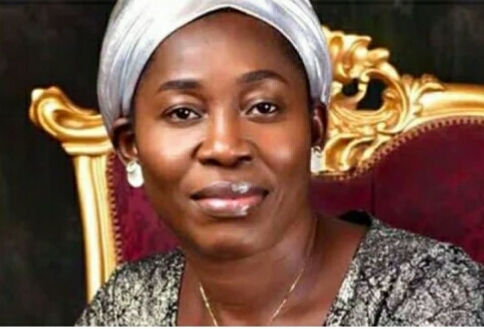
International community mourns the death of the Nigerian gospel singer, Osinachi Nwachukwua killed by husband

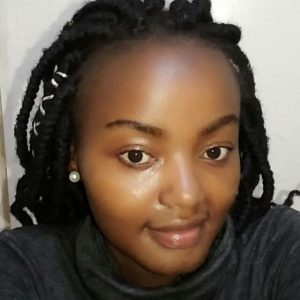
By: Mwanika Gakii Juliet
Worth Noting:
- After Osinachi Nwachukwu death, her friends came out to describe the various incidents of domestic abuses she faced in her marriage including physical, emotional and, financial abuses but she was afraid to leave.
- Are we among those who say “ watu wanaojifunika blanketi moja hachana nao” or We can be the hearers and eyes of domestic and SGBV in our communities? Whichever the case we can still be our brothers and sisters keepers. A lot of people basically women have found themselves in helpless situations, and they don’t know how to respond. What should they do? And who do they go to?
- A lot of them don’t know nor do they understand how the criminal justice system sector operates instead they die in silence in fear of being judge by the patriarchal system founded by our culture, religion and the society.
Most often when one speaks of human rights, what comes first into the minds of most people is the right to expression, freedom of movement, right to own property, right to life and at such a time that we are ended to the electioneering period, freedom to exercise our voting rights. In most African Countries it is soo unfortunate that most African States have ratified these international human right treaties but human rights violations continue to be a major topic of discussion worldwide. To add a nail on an injury most of the general public do not know of the existence of such international treaties nor do they know of their provisions. Remember information is power.
It is the duty of the state as the signatory, human rights and gender activists/advocates, media and the academia to enlighten the general public about such international, regional and national provisions. In this article, the author is going to focus on Convention on Elimination of All Form of Discrimination Against Women in Kenya. CEDAW is an international convention that was adopted by the UNSC on 18th Dec 1979 and in 1984 Kenya became its signatory. It sets out the bill of rights for women globally and also, offers practical way that signatory states would look out issues that affect women and as well as find positive solutions. In many countries Kenya included, women face obstacles due to religious and cultural practices as a result of the beliefs that come along with them. Signatory states have given their commitment to respect, protect and promote the role of women in their respective states. These implies that discrimination must be eliminated both in De jure (theoretically in policy documents) and in De facto (in reality in our communities/ by fact). The question is are these international instruments being implemented or they just exist in vacuum?
The Kenyan government in its bid to abide by it international commitments has domesticated some of these international human rights instruments via the constitution of Kenya Article 21(4) Which states that “the state shall enact and implement legislation to fulfill its international obligations in respect of human rights and fundamental freedoms. This is seen through the formation of National Gender and Equality commission which deals with the rights of the elderly, minorities, youths, children and women. It is also important to bear in mind that the government has established gender crime desks through the counties in quite a number of police stations across various counties. For instance, in Nairobi there exist one at KNH, in Makueni there is Makueni County Policare and in Nakuru there is Kaptembwe Police station. Also, there has been efforts by non-state actors such as USIKIMYE (0718158400)/ usikimye@gmail.com, CLEANSTART led by Teresa Njoroge, RESCUE DADA CENTER among others who have shown their tremendous contributions in lobbying for policies aimed at eliminating of all forms of discrimation against women as well as providing support services to survivors and victims’ which includes counselling, legal aid, shelter, skills acquisition and financial empowerment.
Drawing from the trending issue on the killing of the Nigerian gospel singer Osinachi Nwachukwua by husband it is evident that gender and domestic based violenceis deep rooted and happens every day in Africa. This is not about people saying that it does not happen in where they come from. We cannot say just because it happened in Nigeria it does not happen to our women and more specifically ‘prominent’ women in Kenya. Gender and domestic based violence is not a respecter of persons, it can happen to anyone. Learned or not, male or female. Gone are the days when gender and domestic based violence was referred to as ‘women’s noise’, men are also victims. You never know you could be the next victim. Therefore, it is about people accepting that this is a problem for one to solve a problem. We must admit there is something wrong, and once we accept there is something wrong then the next step is how we handle it.
After Osinachi Nwachukwu death, her friends came out to describe the various incidents of domestic abuses she faced in her marriage including physical, emotional and, financial abuses but she was afraid to leave. Are we among those who say “ watu wanaojifunika blanketi moja hachana nao” or We can be the hearers and eyes of domestic and SGBV in our communities? Whichever the case we can still be our brothers and sisters keepers. A lot of people basically women have found themselves in helpless situations, and they don’t know how to respond. What should they do? And who do they go to? A lot of them don’t know nor do they understand how the criminal justice system sector operates instead they die in silence in fear of being judge by the patriarchal system founded by our culture, religion and the society.
Churches preach every day that God hates divorce yet one out of three women in the congregation is at a potential risk of being added to the statistics of the victims. We keep preaching forgiveness and war room prayers yet victims are dying and living in fear. We need to rise up and take responsibility to end all forms of domestic and sexual gender based violence. We should no longer sit in silence while our girls, sisters, mothers sit in silence while they are being abused and we lack the capacity to change their story.
We should not only wait for the state actors and other established non-state actors to act we can offer our HELP (H- Help without judgment, E- Ensure hospital checkup and report, L- Liaise with authorities/police/existing help desks, P- Pressure leaders to prevention policies.) as well as provide support to victims by way of referrals for services in organizations such as sexual assault referral centers, the police, human rights organizations, and the relevant government ministries as named above.
When we stop the blame, we encourage survivors to speak out about their victimization; seek help and justice. Every time a victim speaks up about her experience of domestic and SGBV and she is not believed domestic and SGBV culture flourishes. Every time you hear a survivor’s story; LISTEN, BELIEVE and, SUPPORT. Sometimes to the victims even to live is an act of courage.
Author;
Mwanika Gakii Juliet – A Master’s student at Kenyatta University pursuing International Relations and Diplomacy, specializing on International treaties in relation to Gender.
Similar Posts by The Mt Kenya Times:
- Mt Kenya Times ePAPER October 24-25, 2026
- Muturi calls on IEBC to keep election technology tender clean and on schedule
- Ruto meets UAE minister in push to deepen trade ties
- Gideon Moi breaks silence on Ruto fallout, cites broken promises
- The doctor who refused to abandon a sick Uganda
About the Author