Education On Hold: Students Bear The Brunt Of The Ongoing Lecturer’s Strike


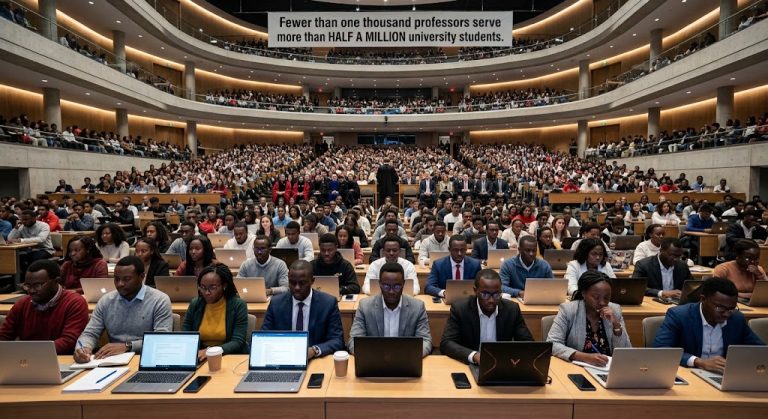
Across the country, public universities are in the grip of an ongoing lecturers’ strike, leaving thousands of students stranded with uncertain academic futures. While the reasons behind the strike are multi-faceted, it is students who are feeling the full weight of its consequences. Classrooms are empty, campuses are quieter than usual, and students are left grappling with disrupted learning and growing uncertainty.
The lecturers’ strike, a tool used by academic staff to press for better pay and working conditions, has become a recurrent problem in many public universities. As negotiations between the government and university unions break down, students find themselves at the receiving end of an education system in crisis. While students understand the reasons for the strike, the toll it takes on their academic and personal lives is hard to ignore.
The strike has caused significant disruption in the learning process. In affected universities, students have been without lectures for weeks, with no clear indication of when normal academic activities will resume. What began as a brief interruption has now stretched into a prolonged period of educational stagnation, with no clear plan for making up lost time.
While the strike is primarily an academic issue, its financial impact cannot be overlooked. For many students, the extended period without classes means additional costs that they were not budgeting for. Tuition fees, accommodation, and other related expenses continue to accrue, but with no guarantee of academic progress. In some cases, students find themselves returning home, further complicating their academic plans. With no clear indication of when the strike will end, the uncertainty adds to the growing financial burden, making it harder for families to manage the cost of education. Moreover, students on government-sponsored loans or scholarships may face complications, as delays in academic progression could impact their eligibility or payment schedules. With no clear resolution in sight, the ripple effects of the strike stretch far beyond the lecture halls, touching students’ financial stability and future prospects.
The ongoing strike isn’t just an academic or financial issue, it’s an emotional one as well. For students, the anxiety surrounding an extended strike is overwhelming. As deadlines are postponed, and the future becomes increasingly uncertain, mental health issues such as stress, depression, and anxiety have seen a noticeable rise. While the strike is fundamentally a dispute between lecturers and the government, it is the students who bear the brunt of the consequences. Many are left feeling powerless in the face of a system that seems indifferent to their needs. For some, the emotional toll of waiting in limbo, with no end in sight, is beginning to outweigh the frustration of the academic disruption itself.
As the strike continues, questions loom about when a resolution will come and what the long-term effects will be for students. Some have called for a greater investment in education, both in terms of funding and fair compensation for university staff, while others advocate for more dialogue between the government and academic unions. However, until a solution is reached, students remain at the mercy of a system that has left them behind.
In the end, the strike serves as a stark reminder of the fragile nature of public education. While the lecturers’ grievances are legitimate, the students who rely on this system for their education should not be the ones to pay the price. As universities and the government work toward a resolution, it is the students who must carry the burden, with their academic futures hanging in the balance. As this crisis unfolds, one thing is clear: the longer the strike lasts, the more profound its impact will be on the students who are caught in the middle. They are waiting for the day when education will resume, but until then, their futures remain on hold.
Sherine Emelda and Sally Anyango (media students Rongo University)
Similar Posts by The Mt Kenya Times:
- After Madrid chaos derby: Mourinho pulls out the printer
- Smart classroom revolution hits Nyeri schools
- Retirement is not a prison sentence: The Uhuru Kenyatta case and the defence of citizenship
- Taufiq Rafat: Voice of Pakistani English Literature
- Nomthandazo Mgcina: A young voice for education, sisterhood and youth empowerment
About the Author