food security

By: Dennis Wendo
Worth Noting:
- The shopping baskets for most Kenyans have become significantly smaller for the past 2 years. Between June 2020 and June 2021, Kenyan consumers paid 8% more for food and beverages, 14% more for transport, and 4% more for water, electricity and housing, according to data from the Kenya National Bureau of Statistics (KNBS). Inflation hit a 23-month high (6.91%) in September 2021.
- The annual inflation rate in Kenya accelerated to a three-month high of 5.56% in March of 2022, from 5.08% in the previous month. Main upward pressure is from prices of food & non-alcoholic beverages (9.92% vs 8.69%), namely cooking oil (35.15%) and wheat flour (17.68%), amid the effects of the war in Ukraine. Inflation has also accelerated for furnishings (6.44% vs 5.41%), housing and utilities (4.91% vs 4.79%), on account of prices of gas (38.18%). On a monthly basis, consumer prices inched up 0.85%, following a 0.4% rise in February 2022.
The public resentment on rocketing food prices and the high cost of living needs empirical intervention measures by the government of the day.
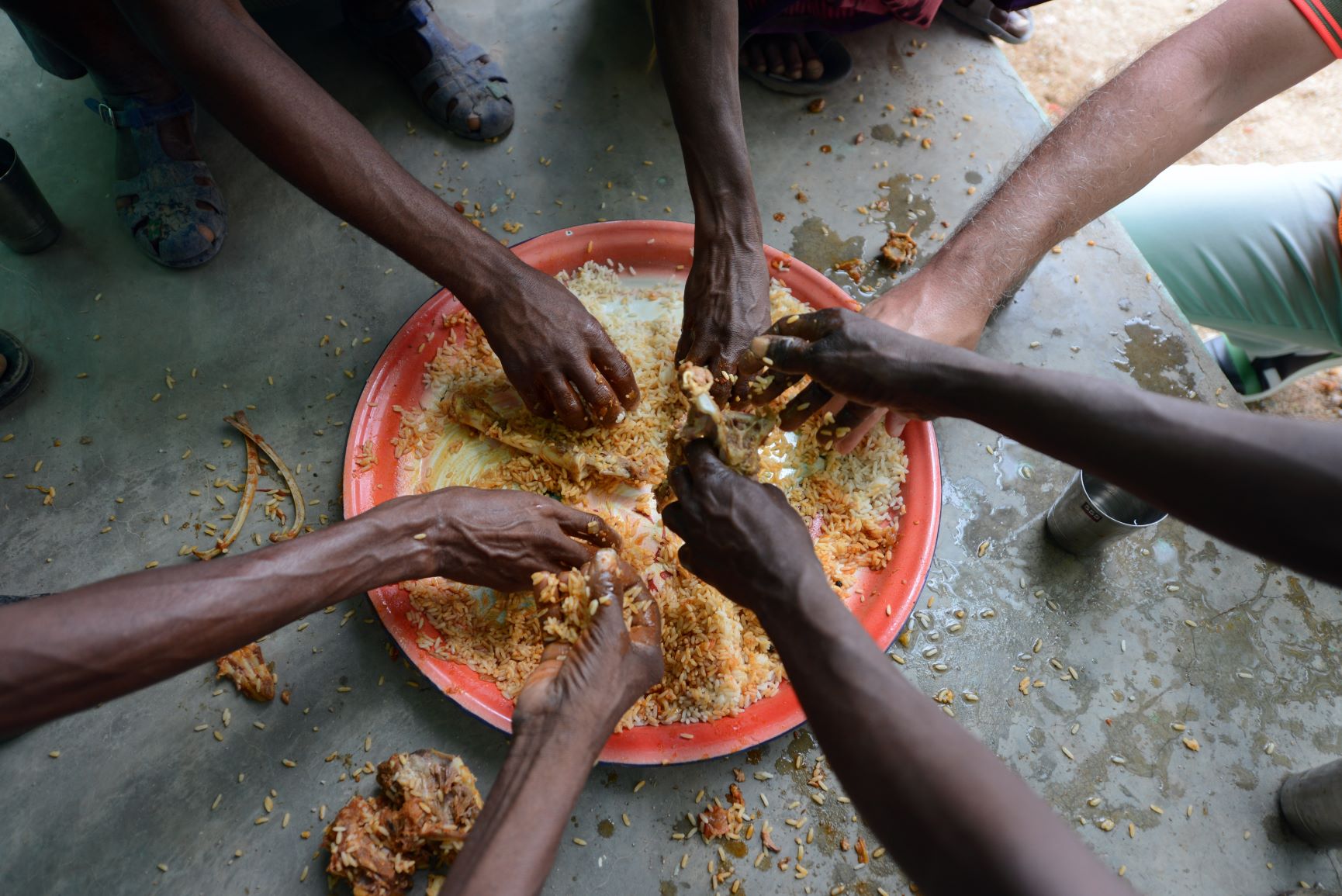
The delayed rains across many parts of the country have led to crop failures, drought and widespread food shortages. People are paying the devastating price for a climate crisis they have done nothing to create. Families are on the verge of starvation and malnutrition, with many facing the impossible choice between food, water and medicine, daily. The purchasing power of urban poor and rural consumers is on a firm shrink. Hunger, massive loss of livestock and human deaths continues to be experienced in the counties of Baringo, Turkana, Isiolo, Garissa, Wajir, Kilifi, Marsabit, Tana River, Samburu, Mandera, Kitui and Makueni.
Many times general elections are usually chaperoned by declining economic activities and reduced investments as businesses and investors adopt a wait and see attitude in case of any election-related violence or unforeseen changes in government.
Election years do not usher in major policy reforms, as legislators are more focused on elections than on policy changes. This means Kenyans must bear the status quo until at least the August 2022 elections get over. With the high cost of living being experienced, prospects of a rapid economic recovery for Kenya and a better quality of life remain grim. Mental pressures at family unit levels with cases of suicides, femicides and homicides are on rise as a result of the inability to meet the excess social-economic basic demands.
The shopping baskets for most Kenyans have become significantly smaller for the past 2 years. Between June 2020 and June 2021, Kenyan consumers paid 8% more for food and beverages, 14% more for transport, and 4% more for water, electricity and housing, according to data from the Kenya National Bureau of Statistics (KNBS). Inflation hit a 23-month high (6.91%) in September 2021.
The annual inflation rate in Kenya accelerated to a three-month high of 5.56% in March of 2022, from 5.08% in the previous month. Main upward pressure is from prices of food & non-alcoholic beverages (9.92% vs 8.69%), namely cooking oil (35.15%) and wheat flour (17.68%), amid the effects of the war in Ukraine. Inflation has also accelerated for furnishings (6.44% vs 5.41%), housing and utilities (4.91% vs 4.79%), on account of prices of gas (38.18%). On a monthly basis, consumer prices inched up 0.85%, following a 0.4% rise in February 2022.
The cost of living in Kenya has been increasing remarkably for the past 10 years. The prices of basic commodities, such as maize flour, sugar, cooking gas, and petrol, have increased by more than 46% since 2013, according to KNBS data. Surveys show that the prices of most commodities, including bread, tomatoes, rice, potatoes, and meat, have been rising by between 16% and 53% since 2011.
There exists a difference between living wage and minimum wage. Minimum wage is an amount set by law, whereas the living wage is determined by average costs to live; housing, medical, food, and transport costs among others. The minimum wage concept has failed; it has not kept pace with the rising cost of living, causing many Kenyans to live below the poverty levels.
The rising food prices have an adverse effect on the poor and agricultural development as a whole. Majority of Kenyans largely rely on agriculture for livelihood sustainability. Drastically the Government needs to step in authoritatively and double its efforts in cushioning Kenyans against the sky rocketing prices on food, farm inputs and fuel.
The Increasing inflation is as a result of a variety of factors, including policy failures that have led to a significant rise in the cost of living. Additional and high rates of taxation, astronomical national debt, and endemic corruption have placed punitive financial strains on ordinary Kenyans. The current regime has not done enough to alleviate the burden.
The government’s borrowing spree has added an additional load on Kenyans. By the end of 2021, Kenya’s debt stood at nearly 70% of GDP, up from 50% at the end of 2015. China is Kenya’s largest bilateral creditor, accounting for 67% of Kenya’s bilateral loans mostly for Infrastructure projects, up from 13% in 2011. In 2021, multilateral debt accounted for 41% of external loans, while bilateral debt accounted for 28%.
Out of every dollar of taxpayers’ money, 57 cents go towards servicing the country’s burgeoning debt, according to data from the Central Bank of Kenya. Kenya’s public debt rose to Sh7.7 trillion about $70 billion last year – a 13-fold increase since 2000.
Unfortunately, much of the government revenue raised to service debts is lost to corruption, making the cost of doing business and living very high.
Job losses in the formal and informal sectors and business closures have increased the number of people with no or reduced income. By the end of 2020, Kenya had gained an additional 2 million new poor, according to the World Bank. This is significant because small and medium-sized businesses constitute 98% of all businesses in Kenya. And they create 30% of jobs annually and contribute nearly 3% of GDP.
The government of the day should focus at making Kenyans’ lives a little easier by putting in place policies and intervention measures to cushion the population against food insecurity
Measures which include; provision of emergency food assistance; adoption of food safety nets; food subsidies; cash transfer; food for work and food for training; school feeding programmes; adjustments in trade and tax policy measures; enhancement of agricultural production through agricultural input subsidies and Increased administered prices for producers should be strengthened in the short-term approach.
Long term mitigative measures that includes; investment in agricultural research; increased investment in key agricultural services; investment in local infrastructure; investment in rural financial services, markets and linkages; investment in teleprocessing; investment in food distribution systems and macro-economic policy management should be in consideration and in place devoid of politicization.
Key stakeholders in the food sector should continue to analyse food prices and related issues and come up with strategies for early warning to avert the negative effects of high food prices in the future.
The relevant authorities need to put in place mechanisms to respond to early warning of disasters such droughts and floods. There is a need to increase agricultural productivity in the country. This requires the government to expedite the implementation processes for the various policies that have been formulated.
KARI, the main agricultural research Institution, adopted a value chain analysis framework. This is critical and bound to help identify who does what at what point of the value chain and who is likely to benefit or to bear the costs of implementing the proposed interventions.
The identification of bottlenecks and addressing the same along the value chain will improve efficiency and increase output in the value chain which may result in stabilizing or reducing the food price crisis in Kenya. This calls for various stakeholders engaged in agriculture and related activities to work together to enhance better results.
Dennis Wendo
Founder- Integrated Development Network
Similar Posts by The Mt Kenya Times:
- Mt Kenya Times ePAPER October 23, 2026
- Ruto’s parting COMESA call: Remove the barriers, honour the commitments
- Direct hospital access to KEMSA cuts drug delays, says PS
- Africa can’t wait: Continent seeks $1 trillion for climate adaptation
- Ruto passes the baton as Africa’s trade bloc faces a fragmenting world
About the Author