The Mt Kenya Times
By Tonny O. Blair
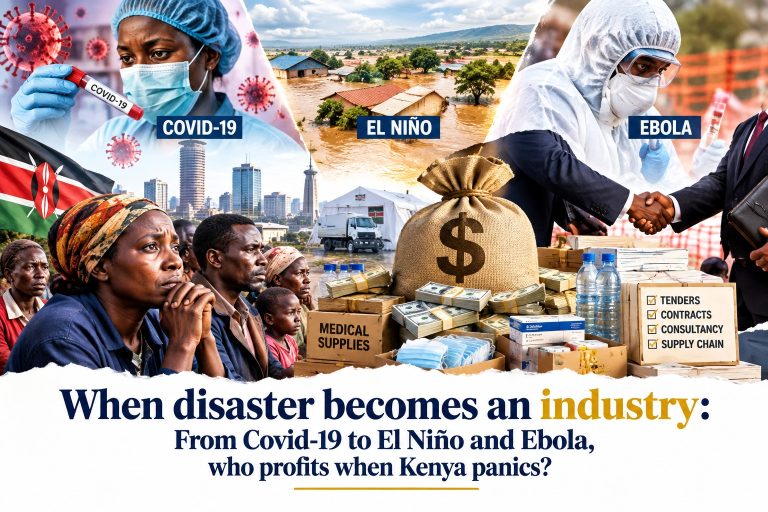
According to weather focus the predictions for El-nino was, it may last up to February next year that’s about 3 – 4 months. For the few days, lives have been lost, property destroyed, infrastructure damaged; in most affected areas tarmac roads are swept away. The concern remains, were the roads constructed within the required quality? Or rather the tar was just spread to sugar coat and blindfold citizens for political gains?
Some regions ignored the call. They left their bridges and culverts unopened and unclean making innocent people to suffer. Therefore, the ongoing rains has truly revealed how the leaders we elected are of low and questionable integrity. The notion of “we must see, is when we can believe it exists or it’s harmful” should be something of the past, with the level of technological advancements and modernazation that shouldn’t be the case.
Slow and insufficient action on mitigation and adaptation is increasing translating into the soft and hard limits to adaptations, some of which may have already be reached. One way in which loss and damage from climate change arise is when efforts to avoid or minimize climate impacts through mitigation and adaptation fail. This raises concerns about ability of our leaders to anticipate and manage increasingly complex climate risks.
Although some notable adaptation progress has been made, additional adaptation gaps remain when taking into full account the full complexity of climate risks and the potential for maladaptation. In Kenya, the adverse and cascading impacts of disasters have eroded livelihoods and coping capacities. Flooding has resulted in greater loss of lives and damage of property than other natural hazards.
Responding to the cascading risks and impacts of the climate crisis requires a transdisciplinary, cross-scale and cross-sector approach. Understanding, identifying and attributing cascading effects to specific climate shocks and stressors is key to developing ways to build adaptive capacity and resilience. However, it’s very likely that the cost of adaptation will be much higher than the usual anticipated.
Therefore, the government should ensure that the risk prone areas those close to dams, river, and large water bodies to ensure that the safety of all citizens are cared for. Moreover, we should promote green urban development, this will not exposed most of the buildings to strong winds hence leading to their destructions since the presence of trees are able to slow down wind strong winds normally experienced in most areas.
Furthermore, the government should prioritize bodies like Kenya Red Cross and others which plays the same roles, at least to ensure in cases of emergencies there is no any inconveniences experienced in their operations. The loss of life of a single individual should mean something to us, not just taken normal as mostly observed. In line with the same, the bodies that are responsible for emergencies purpose; it’s “my prayer” that you operate with utmost integrity.
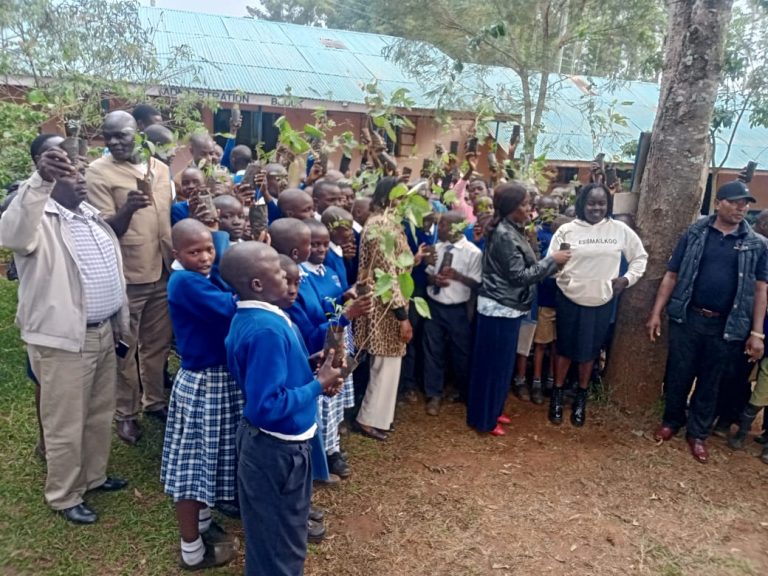
Finally, prevention is better than cure. Let’s protect nature, say “NO” to environmental injustices, and enhance sustainable environmental conservation so as to bring to an end to this unnecessary and untimely deaths. All for one, one for all.
Similar Posts by The Mt Kenya Times:
- Mt Kenya Times ePAPER October 26, 2026
- Sakaja challenges Kamukunji police over Eastleigh suspect bail
- Muturi demands binding livestreaming rules for 2027 polls to prevent repeat of 2022 chaos
- NTSA calls for road safety to be declared a national disaster after 24 die in Mtito Andei crash
- Ruku turns on Waiguru over deputy president ambitions: ‘That seat is not being contested for’
About the Author