Empowering Youths Through Global Media And Information Literacy Week: A Step Towards Combatting Misinformation

By Perpetual John
In an era where digital technology reigns supreme, young people are at the forefront of media consumption. As avid users of social media, they engage with vast amounts of information daily—much of which is user-generated and unverified. The challenge for youths, therefore, is not just accessing information but discerning what is credible and what is misleading, manipulated, or outright false.
Click here to connect with us on WhatsApp
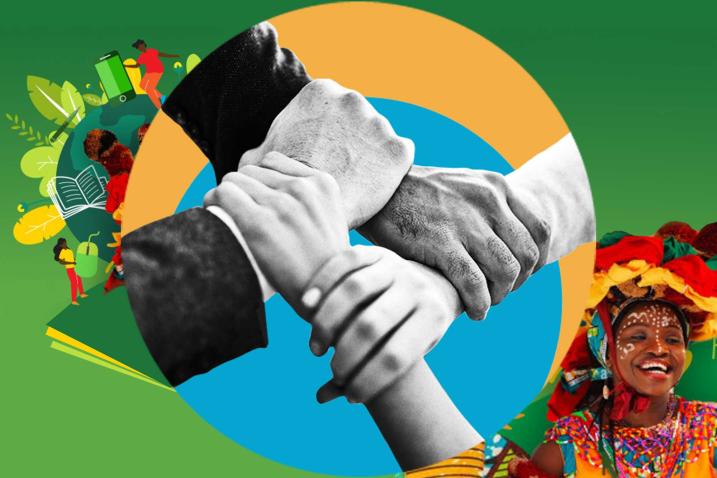
This is where the Global Media and Information Literacy (MIL) Week comes into play. An initiative spearheaded by UNESCO and partners worldwide, the annual event aims to promote media and information literacy as a way to empower individuals to navigate the digital landscape responsibly. With this year’s Global MIL Week, young people have a unique opportunity to learn, understand, and apply critical skills needed to identify credible information sources and avoid falling prey to misinformation and Misinformation—false or inaccurate information spread unintentionally—and disinformation—deliberate falsehoods shared to mislead—are rampant on social media platforms. This digital age has given rise to “fake news,” where fabricated stories often spread faster than factual news due to their sensationalist nature. For youths, who are often targeted with viral content, distinguishing between facts and falsehoods can be challenging. Moreover, algorithms used by social media platforms tend to show content similar to what a user has previously interacted with, potentially creating echo chambers that reinforce false beliefs.
The consequences of misinformation can be severe, leading to misguided behaviors, divisive social tensions, and even public health crises, as seen during the COVID-19 pandemic when false claims about treatments and vaccines spread widely. Given these dangers, it is crucial to equip young people with the skills to discern reliable information and engage critically with media content.
Global MIL Week addresses these concerns by fostering media and information literacy education. The event’s core message is to promote the competencies necessary to seek, critically evaluate, and create content. This year’s theme underscores the importance of empowering individuals, particularly youths, to become active participants in the information environment rather than passive consumers.
Identify Credible Sources: Youths are taught to assess the reliability of sources by checking the author’s credentials, the publication’s reputation, and cross-referencing information with other credible sources.Evaluate Content for Bias and Accuracy: They learn how to recognize bias, propaganda, and sensationalism in media content. Understanding the motives behind different types of content helps them to filter out manipulative or agenda-driven information.
Combat Digital Manipulation: With the increasing use of deepfake technology and edited videos, youths are educated on how to spot digitally altered content and avoid being misled by such material.Engage in Responsible Sharing: By understanding the role of information consumers in the spread of misinformation, youths are encouraged to fact-check content before sharing it and avoid spreading unverified claims.
Media and information literacy is not just about immediate solutions to misinformation. It also builds a foundation for lifelong learning and critical thinking skills. When youths are equipped with the right tools, they can make informed decisions that affect their personal lives, communities, and even broader societal issues. Being media-literate enables them to participate meaningfully in democratic processes, as they can discern truthful political messaging from deceptive rhetoric.
Moreover, the skills gained from MIL extend beyond information consumption; they can enhance academic performance, career development, and social engagement. In an age where employers value critical thinking, problem-solving, and digital communication, media literacy becomes a vital asset.
To maximize the impact of Global MIL Week, support from educational institutions, governments, and tech companies is essential. Schools can incorporate MIL into their curricula, making it a part of formal education. Governments can support policies that promote media literacy initiatives and encourage responsible journalism. Meanwhile, social media platforms can take a proactive stance by integrating media literacy tools into their interfaces, offering users guidance on evaluating content .
As the world becomes increasingly digital, youths will continue to be the primary consumers of online content. The Global Media and Information Literacy Week provides a much-needed platform to address the challenges posed by misinformation and disinformation. By equipping young people with the skills to critically analyze information, the event helps to create a more informed and resilient society.
For young people, learning to differentiate between accurate information and fake news is not just a skill—it’s a necessity. The path to a misinformation-free future depends on the collective effort of educators, policymakers, media professionals, and social media companies to promote media and information literacy. The Global MIL Week represents a step in the right direction, empowering youths to navigate the complex media landscape responsibly, ultimately leading to a better-informed global community.
Similar Posts by The Mt Kenya Times:
- Mt Kenya Times ePAPER September 24, 2026
- The kingmaker’s last move: Uhuru’s 2027 gambit
- Kalonzo warns IEBC over 2027 poll
- Kenya leads Africa’s clean cooking push with $600M investment drive
- Kenya takes its case to the world: Ruto at the UN
About the Author