EXCLUSIVE: High street shopkeepers under siege from criminals in this violent country:
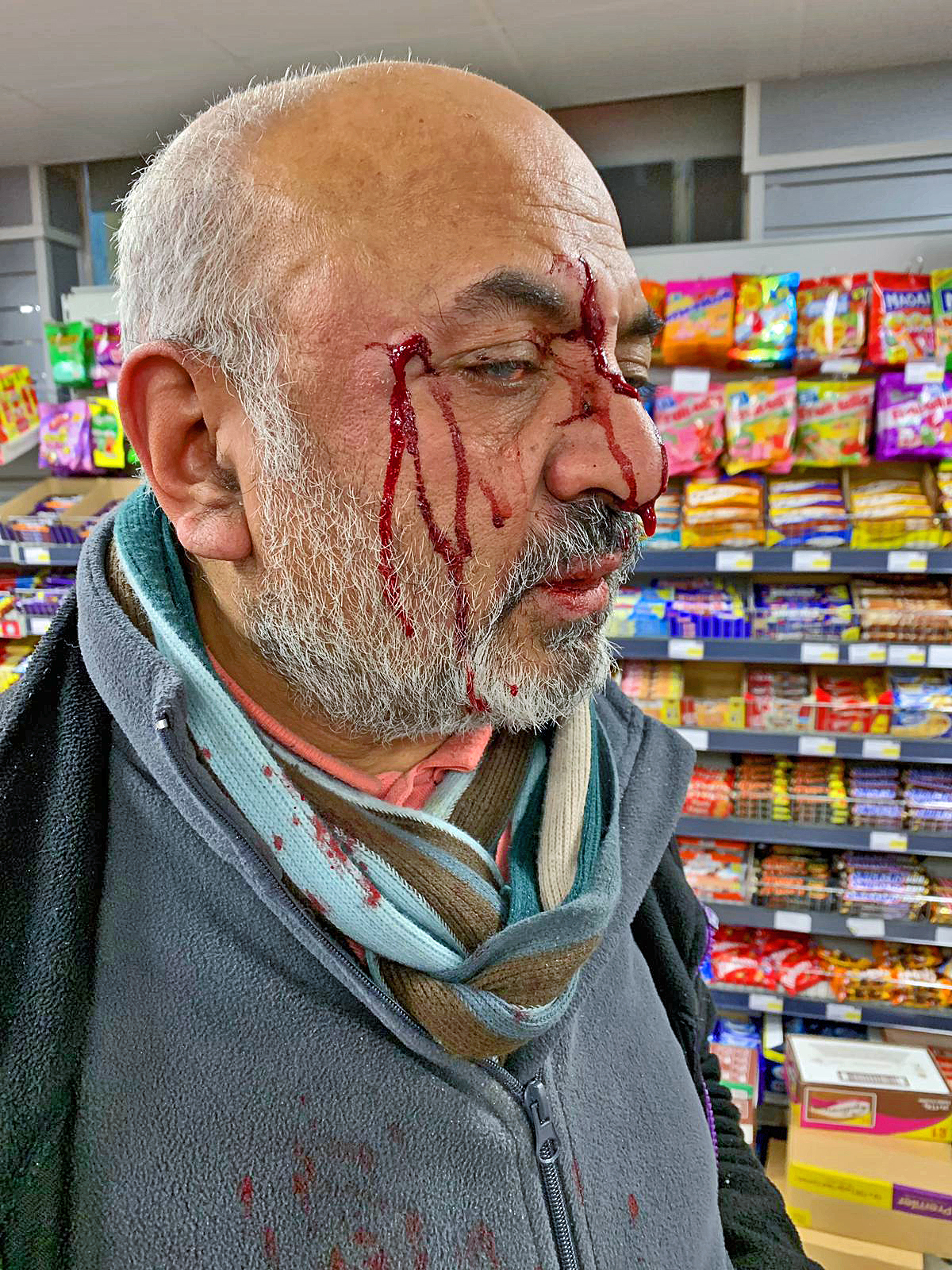
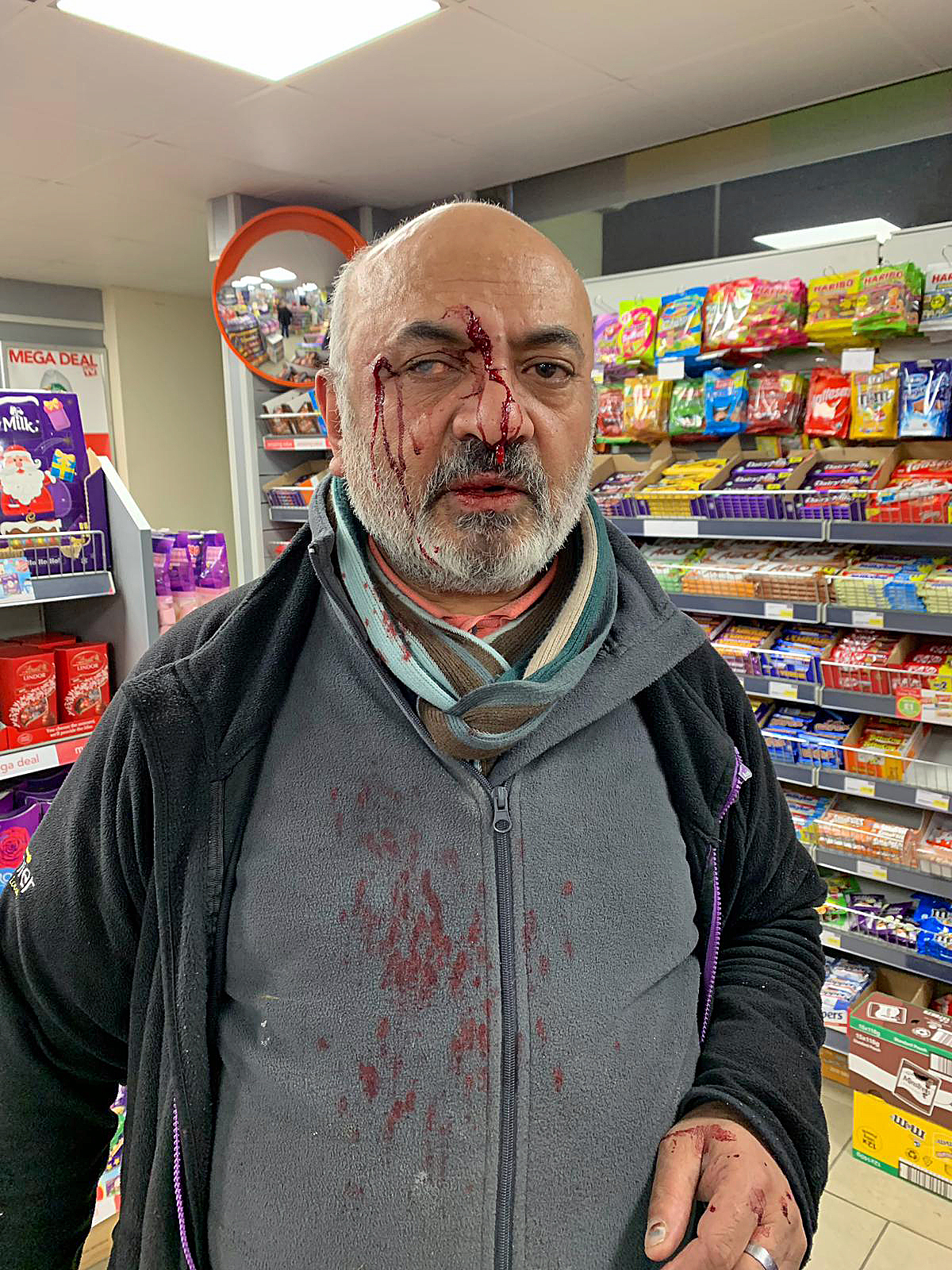
Jimmy Morar, diaspora shopkeeper moments after the vicious attack in his store in Liverpool, UK
BATTERED, BRUISED, BULLIED, BRUTALISED BRIGADE OF BRITAIN’S BUSINESS HEROS ON THE BRINK DEMAND JUSTICE
By SHAMLAL PURI in London
Senior Editor – UK and Associate Publisher
On a blustery British winter day in February, popular shopkeeper
Gurmail Singh, 63, opened the doors of his corner shop in Huddersfield, Yorkshire. Hours later, he was dead.
A gang of teenagers attacked him. It was thought they got away with a big haul. But they stole only a handful of sweets, some cash and cigarettes.
Gurmail Singh’s death highlights the dangers of running corner shops in the UK. It also throws into focus the future of the community of shopkeepers who have invested their life savings and sacrificed their lives in serving the communities only to lose out to petty criminals, thugs and gangsters.
What are corner shops or convenience stores?
A convenience store is generally a small, local retailer which sells a limited selection of everyday staples, including snacks, baked goods, dairy products, shelf-stable food products, and drinks. Sometimes known as corner shops in the UK, most convenience stores are easily accessible and have extended opening hours to cater to shoppers’ needs. Such stores may also be a part of petrol stations, where consumers can buy essentials while refuelling their vehicles. Along with their local counterparts, many well-known supermarket retailers also operate convenience stores across the UK.

In the United Kingdom, there were 48,590 convenience stores in 2023 compared with 51,524 in 2015, according to Statista.
Industry specialists believe the number could even further reduce to as low as 30,000 in the next two years as desperate shopkeepers line up to sell or shut down because of soaring crime against them. Others are struggling for survival.
Some diaspora shopkeepers put in as many as 105 hours a week to run their shops compared to around 57 by local British shopkeepers who don’t bother to open beyond regular hours.
Like a cat with nine lives, the traditional corner shop has survived the turbulence caused by inflation, the cost of living crisis, and people’s inability to buy daily food requirements and instead depend on food banks to feed their families.
Still, they keep their shops open all hours of the day, well into the night, to serve their local community and live a perilous existence. There was a time when, even at closing time, a customer walked in for a litre of milk, and the Asian shopkeeper would pull up the shutters and serve his customers with a smile, then close for the night.
Britain is a violent country these days.
The crime rate is spiralling, and brutal attacks against Britain’s shopkeepers continue to increase, with the Police almost putting up their hands as if to admit they cannot do any more.
Shockingly, the British law is lax, but now shopkeepers demand protection.
The latest Association of Convenience Stores (ACS) annual crime report shows there were 1.1 million incidents of shop thefts in 2023 alone, causing a loss of more than £125 million. This is only 16% of retail crime retailers or shopkeepers report.
Figures show that 44% of the crimes against shopkeepers involve knife attacks, 55% other weapons such as axes, hammers or syringes and 1% firearms because the UK does not allow the public to own guns.
Add a new dimension of crime: cybercrime, where shopkeepers lose huge sums to hackers, phishing and ransomware.
A further 1.2 million incidents of abuse and violence on shop owners go unreported because they have no confidence in a follow-up investigation, perceived lack of interest from the Police, the bureaucracy and the time-consuming process of filing a report to the Police.
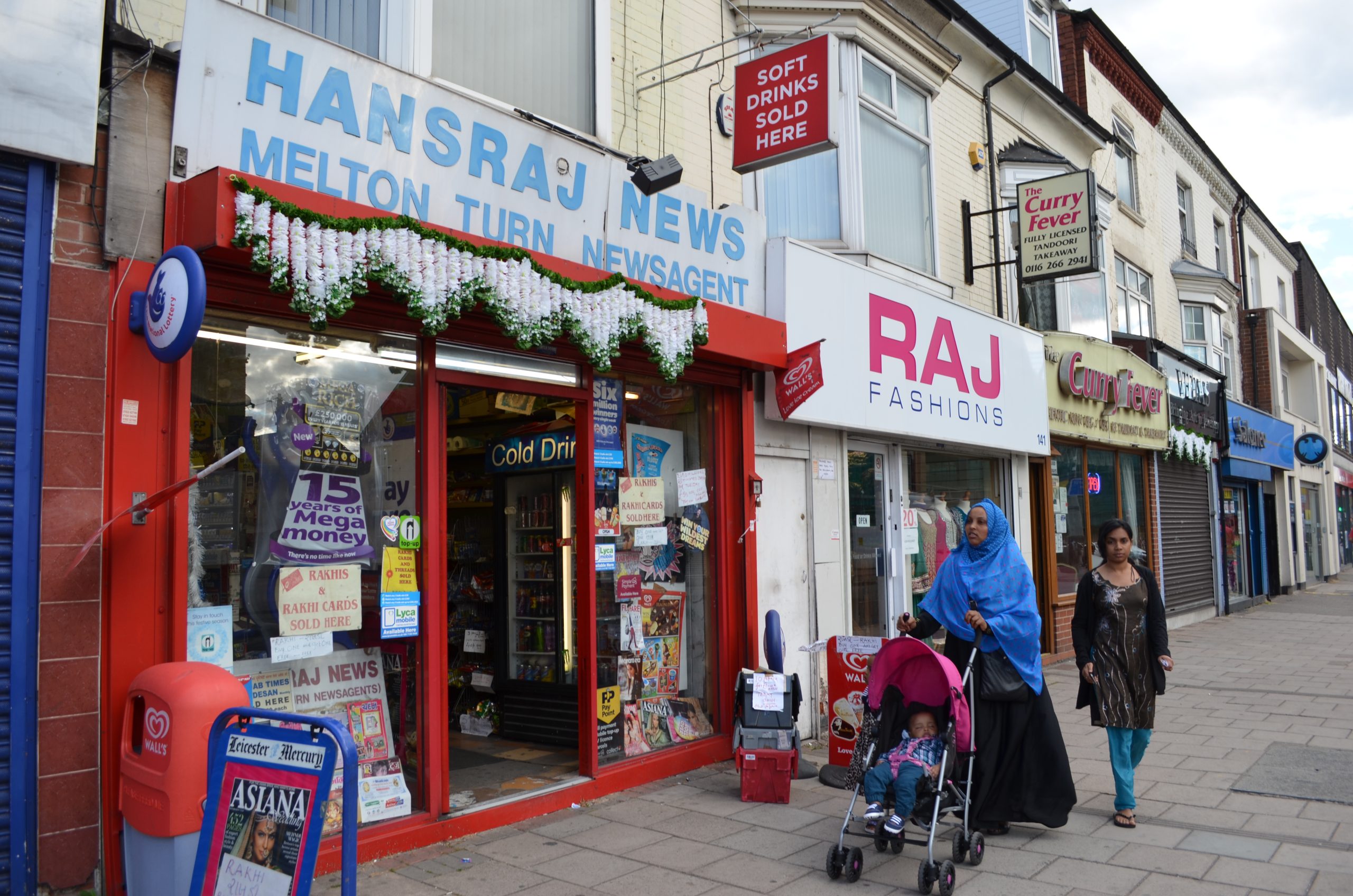
Shop owners in Britain are demanding new safety laws to protect them from violent customers. The loss of unreported incidents is not yet measured in monetary terms, but the total annual loss to the industry may well hit over £250 million.
Among the stolen items are meat, confectionary and alcohol.
“We have seen the prevalence of violence towards shopworkers fall from the unprecedented levels seen during the pandemic, but levels of violence remain unacceptably high. We need to ensure that the Police are attending to instances of violence towards shop workers, referred to courts and the new aggravating factor being applied,” notes the ACS report.
The Government currently applies no formal structures or resources to measure the application of the aggravating factor introduced in the Police, Crime, Sentencing and Courts Act 2022, say the retailers.
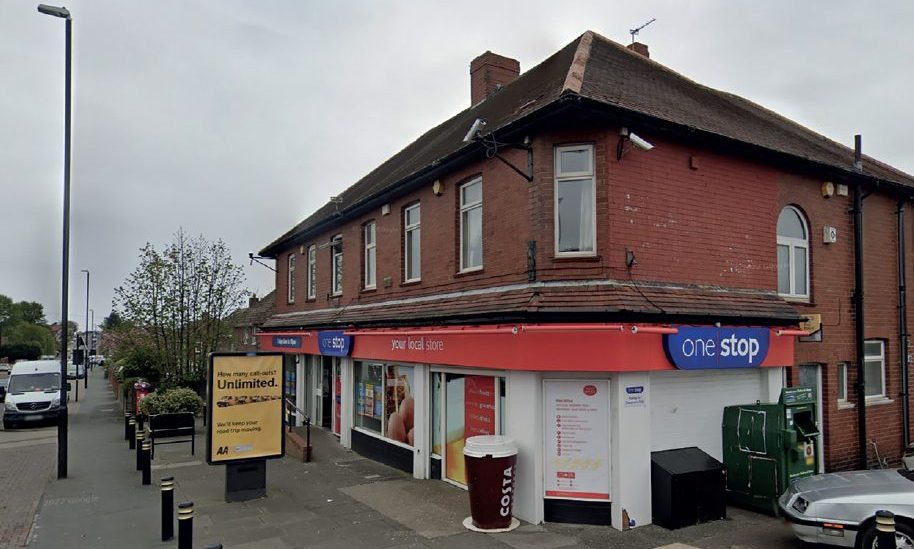
They say the Government should collect information on applying the aggravating factor by Magistrates and make recommendations on its impact.
Most targets for attacks by yobbos are corner shops off-licences selling alcohol until 10 pm or even later. Although most victims are diasporans, even local white Brits running shops have not been spared by these thugs.
Take the example of Briton Michelle Evans and her husband, whose mobile catering unit, Café Express, in Leicestershire, was burgled on April 5. Thieves took cash and stock after they had shut.
The couple is disheartened. They were burgled three times before. They questioned whether or not to keep the business going.
Michelle said they are struggling to keep their business running, and the burglaries have set back their small business tenfold.

Many people choose to stay at home rather than risk their lives being attacked in the streets. The consequences hit the shopkeepers, who now demand the Government to stamp out rising violence, which has now spilt into the streets with many shops.
It is necessary to explore the reasons for this violent behaviour and bullying of the diaspora communities.
In the past, rabid white youth were responsible for racist attacks on the newly settled immigrant communities’ shopkeepers because of the ongoing Government resentment of foreigners coming to settle down in the UK in the 1960s and 1970s.
Their illiteracy and ignorance were so evident that to them, every South Asian was a “Paki” (Pakistani), even when they came from India, Bangladesh, Mauritius, Malaysia, Kenya, Uganda, Tanzania, Guyana, and Trinidad!

In those days, it seemed that the Government of the day and the anti-immigration lobby led by the likes of Enoch Powell, the National Front and their ilk had given yobbos an open licence to native Brits to taunt people who did not share their white colour foreigners.
Observers call this colour bar war. Anyone who is not white to this day is referred to as a coloured person or a black.
Someone challenged this label, arguing that even the white colour is made of several shades of colours!
There is logic in this argument: White is made of the primaries red, green, and blue combined pairwise to produce the additive secondaries cyan, magenta, and yellow. Combining all three primaries produces white.
So, the whites are also coloured! There’s nothing whiter than white!
No one had educated them that these were British citizens by right from the countries that they had colonised and that the governments of those days had enshrined their right to settle in the UK.
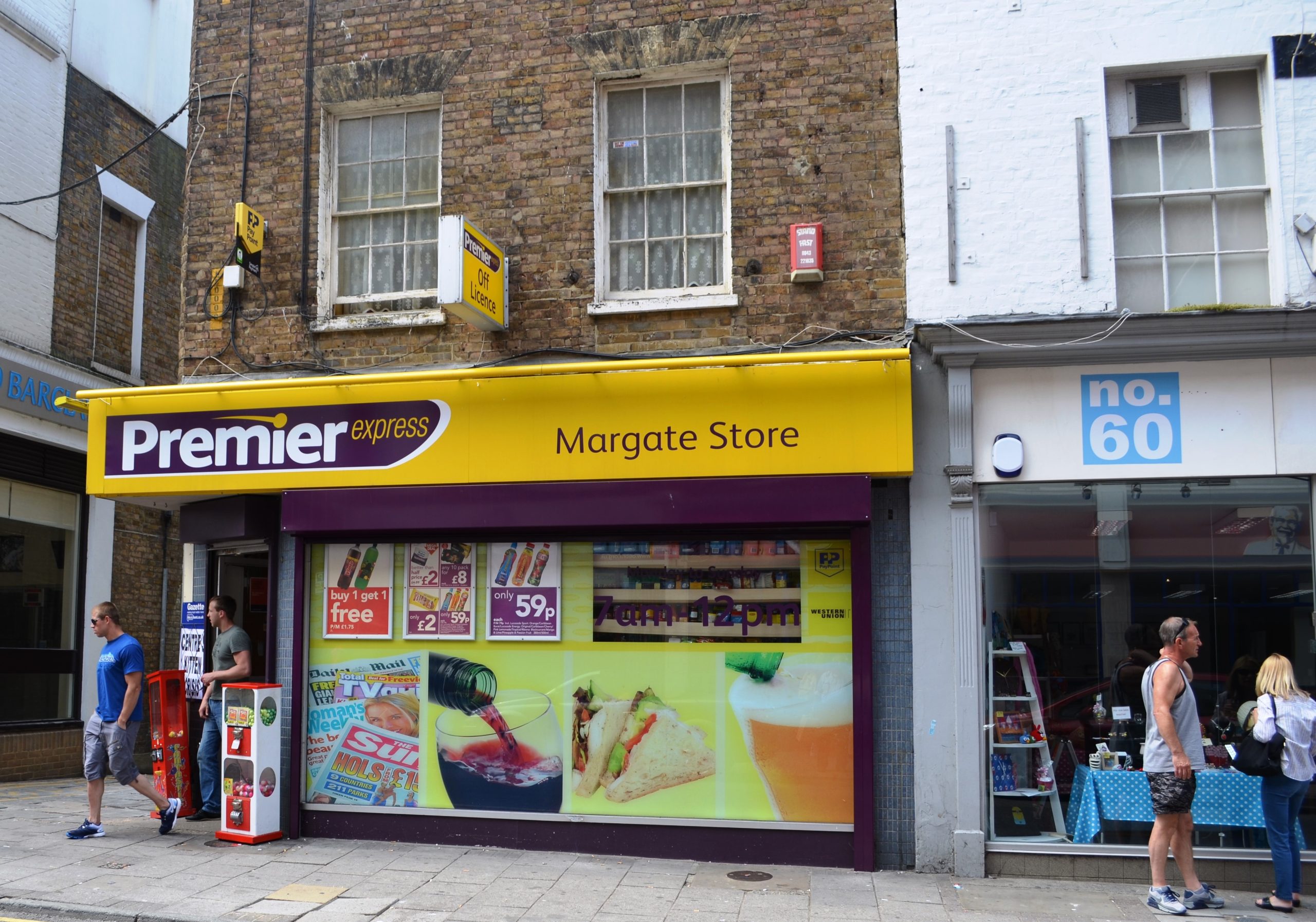
Besides the native whites, these days, partially, this violence is also engineered by jobless, drug-crazed diaspora communities without pointing the finger at a particular community.
Even though in the early years, many white youths believed they had a licence to bully newly arrived migrants settling in the UK, the situation has barely changed even after but decades, and their resentment continues. White yobbos are getting more vitriolic and bolder.
Shopkeeper Jimmy Morar recalls the day when he was attacked as he stood behind the counter to serve and left with a bloodied face at his convenience store in Liverpool, 214 miles from London.
As he did daily, Jimmy Morar opened his supermarket, the Dock Convenience Store, part of the nationwide Premier Stores chain, in Freeman Street, Birkenhead, in the Wirral, in his inimitable Tanzanian style, politely offering seasonal cheer to his regular customers throughout the day.
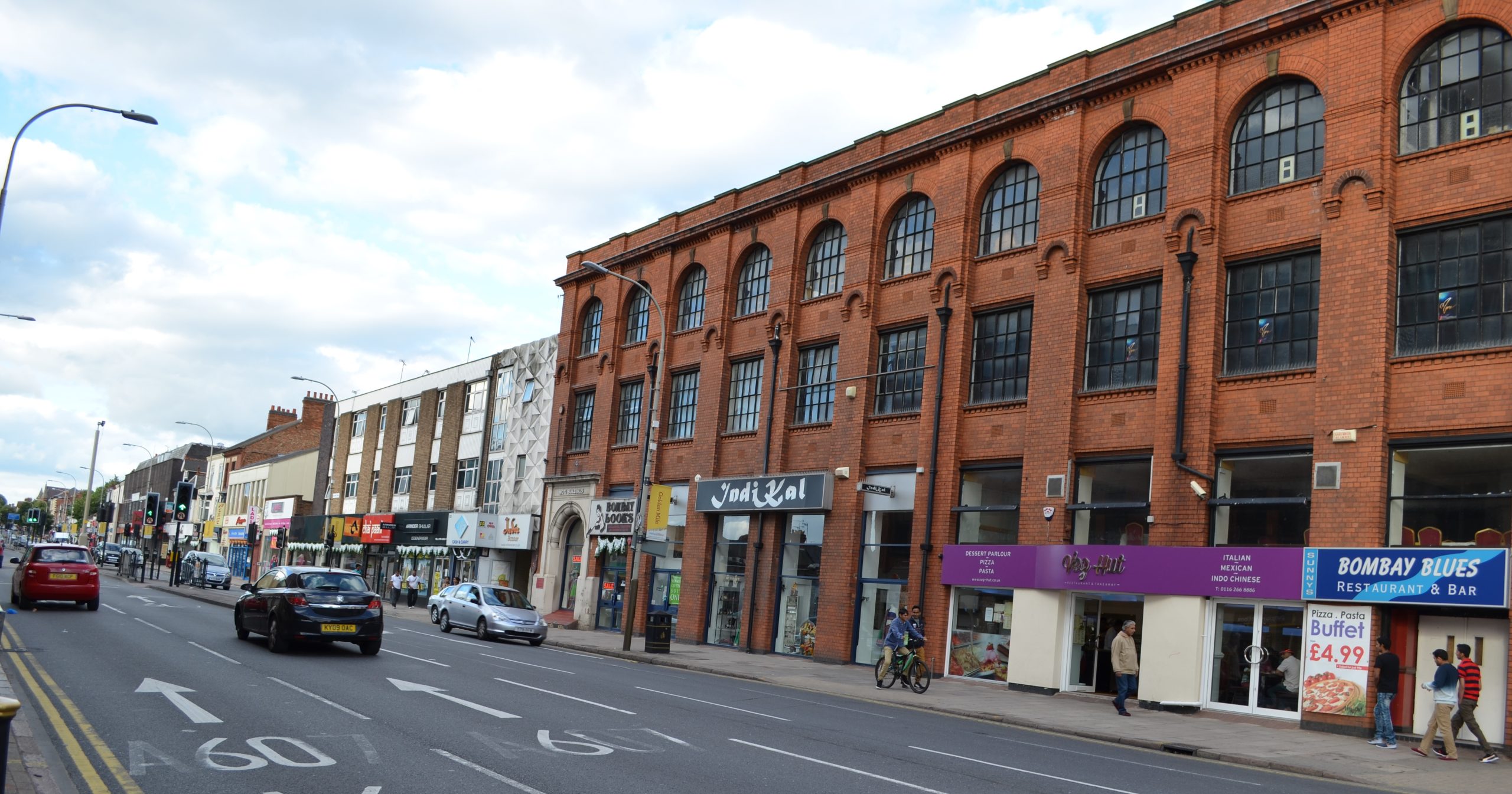
When, on that dark winter evening, he prepared to close his shop, peace was shattered by a gang screaming racist abuse and thumping hard outside the shop’s display window.
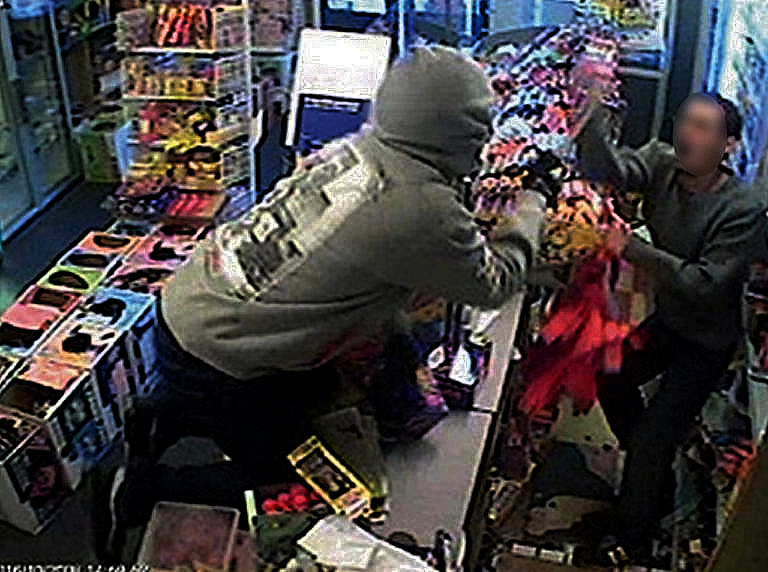
He confronted the yobs – two youngsters and a grown-up man. They forced their way into the store and started pelting Mr Morar with confectionary items, chocolate bars, and a ceramic bowl grabbed from display shelves in full view of the shop’s CCTV cameras.
“I was getting ready to close the shop at about 7.30 pm. I heard a big bang on the window. I looked on my CCTV and saw one lad sitting on the floor outside and a girl with a dog standing there.
“I went out and said, ‘Why the hell are you banging on my window?’ they started being abusive and using racist language.
“I didn’t even react and went back inside,” he recalled, then within a minute, this lad walks in; he was charging up the till angry and being abusive.”
Mr Morar tried to calm down the situation, saying, “Just forget it and go away,” and the next thing, he recalled, “boof, a punch thrown on my face.”
One man approached the businessman before punching him. After hurling items, including chocolate bars and a ceramic bowl, “that luckily just missed me.” He returned to Mr Morar as he stood behind the till to land further blows. “I was in the corner, and there was nothing I could do,” he recalled.
“It was terrifying; he was a big lad. He’d already cut me with the first punch, then he kept hitting me again – two, three, four punches. After that, I hardly knew where I was.”
The thugs attacked him, leaving him with blood-splattered face.
No one can understand violence more than those who have suffered from it.
Pensioner Sam Mohal, a millionaire businessman, is one of the many victims of corner shop violence, ending up in hospital with injuries.
Sam, who came to London in the 1970s, recalls his days as a corner shopkeeper in his 175-page memoirs, Victory with Determination (ISBN 978-0-9552627-9-1 Crownbird Publishers).
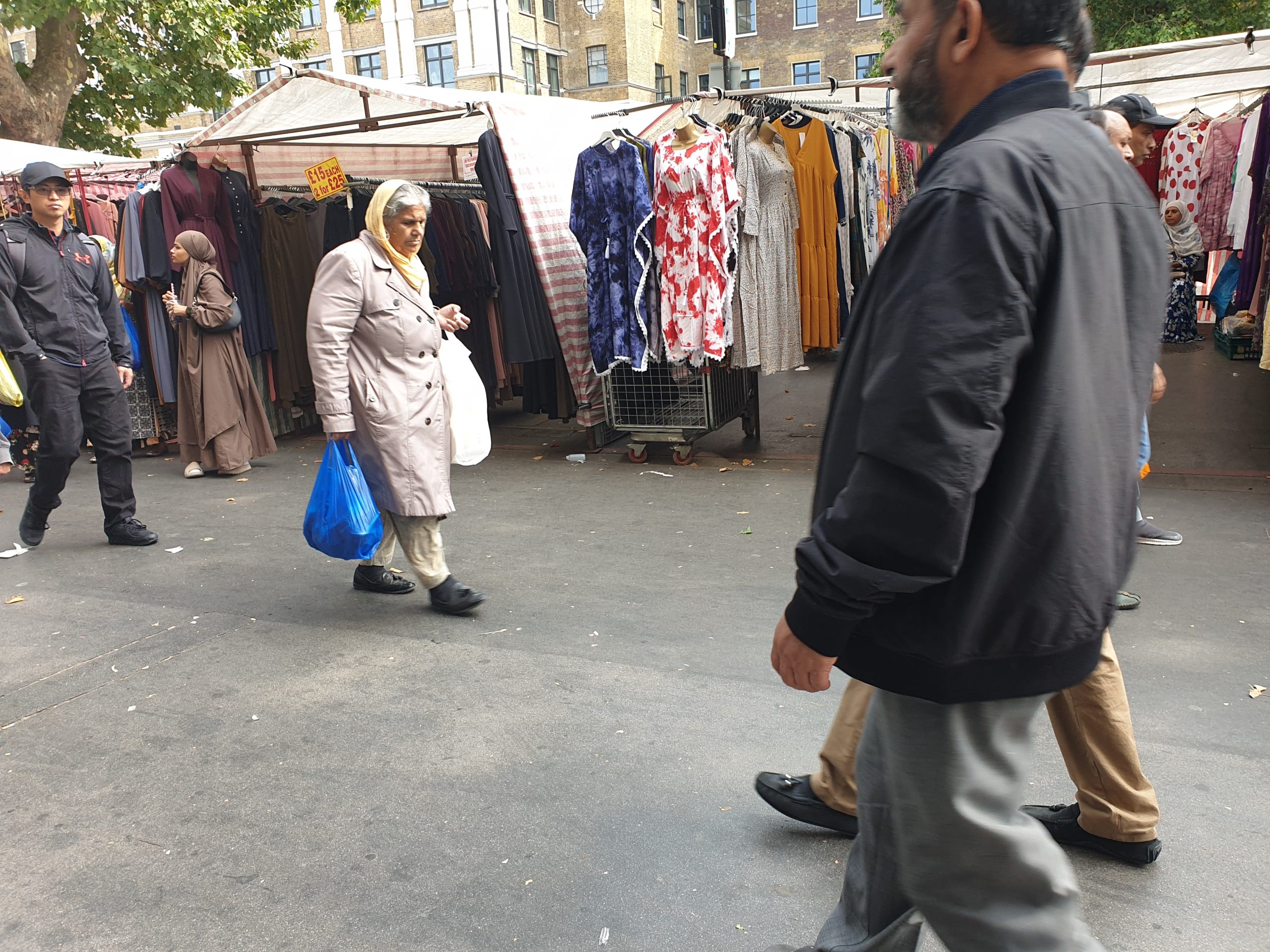
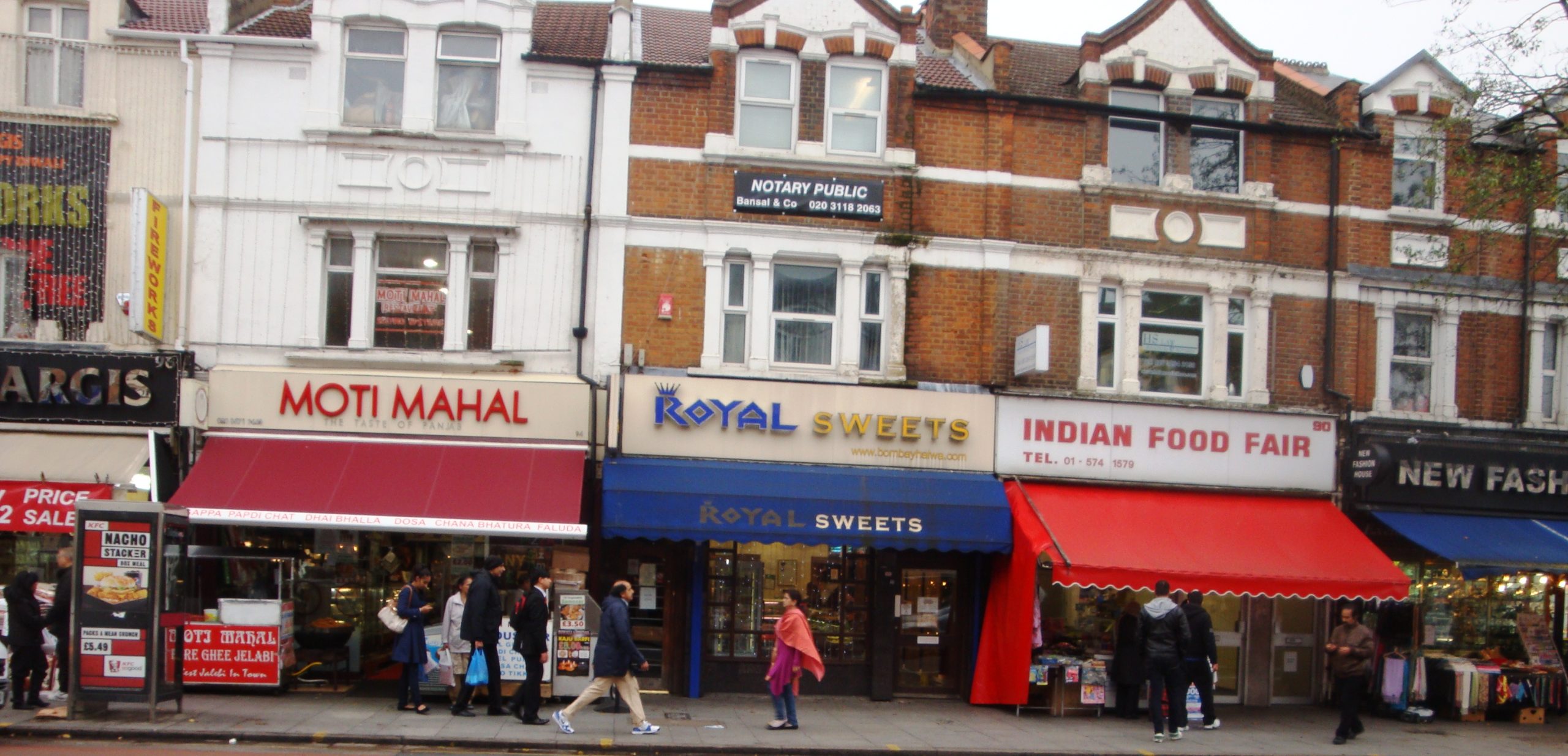
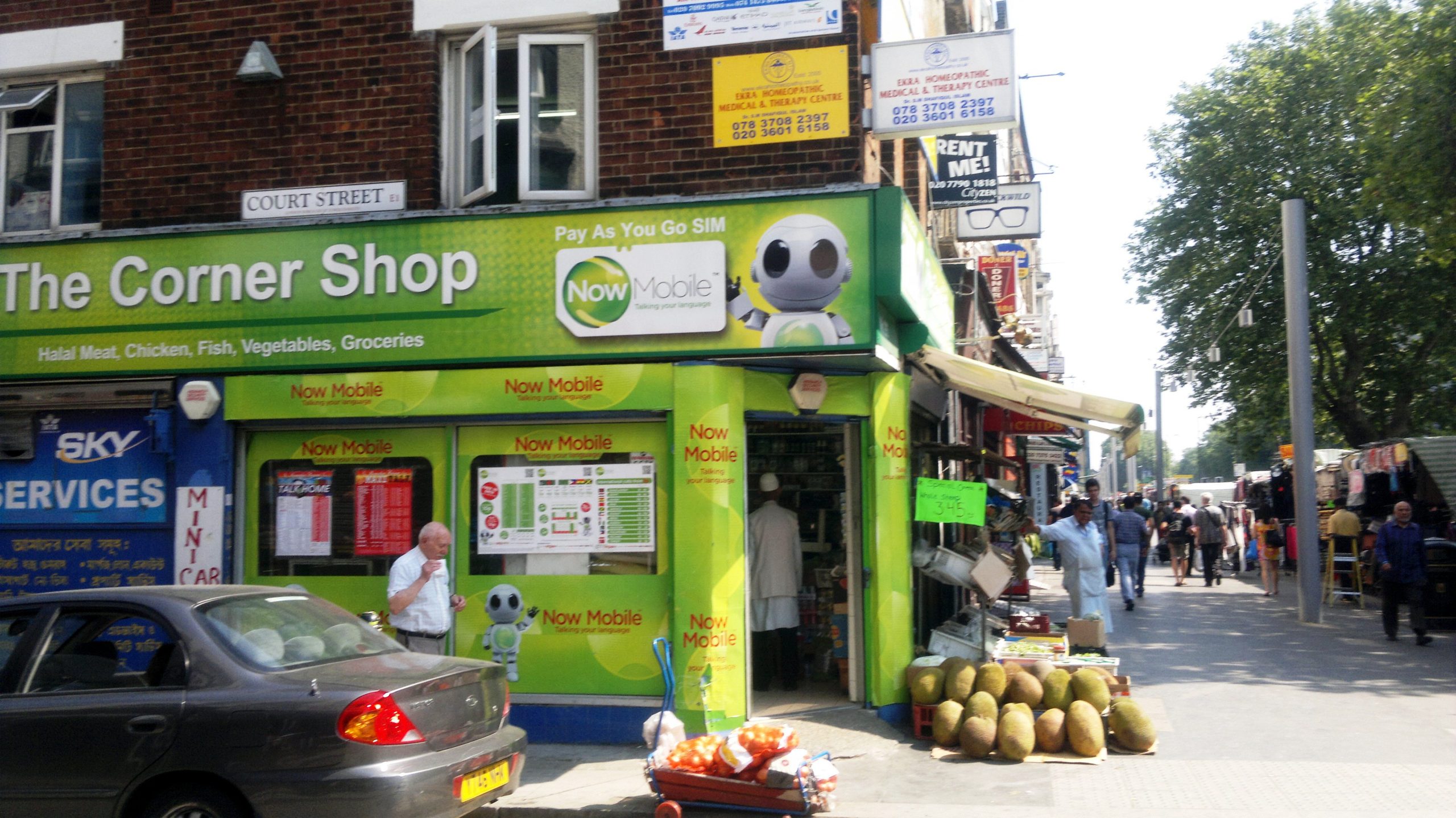
He and his family used to run an off-licence dealing with the sale of alcohol in a very rough, run-down area of East London with municipal council flats.
It was a no-go area for the faint-hearted. There were gangs of white youths who ruled the estate, which meant that the off-licence could only be open for two hours a day, from 7 pm to 9 pm. The gangs would drive out any manager the owners tried to put there permanently.
The shop was on the corner, part of a row under one of the blocks. This was no problem when the other shops were open, but once they closed at five, the off-licence was vulnerable as it had to be kept open till ten.
In those flats, the gangs of young white boys would do anything they could to cause trouble. These jobless yobbos smashed both their shop windows many times.
They went around Mr Mohal’s house and poured blue paint on their brand-new orange car.
“We had metal grills and gates over the windows and doors of the shop, and they would use cutters to cut them off.
“These kids would stand in the shop, not buy anything but stand there, stopping anyone else. It’s a basic extortion and protection racket technique, but we didn’t have this then; still, we wouldn’t stand for it.
“They used to show up at ten at night and crowd around the shop, thinking they could scare us into shutting at nine. We just carried on as usual. “
There was a grocery shop a few shops down from us, and the same kids who tried it with us would walk in there and forcibly open up their till. They wouldn’t take everything, maybe five pounds, and then walk out.
They would grab a bottle of Coke from us, stand in the middle of the floor, shake it, and open it so it went all over the shop. They would demand money. The Mohals threw them out.
He then moved from there to run a wine shop in east London. At about eight o’clock, while running the shop alone on Ley Street, he was serving behind the counter.
Two men walked into the shop. “I didn’t look at them. One walked up to the counter, and the other approached the opposite, looking at the wines. I then realised that they were together. He then asks me for a box of matches. All the while, I could see the other man, and I got suspicious. I gave him the box of matches. He handed me 10p to pay for the matches. I opened the till: as I did, he punched me full in the face, and that knocked me back. With my hand still in the till, I fell back, clutching at it as I fell. He reached over the counter and tried to rip the till out, wires and all.”
Mr Mohal tried to reach the panic button under the counter with his left hand and right arm, holding the till down from the top. He pulled the till from the outside, but the shopkeeper did not let the till go.
His accomplice came from behind the counter and hit Mr Mohal over the head many times with a heavy bottle taken from a shelf. “It hurt like hell, but it angered me so much that the adrenalin stopped the pain. I heard the one who was pulling the till on the outside say, ‘Shoot the bastard’ – I don’t know if they had a gun, but I immediately let go of the till. “
In self-defence, Mr Mohal turned on him and grabbed him by his shirt, hitting him with one hard punch in the face. His legs just turned to jelly, and he fell back. Behind him was a cooler, an old one like chest freezer. He fell across this, and I was on top of him, punching him repeatedly in the face: ten, fifteen times, just striking him hard.”
By this time, a crowd was in the shop, wondering what was happening. The other man ran away with the till. Mr Mohal was still punching this man in his face and body and only stopped when the Police arrived.
The confused policeman was asking me what was going on. There were sweets and confectionary all over the floor, falling from the counter during the struggle, and there was no cash till.
The cheeky thief beaten by Mr Mohal said he wanted to press charges against me for beating him up!
The future outlook for shopkeepers is grim unless the Government cracks on these hooligans or these shops could close en masse.
Similar Posts by Shamlal Puri:
- LONDON PACKAGING WEEK WITH TOP GLOBAL BRANDS ATTRACTS THOUSANDS OF VISITORS
- UK’S NATIONAL HEALTH SERVICE IN BIZARRE COLOUR BAR CRISIS
- UK’S NATIONAL HEALTH SERVICE IN BIZARRE COLOUR BAR CRISIS:
- British PM Andy Burnham’s slams dodgy deals – ending rip-off discounts and subscription traps
- Hundreds Die In Brutal 2026 Summer: Scorching Sun Strikes Britain, Causing Water Shortages And Drought
About the Author