Bank branches hit, shops, superstore chains and pubs pull down shutters permanently:
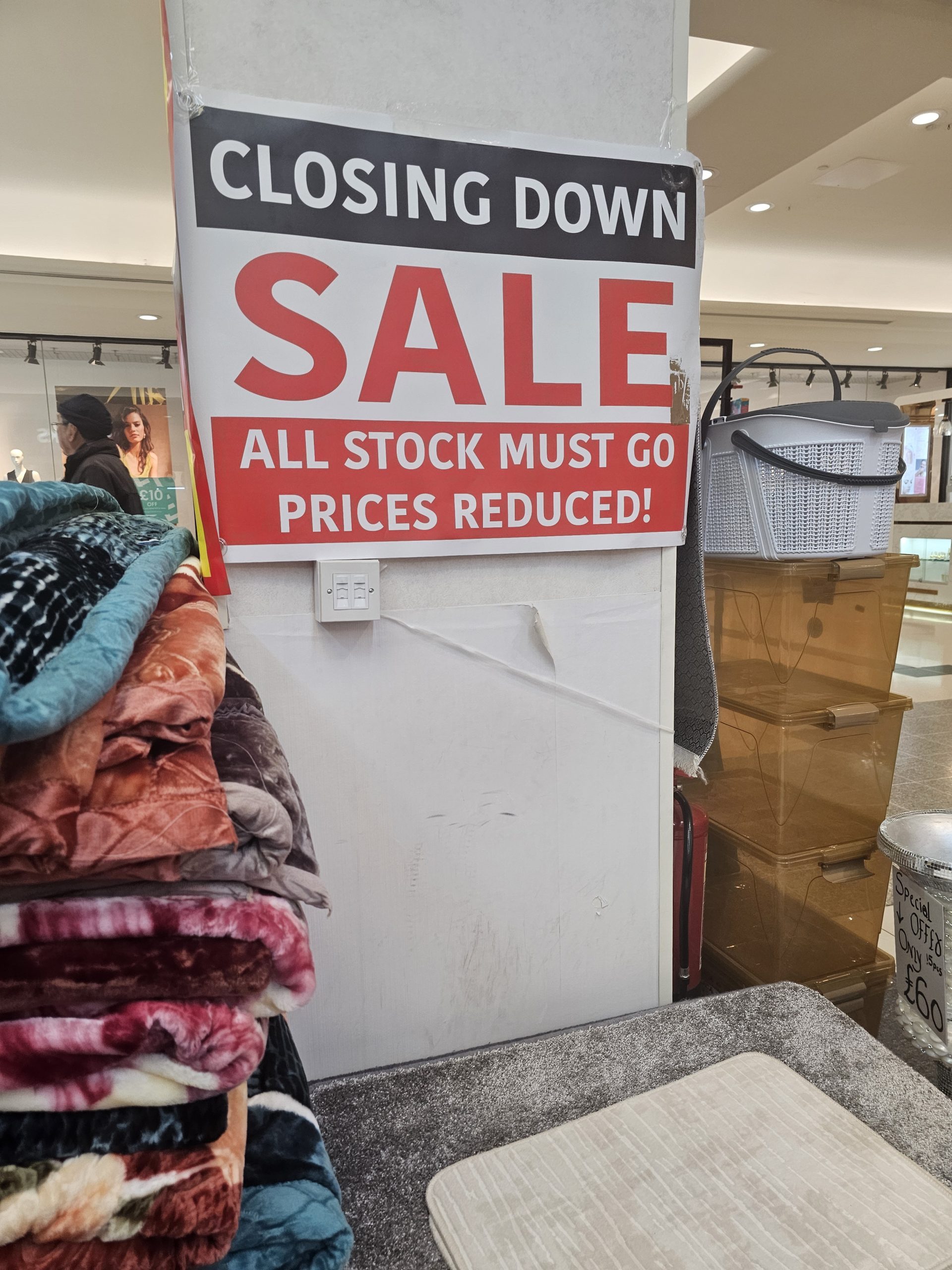
Gloomy days ahead...Thisn shop in London had to reluectantly close down due to the lack of sales. Copyright Photo SHAMLAL PURI
MASS BUSINESS CLOSURES AS GHOSTS OF COVID LOCKDOWNS HAUNT BRITAIN’S HIGH STREETS
By SHAMLAL PURI in London
Senior Editor – UK and Associate Publisher

Britain is going through the winds of change this year and sees rapid changes blighting the High Street, giving a stark reminder of the ominous COVID lockdown days.
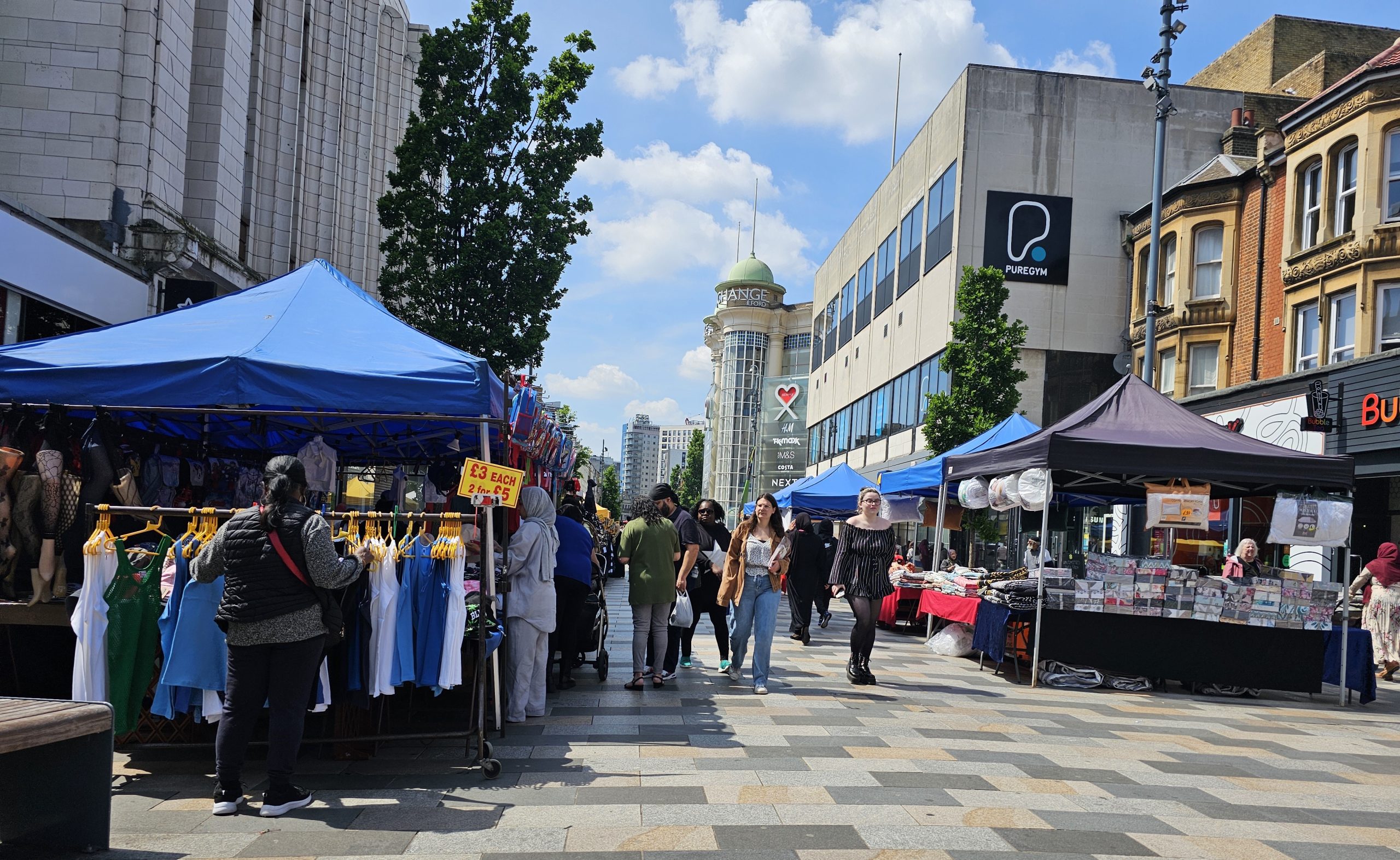
In 2024, the once vibrant high streets, the heartbeat of the community, packed with shoppers, are slowly turning into ghost towns as many businesses ranging from supermarkets to small corner shops pull down their shutters – victims of the shaky British economy, increasing poverty, rising crime, parking woes and for many elderly people living alone the fear of being attacked by thugs.
Many believe the current situation is tearing the fabric of communal harmony as people are directed to online shopping.
One London pensioner sardonically describes the changing scene as the ghosts of Covid-19 and the consequent lockdowns returning to the country.
Many businesses are still recovering from those lockdowns, with Ravi, a small corner shopkeeper, saying they were struggling for survival in an extremely competitive market.
Pessimists say that the country is sleepwalking to an economic catastrophe, but die-hard supporters of the Tory Government see it differently.
The cost-of-living crisis is taking its toll as people have less money to splash out on luxury shopping and continue struggling to get by with just enough money for essential supplies for the family.
The two Covid-19 lockdowns put the final nail in the future of many businesses with record closures. Call them business failures when it comes to small enterprises.
According to a Government report, 2022 was the first year since 2009 and 2010 with a higher rate of business closures (11.8%) than new business openings (11.5%). There were 337,000 new businesses opened in 2022, down 27,000 from the previous year. There were 345,000 business closures in 2022, around 18,000 more than in 2021.
The UK is still reeling from these closures, and there is continued nervousness in the business community, even though some might be pretending that their businesses have bounced back.
The outlook is gloomy for the community at large. On the other hand, businesses struggling to survive the cost-of-living crisis are trying extremely hard to win customers as fewer people buy their goods.
Footfall into high street businesses and corner shops still struggling has reduced dramatically as people’s spending power has plummeted due to job losses and rising taxes.
The retail trade constantly struggles to attract customers, sometimes experimenting by switching their traditional lines of goods and services to what they can sell more speedily.
Sauntering down these shopping streets, one cannot miss seeing sales and closing signs outside shops. This sends a message that the business community is enduring most in the current crisis, which many observers blame on the government’s policy failures.
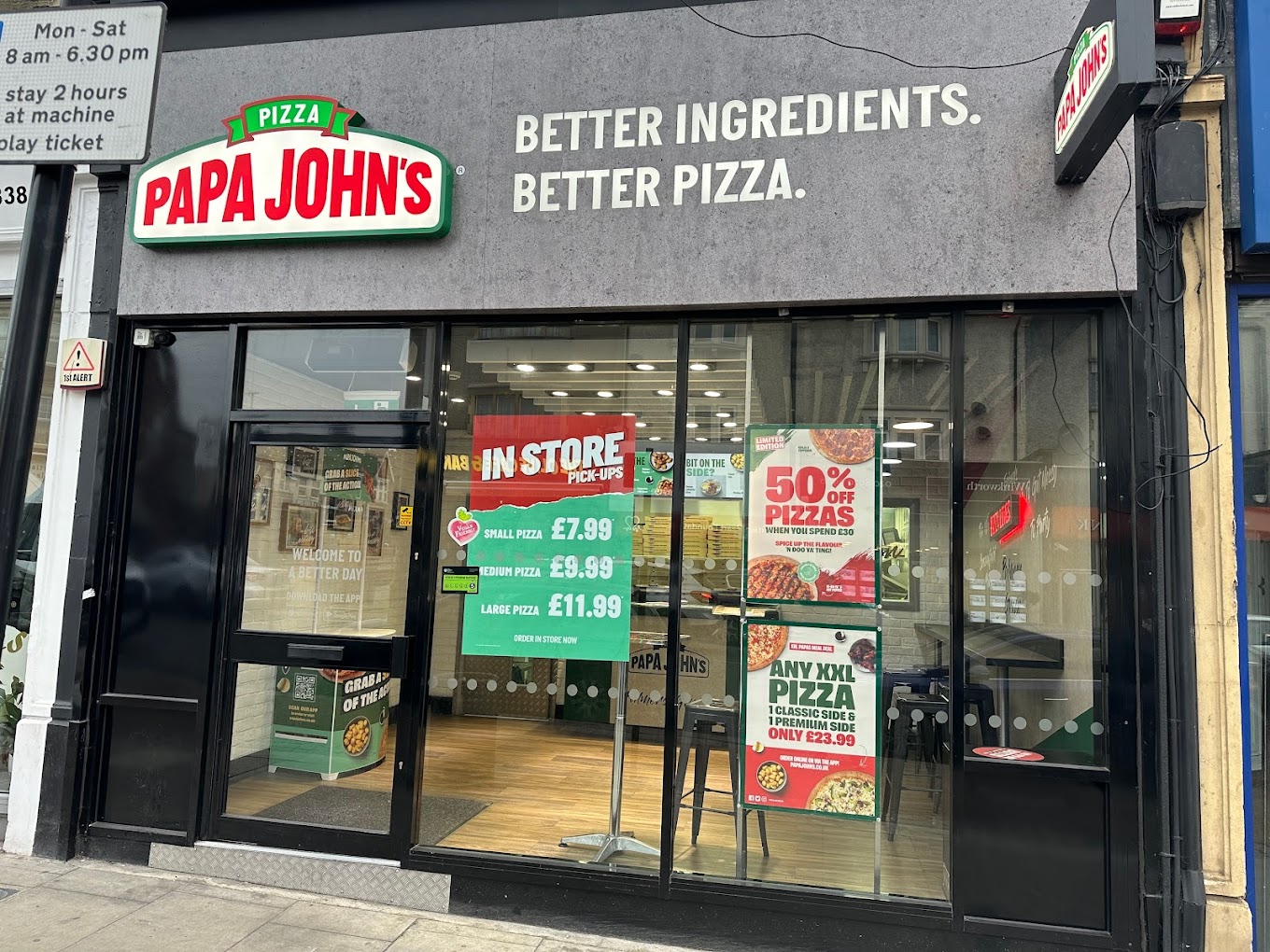
Restaurants also face a business downturn as customers stay home, cancelling their weekend outings to save money, instead prefer eating homemade food.
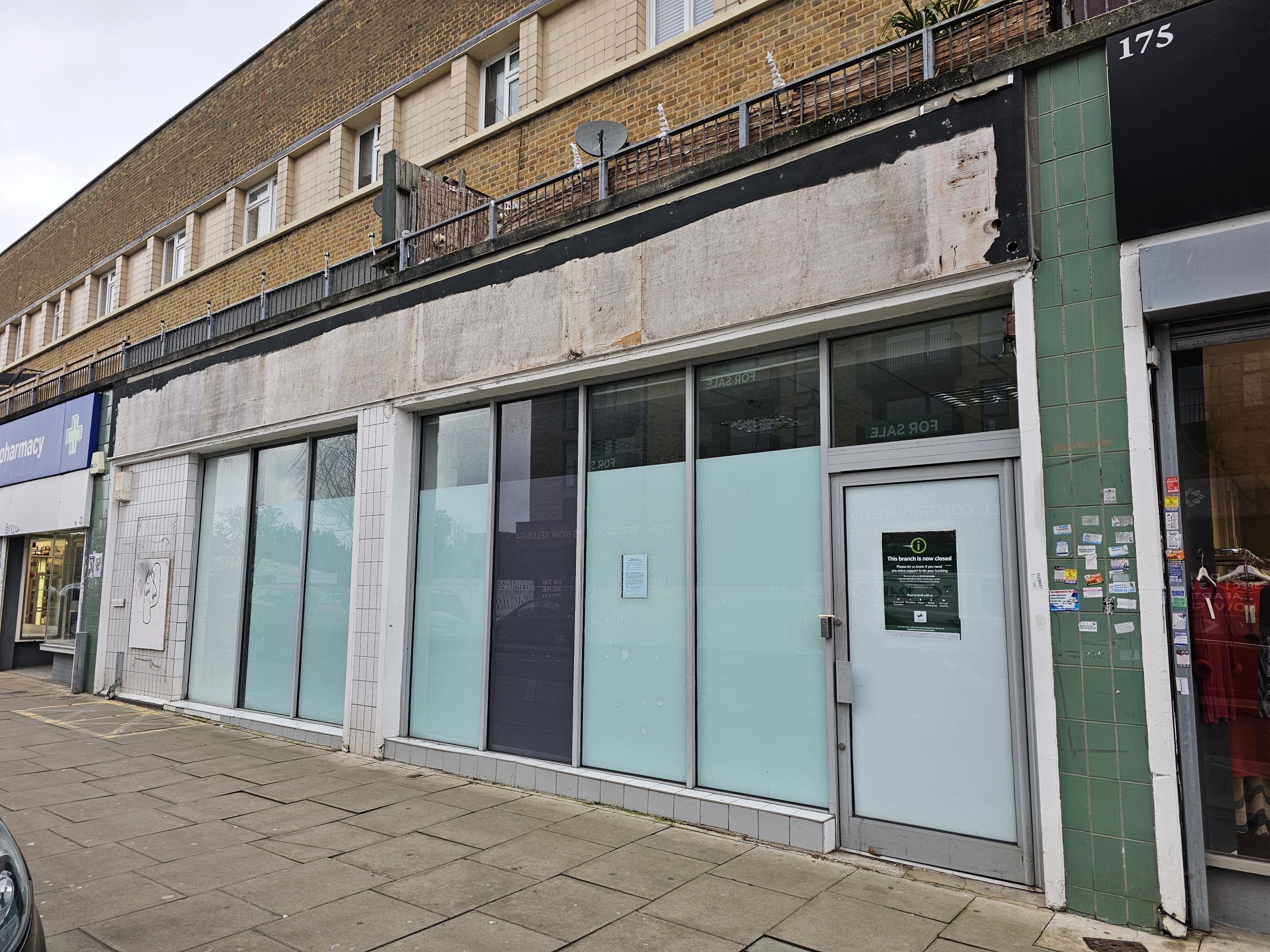
Not only that, but commercial banks are also feeling the pinch, closing their branches.
Even pubs, the traditional place for relaxation where hard-working Britons can drink and relax after work, are putting their hands up and shutting their doors.
An increasing number of pubs are closing their doors permanently in the United Kingdom as the industry fights for survival, losing its fizz as a major cash crisis and loss of customers hit them.
The Government gives verbal froth with lacklustre action or incentives to boost their business.
More than 150 pubs in Wales and England have shut down in the first three months of last year.
In 2023, according to officials, 194 pubs were lost forever due to conversion demolition.
In that year, a total of 386 pubs were lost permanently. A shocking 1,293 pubs closed their doors to their communities, depriving them of social meeting venues.
According to the British Institute of Inn Keepers, three in four pubs were not profitable in 2023. The total closures have lost £100 million to local economies and over 20,000 jobs, and a staggering 64 million fewer pints sold,
A disturbing 51 pubs are closing each month, a significant jump from 32 lost pubs monthly throughout 2022.
It is early to calculate the figures for the first quarter of this year until the next couple of months.
Soaring energy costs, staffing costs, high taxes and lack of customers are killing the industry so severely that even the commercial value of pubs is plummeting so badly that buildings which have run pubs for decades are being demolished for redevelopment or used for other purposes.
The British Beer and Pub Association warns that the average energy bill for a pub would rise by £18,400 a year with little sign of relief from the Government.
The situation is so desperate that some pubs are forced to hike the prices of a pint (of beer) to a whopping £15 to £20 to stay afloat.
Pub landlady Miranda Richardson gave up her village pub after her energy bills soared to £30,000 a quarter, totalling £120,000 per year.
Additionally, to run her big pub, she employed six bar staff, a wait staff, and a chef, adding to her running costs.
The business cost her £5,000 a week to keep the doors open. Her pub, Live and Let Live, in Harpole, Northampton, received a gas bill of more than £7,000 and an electricity bill of around £20,000.
The previous year these costs were £6,000 less. Her gas bill was around £1,500 for three months or £6,200 less per annum.
To break even, Miranda said she would have to sell “roughly 1,400 pints of lager” to pay her costs. Though she loved her pub, she could not sustain running it, so she put her hands up and shut the door.
Experts say by the end of 2024, the pub industry will have closed more outlets.
The world of British commerce is in jitters as the economy is showing cracks with a dwindling base of customers; otherwise, one would not see any reason for top brands named High Street banks to close scores of their branches permanently.
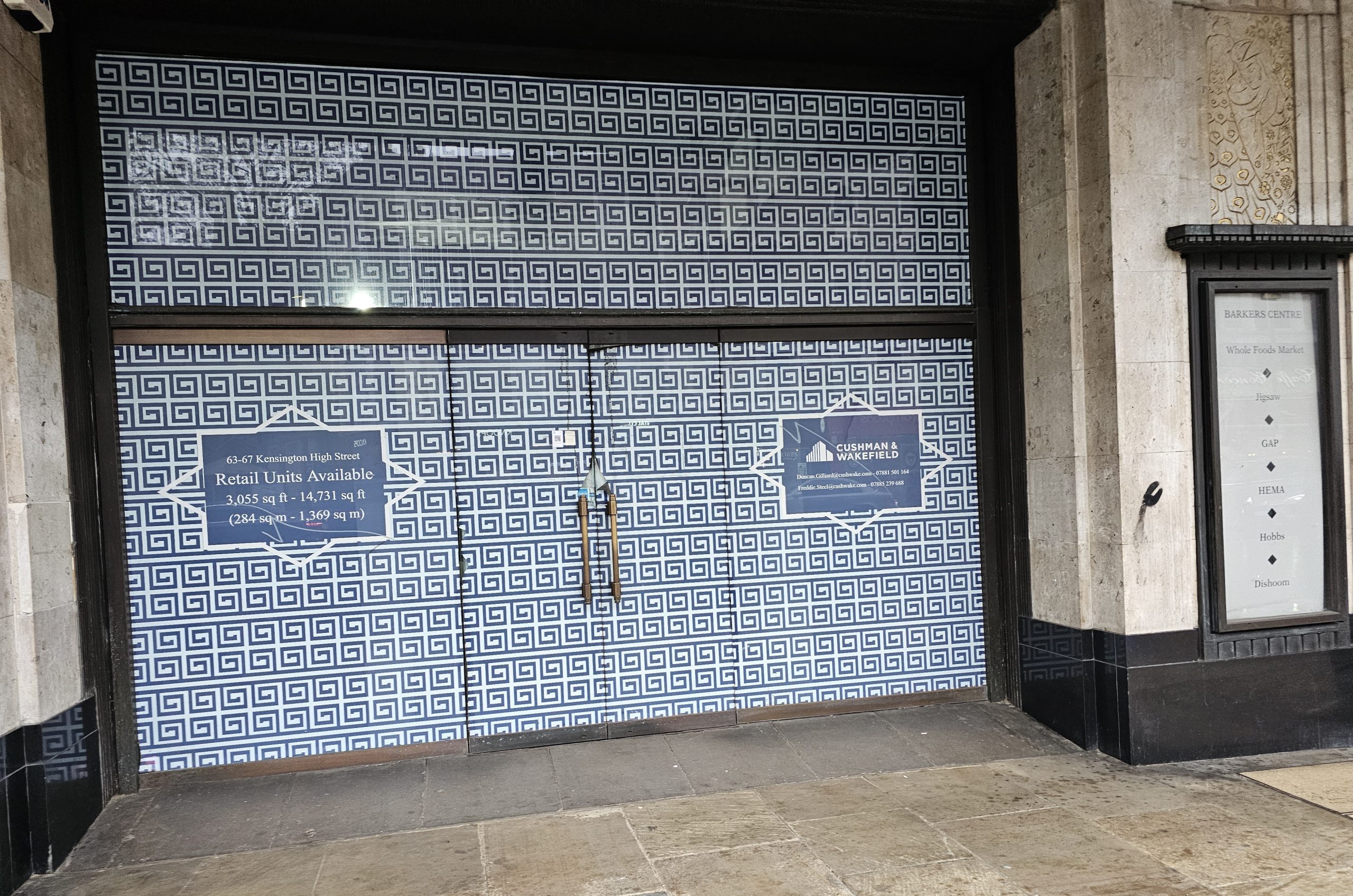
The shopping landscape has changed drastically over the past few years, with the high street taking a hit due to the Covid pandemic and, later, the cost-of-living crisis.
Many retailers have acted following this and streamlined their stores while other shops suffer outright losses, preferring to pull down their shutters permanently.
A string of stories of closures is taking place, including household names like Boots, the well-known health and beauty chain with pharmacies, shutting 300 stores as part of a major overhaul.
WH Smith, the popular newsagents and stationers with 1,100 branches, plan to close their store in Pool Street, Caernarfon, Wales. They have already closed their branches in Oban, Scotland, Ramsgate, Kent, Alfreton, Derbyshire, Newcastle-upon-Tyne, Bicester in Oxfordshire, Manchester, and Crew in Cheshire.
However, these closures are due to their non-performing branches, and the communities affected have lost their favourite retail shops; WH Smith is expanding with 15 new branches at airports and train stations.
The chain, with 600 high street stores, has said they will not open any more UK high street stores.
Some booksellers have a desperate attempt to sell books on offers such as buy one and get one book free.
Matalan, the fashion and homeware retailer chain, closed its store at the Core Shopping Centre in Leeds after 20 years. It also shut down its store in Leytonstone, east London, assuring shoppers they could still place their orders online.
Fashion retailer Peacocks has shut its store in Bury St Edmunds, and Sports Direct is closing its branch in Swindon, which is a further blow to the high street.
Many well-known stores, including Argos, Lloyds Pharmacy and Poundstretcher, have closed stores recently.
Closing one of the fashion chain Blue’s stores in the busy Antoine Shopping Centre in Leeds is a blow to the chain, based at a site with 3.5 million visitors annually.
Many are hit so hard, leaving them on the brink of administration, notably the Wilkinsons or Wilkos chain.
Some will continue trading, but the volatility of the future operations of these stores always remains a poser in this business climate.
It is also the question of the survival of the fittest in the high street.
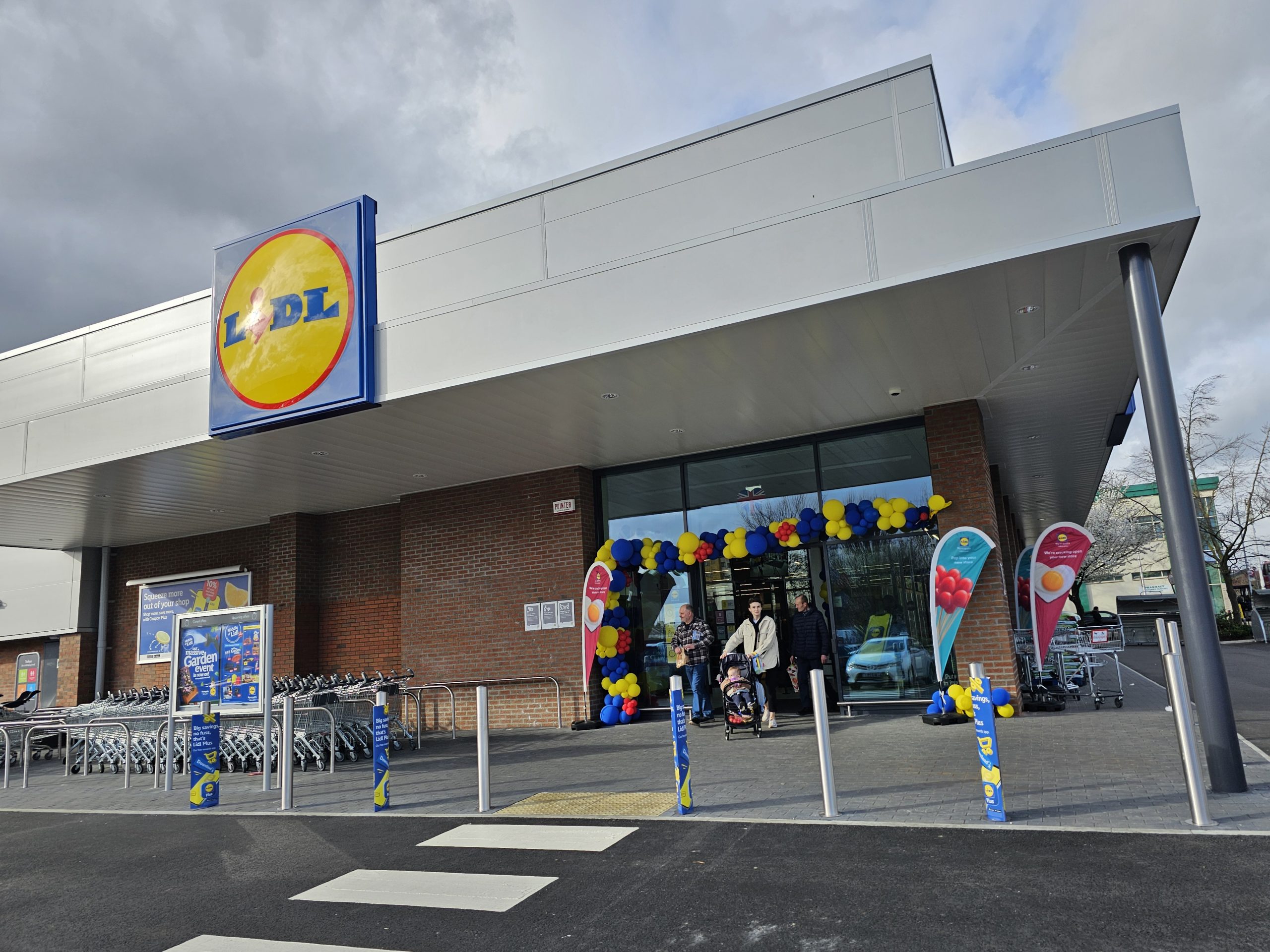
The German shopping chain Lidl GB, in the UK since 1994, has been opening 1,100 stores in a major exercise to strengthen its operations. The chain, known for discounts, attracts many bargain hunters.
Residents of Leicester, in the Midlands, with a diaspora population, were shocked that the flagship British superstore Marks & Spencer was closing one of their branches in the suburbs. This led to protests, but the chain is expanding elsewhere with new branches.
More than 6,000 UK bank branches have been shut down over the year due to operational cutbacks.
By the end of this year, the pace of closures will hit many parts of the country, including some areas of London without a single branch.
The horrifying statistics revealed by the British consumer group ‘Which’ are alarming to Britons who traditionally visit their bank branches.
This is not to suggest that the well-known banks are closing entirely but are pruning their branches to make way for online banking and cost-cutting.
It recently released a list of banks that have permanently closed the doors of their well-established branches that serve the local communities.
Thousands of bank staffs have lost their jobs, or their jobs are in jeopardy as the banks decide their fate either to relocate to other branches or to retrench them.
Account holders are nervous as top High Street banks are shutting down their branches on the pretext that they are promoting online banking for a growing number of customers but not realising they are depriving an essential service to the community, particularly senior citizens who may not have access to computers or who may not be computer literate.
There is also the additional threat of rising cybercrime and bank frauds as vulnerable account holders fall prey to fraudsters wiping their life savings.
The British accounting firm BDO revealed in its report, FraudTrack, that the amount of fraud in the country doubled to £2.3 billion in 2023, making it the second biggest year for scams.
The report looks at high-value frauds of over £200 million but also considers the growing popularity of online scams, phishing, system breaches, and push payments (APP) transactions where fraudsters trick people into transferring money to them.
The future does not bode well for the victims because Artificial Intelligence will embolden scammers to stay one step ahead and rip off brazenly.
Many bank account holders who hold life’s savings with high street banks prefer to visit their branches because they fear their chances of being ripped off online by fraudsters are stronger.
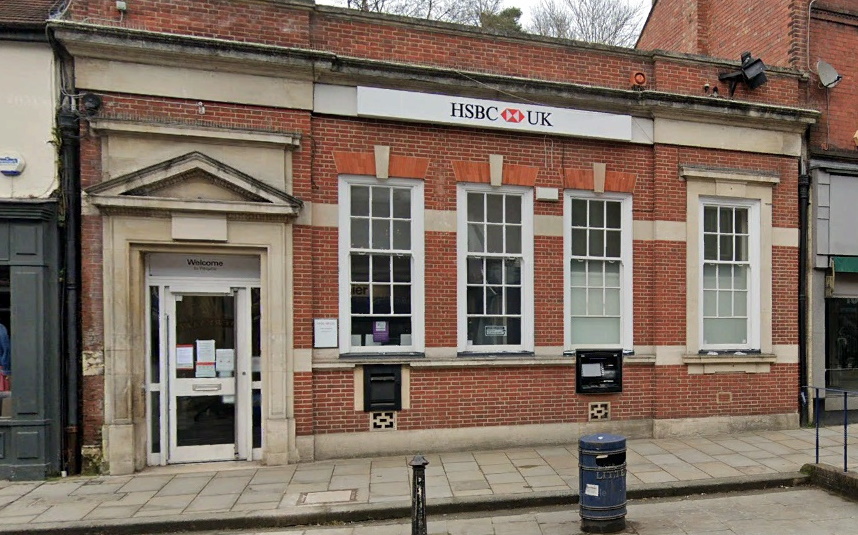
The names of banks shutting down their branches run like a list of Who’s Who. They range from HSBC-UK losing 114 branches last year, with more scheduled for closure in future; NatWest has planned 66 closures and Barclays 41 branches.
The Bank of Scotland, Halifax and Lloyds Bank, part of the Lloyds Banking Group, will shut at least 177 of their bank branches in 2024 and 2025, the Group confirmed to the media.
The banks had a combined total of 1,117 branches until April. While banks are safe, their customers will have fewer face-to-face banking choices.
Bank of Scotland has shut 26 branches; Halifax has 70 branches closed or closing, and Lloyds is shutting 81 branches.
So far, the nearest choice for their customers has been ‘mobile branch’ banking for making deposits and withdrawing cash, but both banks are closing this facility after May 31, 2024.
The Post Office is the best place to withdraw cash and make deposits, as many people turn to online banking, but some sub-post offices are closing.
Santander will close five branches, the Nationwide Building Society will close two, and the TSB will shut nine.
The current situation is, without doubt, a big blow to the community, and critics think that further closures cannot be ruled out in small business, banking, and restaurants; business continues to plunge, and the country is now becoming the arena of the survival of the fittest in the industry.
With the election on the horizon on July 4, the government is unlikely to give immediate priority to the deteriorating plight of the businesses.
Suppose the Conservatives hold on to power, which is unlikely going by the polls favouring the opposition’s Labour, the plight of the business community will remain unchanged.
Even the incoming new Government will sit on a time bomb for a while because it would have a lot of homework to restore the High Streets to their lost glory.
Similar Posts by Shamlal Puri:
- LONDON PACKAGING WEEK WITH TOP GLOBAL BRANDS ATTRACTS THOUSANDS OF VISITORS
- UK’S NATIONAL HEALTH SERVICE IN BIZARRE COLOUR BAR CRISIS
- UK’S NATIONAL HEALTH SERVICE IN BIZARRE COLOUR BAR CRISIS:
- British PM Andy Burnham’s slams dodgy deals – ending rip-off discounts and subscription traps
- Hundreds Die In Brutal 2026 Summer: Scorching Sun Strikes Britain, Causing Water Shortages And Drought
About the Author