Defiant Tories hope for a last-minute miracle to save them from a wipeout:

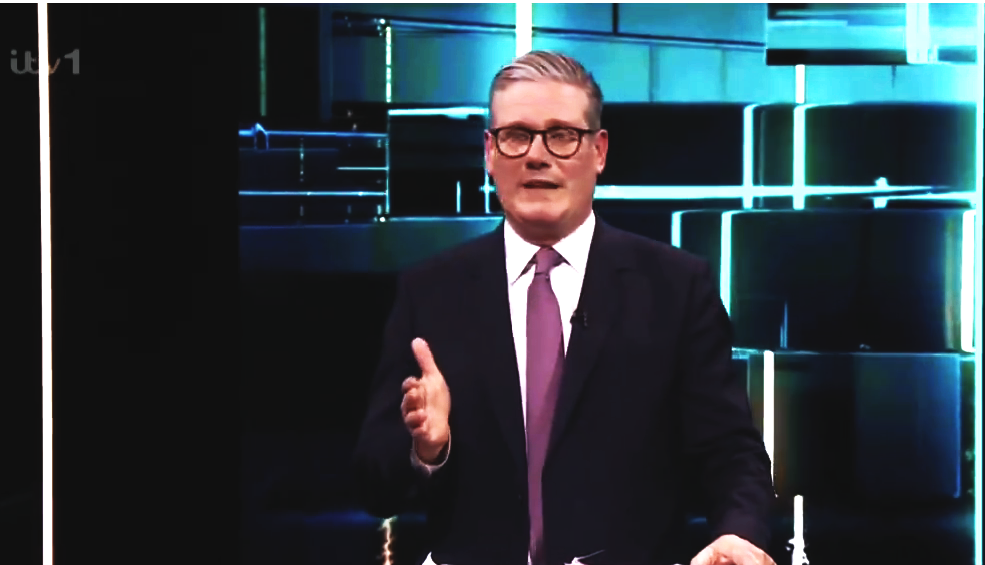
Defiant Rishi Sunak, the British Prime Minister, was in full form at the first live broadcast, debate on Tuesday.m chalenging his rival. Photo Courtesy ITV1
BRITISH POLITICAL LIONS ROAR AS SUMMER GENERAL ELECTION FEVER HOTS UP
By SHAMLAL PURI in London
Senior Editor – UK and Associate Publisher
The tussle between the battling political parties is gaining momentum as Britain, nay, the United Kingdom, enters the second week of general elections campaigning for the July 4 General Elections.
This is the time for a showdown and a display of flared nostrils, wagging fingers, wagging tongues, insinuated threats and raising the genuine, imagined, or fake fears they make along, an acceptable dose of half-truths to win the votes.
Prime Minister Sunak challenged Sir Keir Starmer to a live TV debate, which the Labour leader was hesitant to join at first but, thinking that it would be an admission of defeat, joined the initial debate on June 4.
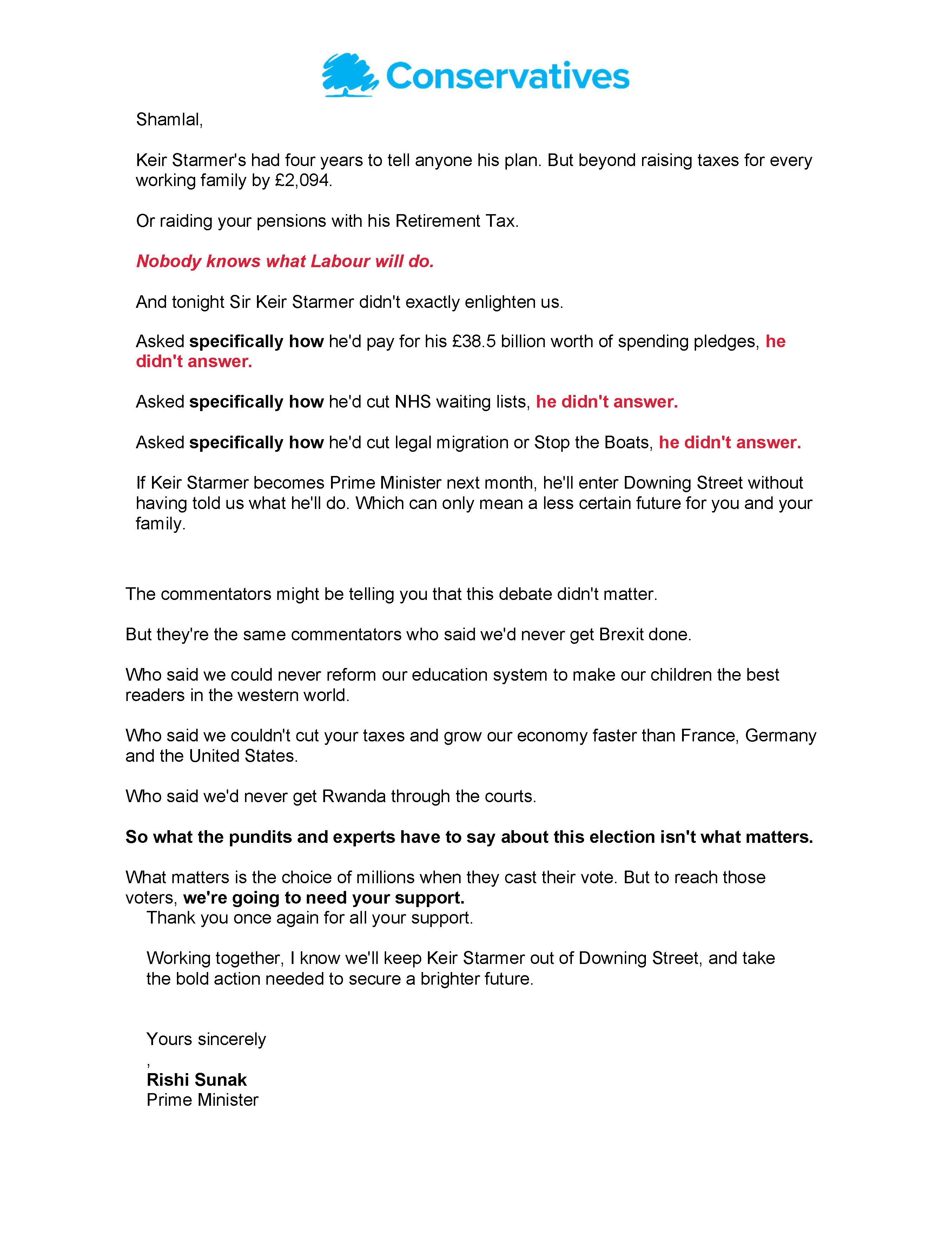
It was a ferocious one-hour, ill-tempered live broadcast with a barrage of questions that saw Sunak going for the jugular, roaring like a lion at his opponent who either was unable to answer his or chose not to answer questions, particularly on taxes, the National Health Service and how Labour would fund its £38.5 billion spending plans.
Sunak challenged Starmer on how he would handle some of the critical issues confronting the UK today – social care, ending the never-ending cycle of strikes and tackling immigration.
Sunak launched a searing political attack on Starmer, claiming that the Labour Party would raise taxes for every working household by £2,000, a claim Starmer dismissed as “absolute garbage”.
Sunak ensured the debate dominated on taxes. He said, “Mark my words, Labour will raise your taxes. It’s in their DNA. Your work, your car, your pension. You name it, Labour will tax it.”
Sunak continued his attack, saying that Starmer “is going to put up your taxes, out up your bills, as clear as night follows day.” He warned people to start saving if they believed Labour would win.
On his part, Starmer turned his anger on the Conservatives’ Party’s dismal 14-year-old record in office, describing it as a period of failure and saying it was now time to end their rule and “turn the page”.
He said that Sunak “is a British expert on tax rises; they are the highest level for 70 years.”
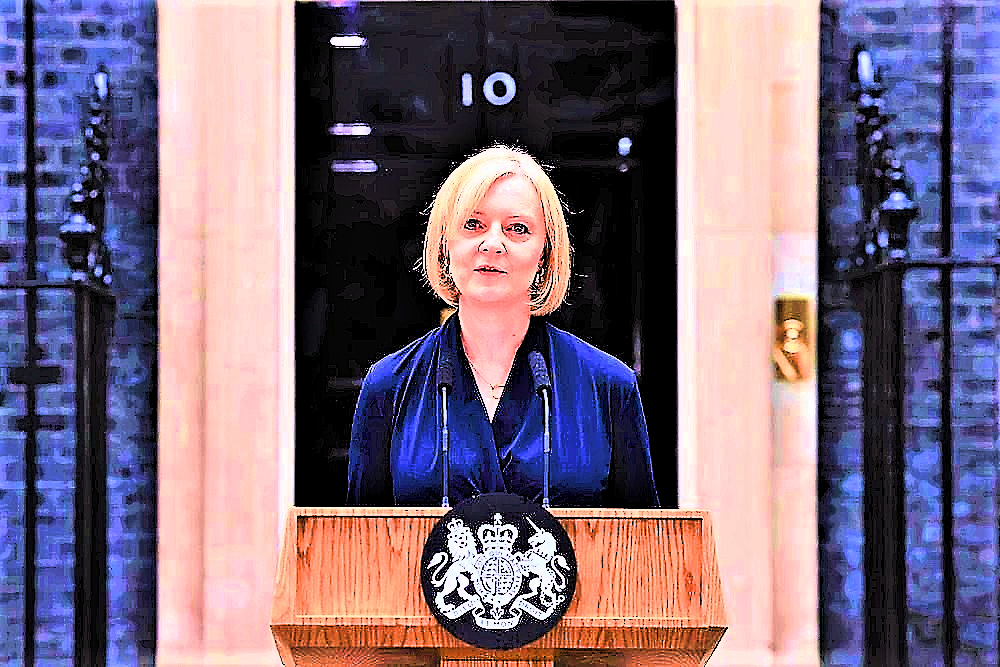
Sir Keir repeatedly referred to the fallout from former Prime Liz Truss’s disastrous mini budget that cost the country billions of pounds, and the country is still struggling to recover from this.
Though Sir Keir handled his part of the debate with the care and caution it deserved, his unfunded claims fell short of the facts despite Sunak’s histrionics, oratory, and stage skills.
Sunak’s tax hike claims came from Treasury analysis based on assumptions by the Tory Party’s special advisers, released recently by the Tory Party Chancellor of the Exchequer, Jeremy Hunt.
It claimed Labour had made £38.5 billion in unfunded spending commitments to the British public, which would work out to roughly £2,094 for every working household over the next five years.
But Labour claimed at that time that there were several errors – 11 to be precise – in the assumptions.
Conservatives came up with the £2,000 figure for how much they said Labour would commit to spending, dividing this by the number of households with at least one person working.
Sunak claimed that these costings were worked out by impartial civil servants based on assumptions made by special political advisers.
Both leaders told voters personal stories, narrating their childhood experiences that had shaped their political policies.
Far from it, the public would have been less interested to hear these stories but keener on how each would have resolved the nagging problems, such as the cost-of-living crisis and energy costs, because their fight is for survival, not to hear tales of the rich.
Mr Sunak insisted, repeatedly referring to the £2,000 Labour taxation plans throughout the debate, that he wanted to grow the economy, which he claimed was beginning to work.
Laying down his other plans, Sunak said one of the significant policy points would be his suggestion that he would be willing to quit the European Convention on Human Rights (ECHR) if his Rwanda Policy did not work.
Many see that as a kick on the UK’s remaining ties with the European Union, which are already on the brink of disappearing into the annals of history, further isolating the UK.
This may suit the Conservative Party in getting their Rwanda Policy through.
However, when the UK needs the European Union’s intervention on a matter relating to its national security, one cannot feel secure that the Europeans would return the favour.
The European Union already viewed the British as foreigners and treated them as such instead of being one of their own families.
Brits would lose their credibility.
Sir Keir, a career lawyer (barrister), knows what the law stands for, stating that his party’s policy said the UK would “not pull out of the international agreements and international law which is respected world over.”
The Labour leader said he wanted the UK to be “a respected player on the world stage, not a pariah.”
He suggested that Mr Sunak was out of touch and living in a “different world.”.

Observers say that Mr Sunak is singing the same tune on quitting the ECHR that his former Home Secretary Suella Braverman, whom he sacked during his Premiership now that he has been corned on his Rwanda Policy on the point of law and the ECHR’s objections.
The crumbling National Health Service came into focus during the debate.
Mr Sunak was asked if they had a loved one “on a long waiting list for surgery, would you, if you felt that was the only way forward, use private health care?”
Mr Sunak replied “Yes”, and Mr Starmer said an emphatic “no” because he had used NHS during his childhood and his family worked for the NHS. Instead, his message was that the NHS would be rejuvenated.
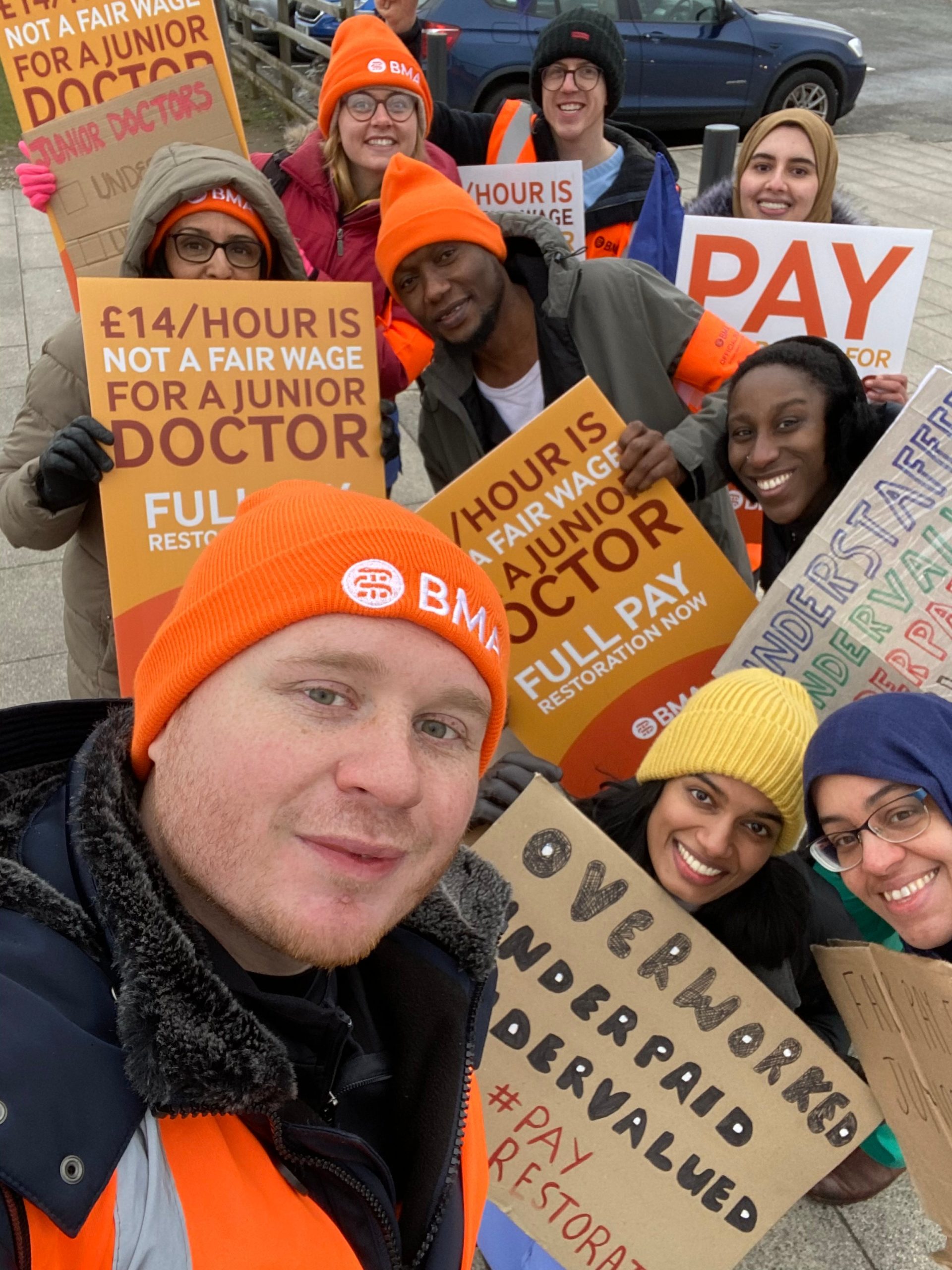
Mr Sunak blamed the chaos in the NHS on the health workers’ strikes, leading to loud groans from the audience, but added taxes would not be raised to fund the NHS.,
On raising taxes, both leaders were asked to raise their hands if they would raise income tax and national insurance, except for Labour’s policy on private schools and VAT.
Neither raised their hand, prompting questions about how they would pay for their spending plans.
That is best left to the next time when taxation is discussed.
The debate led to frayed tempers and raised voices between the two leaders, forcing the interviewees to lower their voices.
At times, Mr Sunak could not hold himself back from speaking over Mr Starmer and debate chair Julie Etchingham.
Recent polls have shown that the popularity of the Conservative Party is going down quite fast.
Scores of Conservative MPs have stepped down and defected, leaving the Prime Minister struggling to fight his way during the election campaign. He was booed during the meetings.
Labour Party has also been going through turmoil, with several MPs stepping down.
During elections, politicians have a casual relationship with the truth.
It is said that when making promises of the better days to come, politicians are slippery like an eel in making commitments.
The primary battle is between the ruling Conservatives, or the Tories headed by Prime Minister Rishi Sunak and their historical rivals, the Labour Party, with Sir Keir Starmer at the helm.
There are comparatively more minor parties, including Liberal-Democrats, who have a lighter sway on the political scene, the Green Party, and the Reform Alliance Party, who, aggressive critics of the two main parties, could conveniently dismiss them as sideshow groups and, uncharitably, vote spoilers.
This election is not about personalities but about issues that have torpedoed this Government’s way forward with its plans to move forward with the times and the pertinent issues that have bogged down Prime Minister Rishi Sunak’s officially announced five-point promises to ensure Britain bounces back after its tumultuous and rocky economic crisis.
His pet project, the Rwanda Asylum Plan, launched over two years ago, has had shaky starts with several legal challenges, not to mention problems in the Parliament to get them approved before they become law.
His critics say that Sunak has been walking on a slippery road, and for every step he takes, say in his plan to stop the boats with illegal migrants, he is forced to take several steps back and go back on the drawing board with dress up his plans with what his tormenters say fall foul of human rights.
So far, millions of Pounds have been sunk into his much-vaunted Rwanda Asylum Plan, but there have been no tangible results.
Sunak has continued to announce several dates for the first flight with illegal migrants from London to Kigali, Rwanda under the pact with that Eastern African country, but only ended up postponing it.
Opposition parties think his plan is jinxed. The future of Sunak’s coveted Rwanda Asylum plan remains dicey for now.
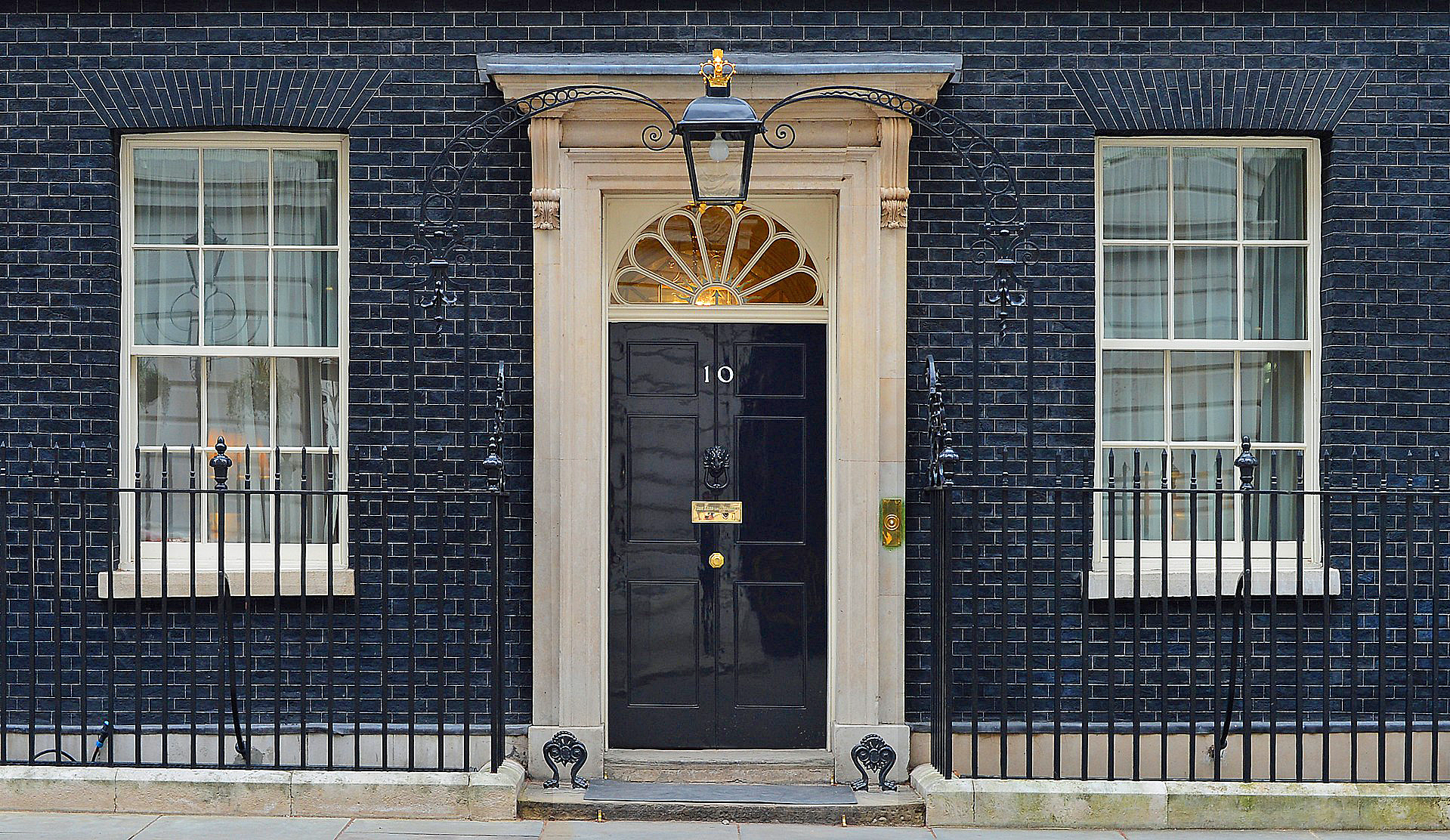
Assuming that the Tories win this election, and he is returned to Downing Street, Sunak has scheduled the first flight for the end of July.
But his critics think that if Rishi Sunak’s Party is routed in next month’s elections, the incoming Government will rip off the Rwanda Pact and offer its solution.
What remains questionable is the amount of money that has gone down the drain in outing the pact in place, not to mention valuable Government time invested in propping up the scheme.
Sunak’s critics are bound to demand explanations from the Prime Minister for his measures to slash illegal immigration by 300,000 annually.
Earlier in the year, there were claims that the British Government had financed the construction of houses to shelter those deported asylum seekers in Rwanda were being sold in the open market by the Government of President Kagame: A claim that was denied and brushed off.
Kagame, on his side, to maintain propriety, had told the British Government that if it did not implement the deportation plan, London could have its money back.
Regarding the crunch, Rwanda may baulk at the idea of refunding money to the British Government, possibly citing its inability to refund. It may turn to the World Bank for a loan to repay Britain!
Sunak has been struggling to resolve the issue of a shaky national economy through his euphoria at the reduction of inflation was like winning the Battle of Waterloo for him and an election booster, but economists saw it as a damp squib…much ado about nothing, to say the least.
The economy continues to suffer with the continued living crisis, high energy costs, unemployment, and poverty.
Similar Posts by Shamlal Puri:
- LONDON PACKAGING WEEK WITH TOP GLOBAL BRANDS ATTRACTS THOUSANDS OF VISITORS
- UK’S NATIONAL HEALTH SERVICE IN BIZARRE COLOUR BAR CRISIS
- UK’S NATIONAL HEALTH SERVICE IN BIZARRE COLOUR BAR CRISIS:
- British PM Andy Burnham’s slams dodgy deals – ending rip-off discounts and subscription traps
- Hundreds Die In Brutal 2026 Summer: Scorching Sun Strikes Britain, Causing Water Shortages And Drought
About the Author