Farmers to Gain as Korea and Kenya Join Hands to Boost Rice Production in Africa

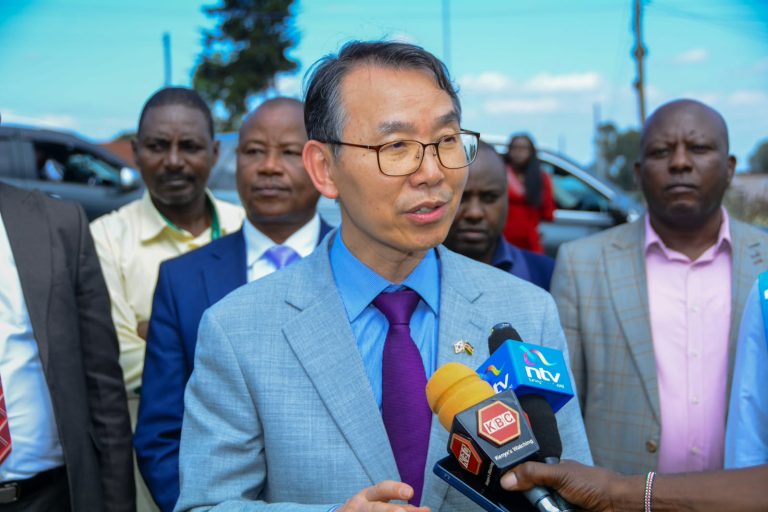
In picture, the 2025 International Symposium on Improving Rice Seed Production Systems in Africa.
By Aoma Keziah,
The Korea Partnership for Innovation of Agriculture (KOPIA Kenya Centre) hosted the 2025 International Symposium on Improving Rice Seed Production Systems in Africa. The event held in Nairobi, could see farmers across Africa benefit from better access to high quality rice seed.
Speaking during the event, Eun-ha Yoo Director of KOPIA Division at the Rural Development Administration in Korea, said the project shows how international cooperation can support local communities.
“When we invest in research together, we create solutions that fit farmers’ needs and local conditions,” she stated.
Through this joint effort, experts are working to strengthen rice farming by producing and distributing better seeds. This is expected to help farmers increase yields and move closer to meeting local demand, reducing the region’s reliance on rice imports.
“This project is contributing to increased rice production. The K-Rice Belt Project will increase rice production and farm income in Kenya by improving the rice seed production and also expand it to other regions of Kenya in the future” underscored KOPIA Kenya Centre Director Dr. Ji Gang Kim.
In his remarks, Dr. Eliud Kireger Director General, Kenya Agricultural and Livestock Research Organization (KALRO), highlighted that the Africa K-Rice Belt project stands out as a flagship collaboration, where it aligns strongly with our government’s Bottom-Up Economic Transformation Agenda (BETA) and the National Rice Development Strategy
“They both prioritize reducing rice imports. With KOPIA’s support, we have made significant strides in strengthening rice seed systems through production of certified rice seed, introduction and testing of improved tongil rice varieties, construction of a modern seed facility at KALRO Mwea, and the establishment of paddy fields for production of high-quality seed at KALRO Mwea Kirogo farm,” he said.
The gathering drew scientists, policy makers and industry leaders from across the continent and beyond. The main focus was to share progress made under the K-Rice Belt seed production project, which is part of an ongoing collaboration between the Kenya Agricultural and Livestock Research Organization (KALRO) and the Rural Development Administration (RDA) of the Republic of Korea.
“ These varieties are under the national performance trial season one and we are going to do another season from October this year so that by next year January, we’ll have results from the national performance trials and once they are passed through most likely by next year they can be released,” explained Dr. Ruth Musila, Director, Kenya Agricultural and Livestock Research Organization (KALRO) Mwea Centre.
The symposium also featured discussions on how to scale up seed production, train farmers and build stronger supply chains. Participants agreed that more partnerships like this one will be essential to achieve food security in the years ahead.
Similar Posts by Aoma Keziah:
- Nationwide Youth Business Drive Enters Last Lap With New Nyota Trainings
- Green Light From Washington Sets G42 On Fast Track to Build Region’s Most Powerful AI Network
- Safina Eyes Kariobangi North Seat in Intensified Push Before Poll Day
- KEBS Opens Talks With Manufacturers On New Standards Levy Order 2025
- Kenya, Uganda And South Sudan Chart Way Forward On East Africa Rail Corridor
About the Author

 The Mt Kenya Times