Forger happy days, fight against social injustice is still elusive even in the UK election year:
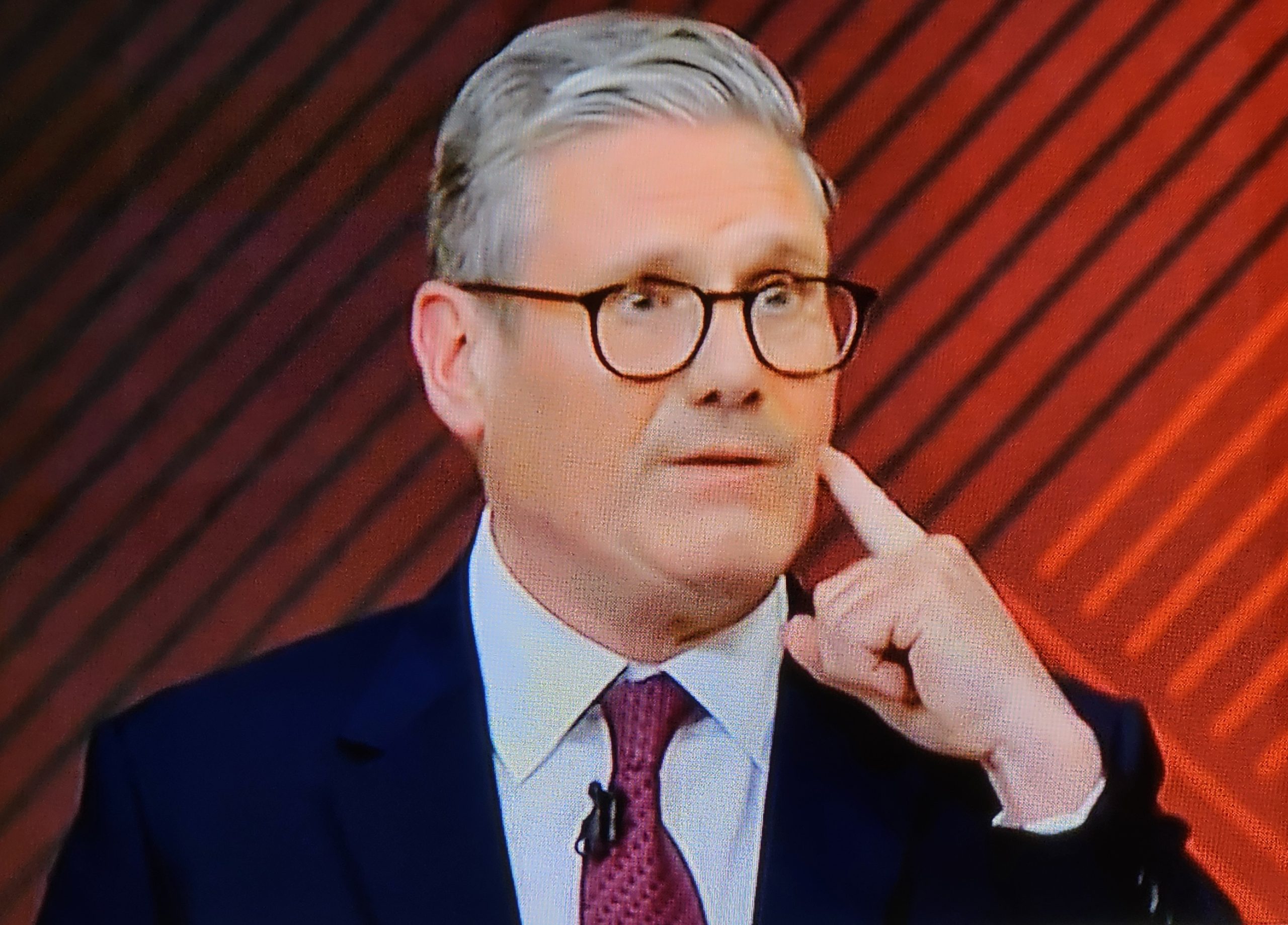
Labour leader Sir Keir Starmer has a lot of hard work tand planniing to do but he faces an uphioll yasl from, some of the British electorate on his manifesto promises.
SOLVING EXTREME POVERTY IN BRITAIN STILL BEATS THE BIG POLITICAL PARTIES
By SHAMLAL PURI in London
Senior Editor – UK and Associate Publisher
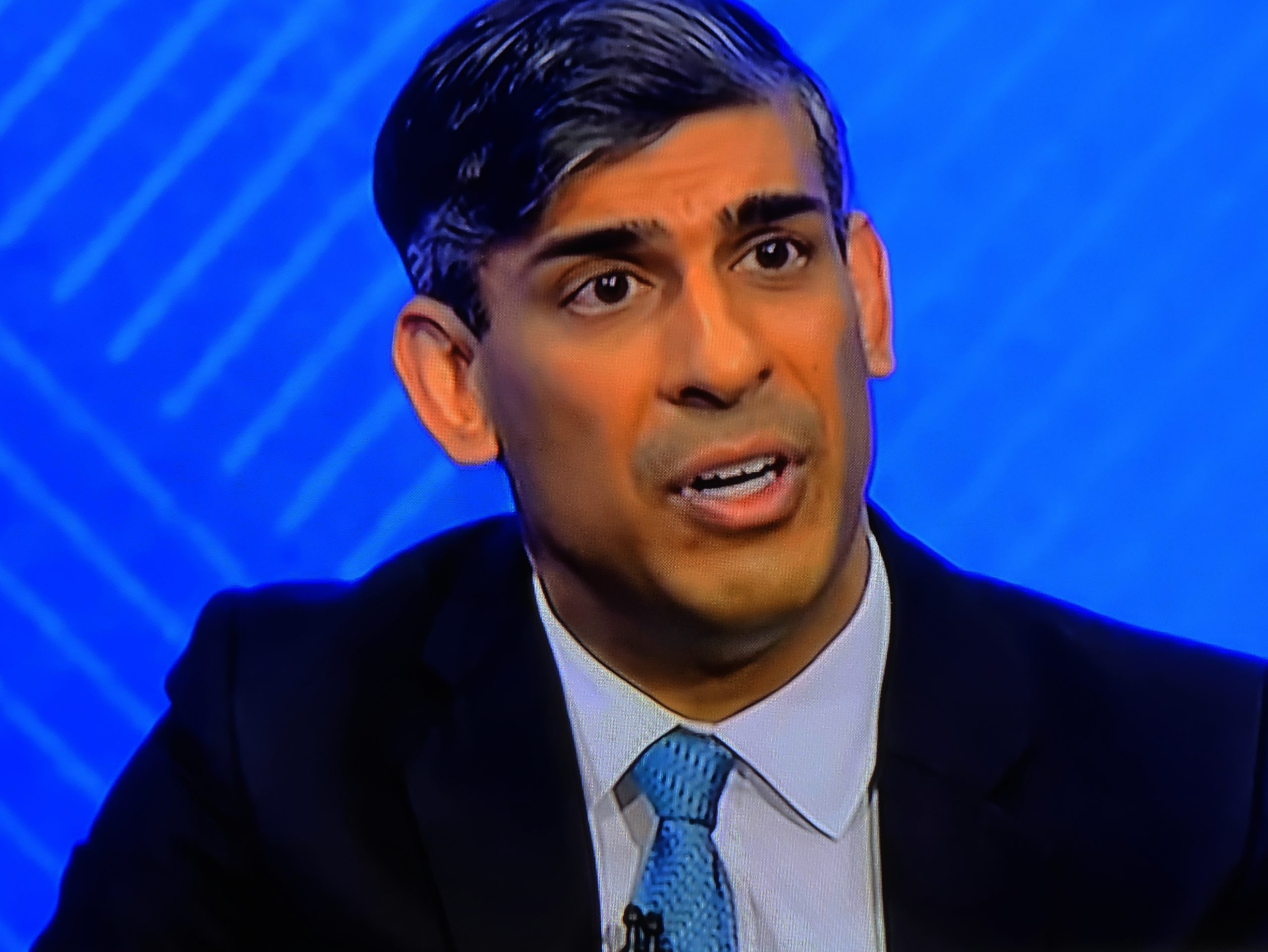
There is a suspicion creeping into the minds of British voters on which of the parties can resolve the crippling poverty and social injustice in a country which was known for compassion and prided itself as the land of milk and honey but seems to have faltered now.
As the General Election campaign enters the fifth week, barely 12 days before July 4, the major parties, Conservatives (Tories) and Labour, are turning the race into a bitter fight to finish.
The Conservatives have recommended that Prime Minister Rishi Sunak ditch typical British courtesies and go for the jugular, making the 2024 election a war of personalities, consequently unleashing serious rifts and even public brawls between opposing Party faithful.
A section of his Party members and supporters has advised Sunak to accelerate personal attacks on Labour leader Sir Keir Starmer, something which could lead to rude, high-decibel behaviour throwing politeness and diplomacy to the winds, something that rarely happens in this part of the world known for politeness and calm controlled behaviour during campaigning.
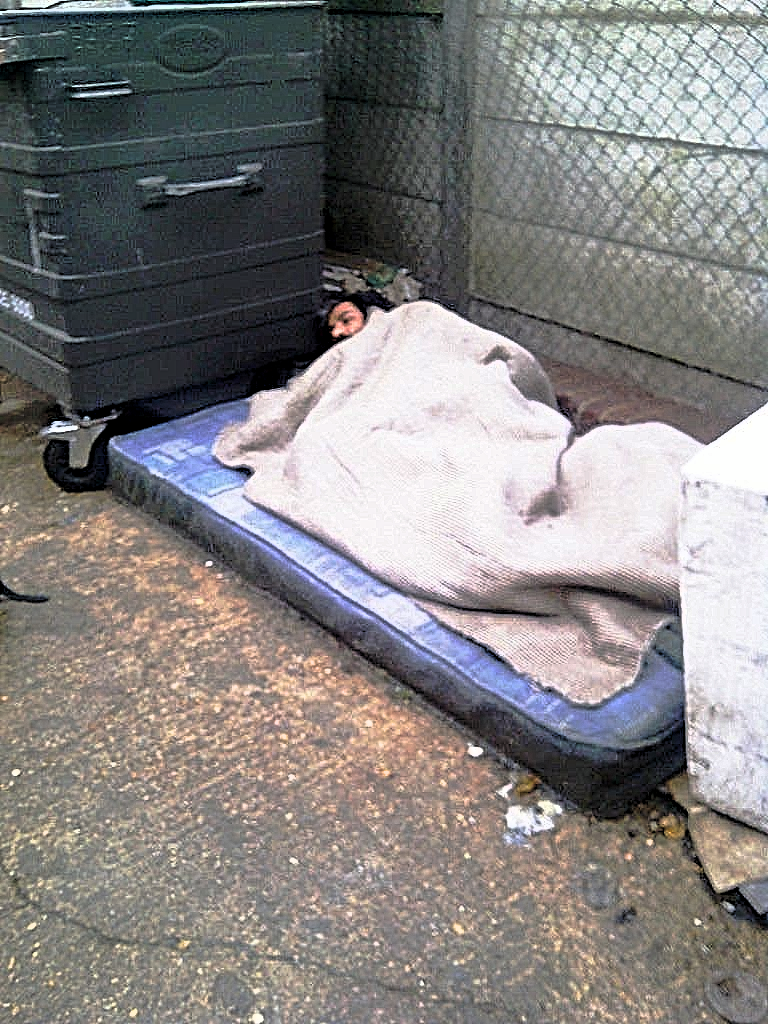
This is bound to change the campaign’s direction, turning the 2024 General Election into a seismic event with verbal tremors and high-decibel attacks on the opposition Labour.
The Conservatives are facing a prospect of winning just over 115 seats, wiping out its 2019 landslide victory of 365 seats, which brought Boris Johnson into Downing Street.
With scores of Conservative MPs who have jumped ship either by resigning, retiring, or defecting to other parties, Sunak’s Party will have a wafer-thin number of MPs contesting in the elections.
It is a well-known fact among Britons that the Conservatives are a party of the rich, by the rich, for the rich. People experiencing poverty have no room in this elitist Party. Most voters think these politicians will push their plight and needs under the carpet amidst their brawls and the aggressive desire to win this election.
One pharmacist said the people who visit his London pharmacy are least bothered who comes into power on July 4 – Labour or the Conservative Party.
He said their main concern is tackling the cost-of-living crisis and how poverty has hit millions of Britons.
They are worried about the issues that have thrown the UK into tough times rather than the personalities – Sunak or Starmer. He said all they demand is someone capable of getting Britain working again.
It is also known that the Conservative Government has raked up a national debt of £2.2 trillion, which must be repaid. So, tax rises are inevitable if the Tories were to win this election.
The Tory-backed media warned that Britain will be bankrupted by Labour pledges in their manifesto.
It cites HSBC’s warning Starmer will trigger higher mortgage bills and a surge in unemployment.
Both parties, fearing rejection at the polls, are not openly discussing the high taxation they intend to impose but instead claim there would be no tax rise, which many Britons feel is a lie.
Behind the scenes, these parties secretly plan their tax regimes, and revelations are coming out of the Labour Party camp that taxes will increase.
On the drawing board is a Council Tax rise of some £1,200 charged by the local government to pay for local services such as rubbish collection, police, and other local government services.
The billions they want to spend to get Britain back in business need money, and neither have the resources to fund their promised pipe dreams of a happy Britain.

If it wins power, prominent Labour MP Wes Streeting, who is Shadow Health Secretary in the Starmer administration, has committed to hitting the four-hour target in the National Health Service (NHS) hospitals in their first term to counter the waiting periods of up to 20 hours in the Conservative Government.
Streeting also promised to boost NHS’s headline performance standards, which would help reduce waiting lists at UK hospitals.
People are going around Britain saying it is not politics that is putting them off but Sunak and Starmer. They find them both too boring.
They believe that none of the duo can return those happy days to Britain.
They are all talk, no tangible results.
Taxi driver Neil said, “Both Labour and Conservatives are useless, giving empty promises and full of lies.”
“The Tories had 14 years to get things sorted out but failed – the Post Office scandal in which honest working sub-postmasters were accused of stealing and jailed, but they were proved innocent, and a computer glitch was the cause which the authorities pushed under the carpet, the shocking blood scandal and environmental damage caused by pollution in British waterways.”
Many Britons are undecided about who to vote for because they face issues none of the parties have fully addressed.
It is widely known that the Conservatives are the Party of the rich, by the rich, for the rich.
The authoritative 2024 Sunday Times Rich List revealed Prime Minister Rishi Sunak and his wife Akshata Murty’s combined personal wealth rose by £122m last year to £651 million,
The couple’s fortune was estimated at £651m in the latest list, up from £529m in 2023.
This was due to Ms Murty’s shares in Infosys, the Indian IT giant co-founded by her father.
According to the annual list of the UK’s most wealthy people, this means they are richer than King Charles III, the current monarch.
Charles III was ranked higher than the Sunak family last year, but his personal fortune is estimated to have grown more modestly over the past year, up £10m to £610m.
The Sunaks were ranked higher than the late Queen in 2022, with Elizabeth, whose personal fortune was evaluated at £370m that year.
This is not to suggest that Sunak has shirked from his duties as Premier, but his critics find that his performance has not been to the mark as the public expected.
There is also an element of feelings of rancour in Joe Public – the man in the street – who resent the wealthy Tories.
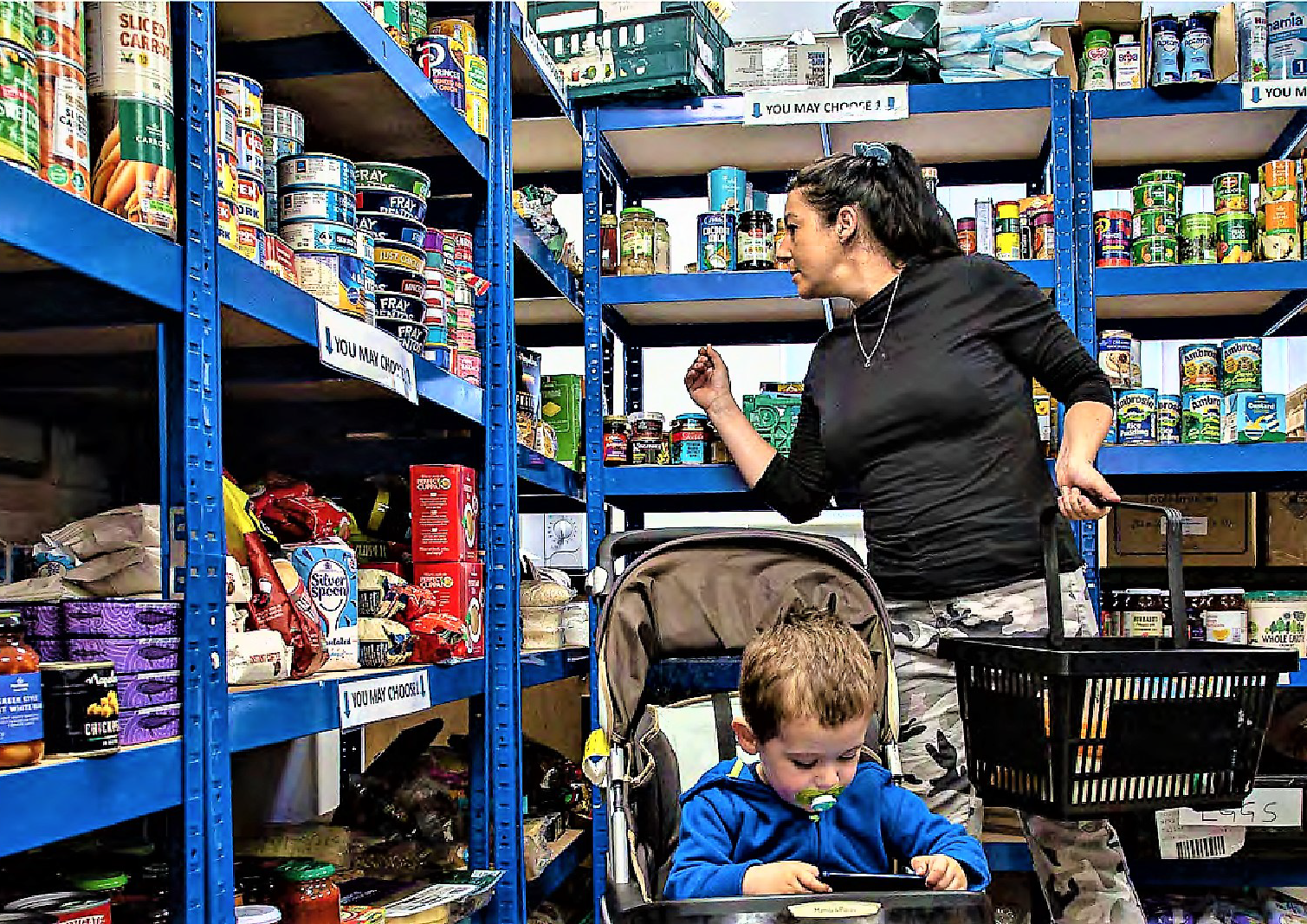
This is because of the lower scale of wealth divide and poverty; the have-nots – millions of Britons who live in poorer areas of the country, are feeling the pinch, demanding answers to resolve their difficulties with jobs, food, accommodation, and growing homelessness.
There are currently more than 271,000 homeless people in the country, and they are increasing periodically.
In the present Conservative days, Britons are bitter that their taxes have increased by £13,000 per household annually since 2019. They say the Tories imposed 27 tax rises in 14 years of their rule.
Labour supporters say Britons are fed up with job stagnation and a fast-paced drop in living standards.
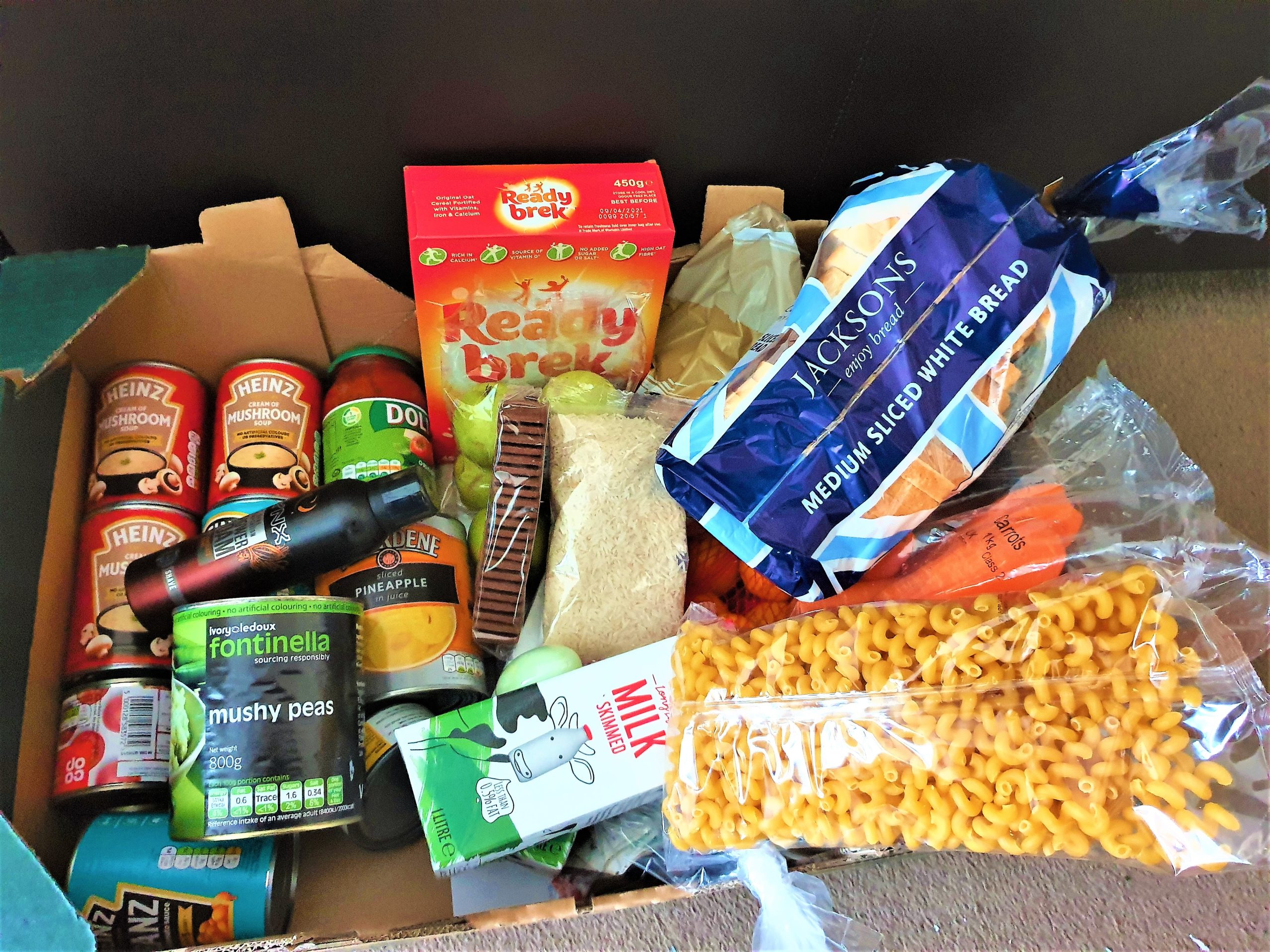
There are 5 million destitute Britons, and more than a million adults cannot afford to eat daily. Some 3 million children go to school hungry because there is no food, or parents sacrifice their meals, leaving food for their children to eat after school.
Some 3 million food parcels were handed out in 2023, and thousands more turn to charity food banks for daily subsistence as there is poverty amid the cost-of-living crisis.
Observers say the situation could worsen.
According to Britons, the country is sleepwalking into a nightmare of bankruptcy.
Several municipal councils in the UK have gone bankrupt due to mismanagement despite charging hefty taxes and hitting local government services.
Critics do not even spare the Labour Party and its historic Socialism label.
Sir Keir Starmer has previously said that he is a Socialist at heart.
Voters fear the return of Socialism and control of trade unions, which Conservative Prime Minister Dame Margaret Thatcher saw off during her time in Downing Street. The question of a rise in taxes remains a sore point in both the Conservatives and Labour sides.
They feel that the government that wins the election, the people who will be running the country, will unleash tax increases to pay for the billions of Pounds of spending they have declared in their manifesto, not to mention the £20 billion of cuts in the public services planned behind the closed doors.
Leaders may label these cuts as “efficiency savings,” but they will hurt the average Briton on the street if austerity is imposed.
It would be a pipe dream for anyone living in poverty to find themselves suddenly with much-needed homes or food.
The number of homeless is rocketing daily, and people need help.
Will Labour’s Starmernomics work for the UK in 2024? That’s the moot question.
Under the Tories, people struggle for survival; many are in substandard accommodations or growing families in damp, tight, tiny, self-contained rooms where one can hardly swing a cat.
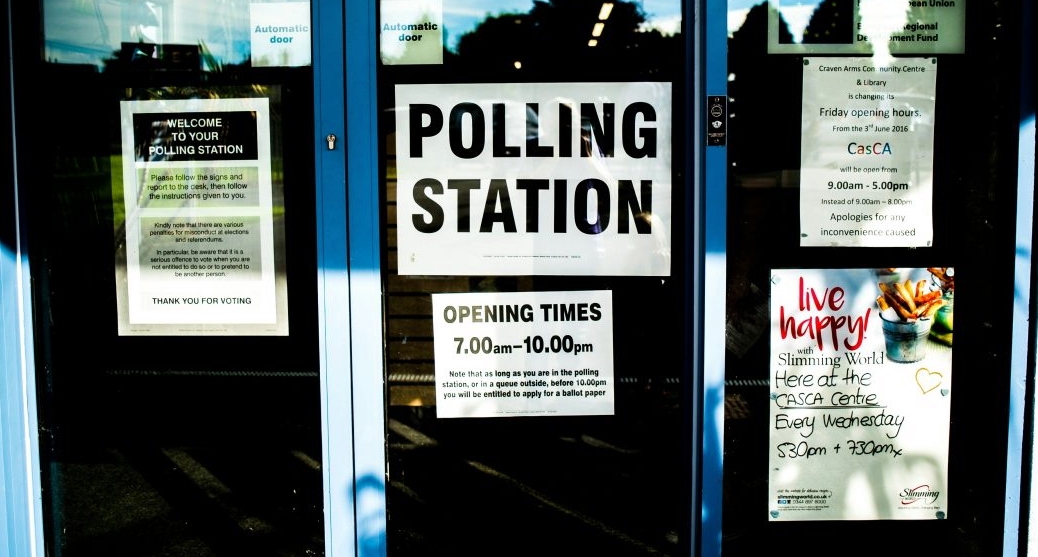
They are still grateful to have a roof over their heads, but others are not so lucky. They have to sleep on the pavements, in alleyways, near shop fronts.
Some homeless people have tragically died or have been murdered while sleeping outside.
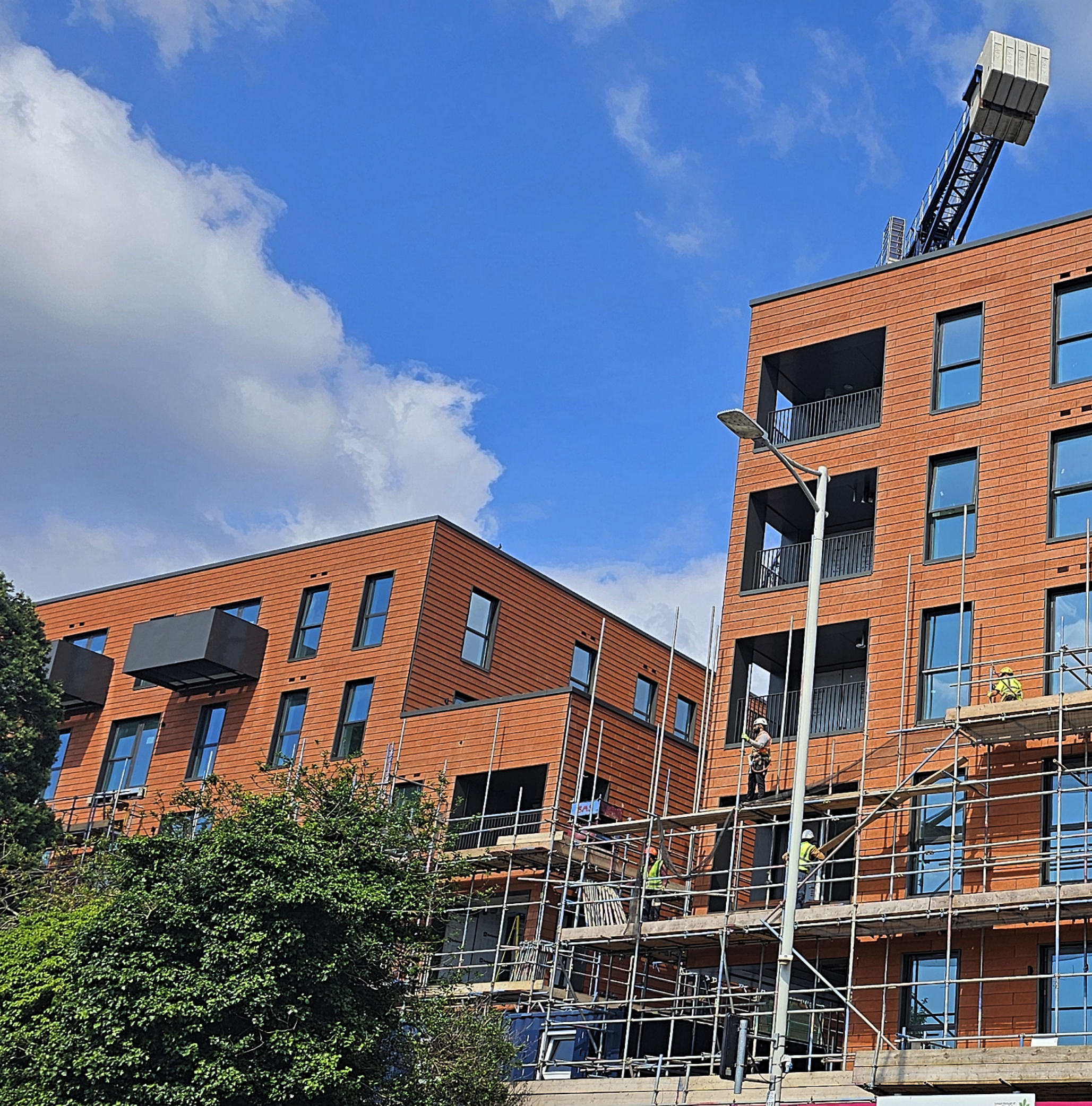
Both the main parties have agreed that they must build at least 300,000 new houses yearly to accommodate the growing number of homeless people.
Many Britons are more concerned about the outcome of the elections on July 4 than petty party politics because Britain has never been in such a worse position than this time.
People do not trust their politicians anymore, says market trader Joe. They say something but mean the opposite, he says.
“Their promises are like crumbling cookies,” he said sardonically.
While there may be many outspoken critics of the current government, the silent Conservative voter is caught between disillusionment, fear of what lies if Sunak is returned to power and traditional familial loyalty to the Party.
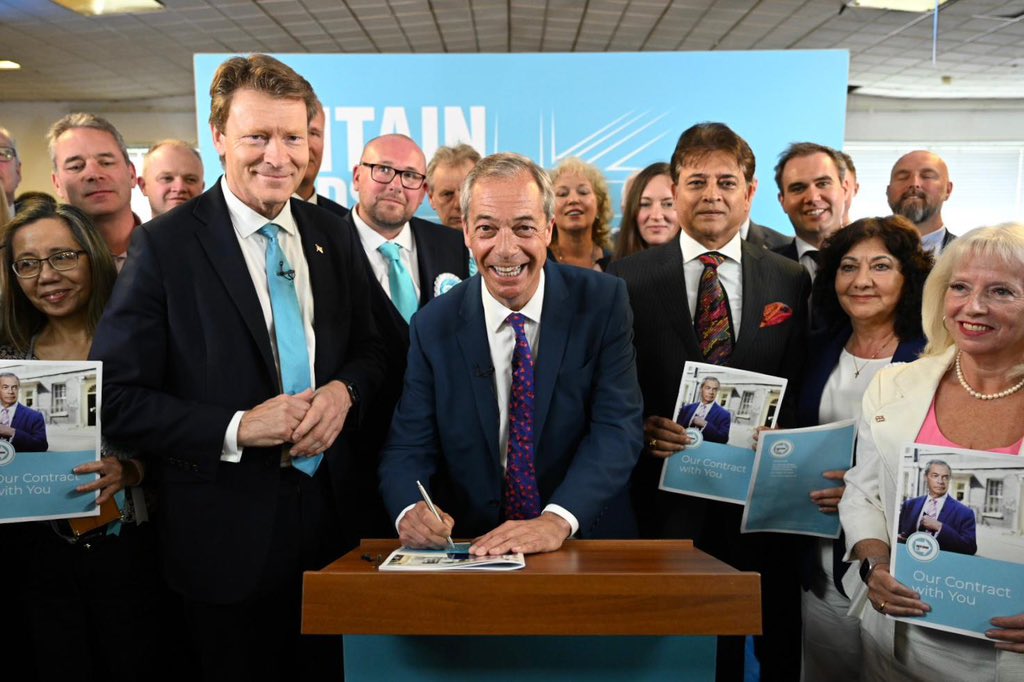
There are no doubts hundreds of Tory supporters are voting with their feet, this time turning primarily to Labour or, in desperation, to the right-wing Reform UK led by Nigel Farage, a politician who has failed to win a seat in the elections.
His agenda smacks of confusion and, without doubt, a growing fear of sparking race bias.
His stand on immigration is well-known through his earlier leadership of the United Kingdom Independent Party (UKIP), which failed to make impressive inroads into UK politics.
At that time, UKIP was compared with the policies of Tory MP Enoch Powell, whose Rivers of Blood speech stirred racial hatred at the time and the rise of the National Front and subsequent riots in the United Kingdom.
Decades down the line and in a country that has assimilated cultures, it would be a journey of serious downfall if this racial hatred were reignited.
In a worrying about-turn, Mr Farage recently stirred the hornet’s nest when he announced that he would contest the July 4 election as an anti-immigration Reform Party candidate, leading to renewed fears amongst diasporans who have worked relentlessly on building race relations.
His supporters, some of the diaspora, are backing him in that Mr Farage may be moving with the times and synchronised his thinking, knowing the UK is a rainbow of cultures.
Britons get new polls daily in the run-up to the election day.
Some may be honest, and others may be biased in favour of a single party.
This week, an Ipsos General Election poll delivered a clanger: The Tories face the worst result ever as Labour eyes 450 seat landslide majority.
The poll in the London Evening Standard forecast many senior and junior cabinet ministers in the Sunak Government losing their seats, leaving the Conservatives slumped with just 115 MPs and that too if they stay in the Party and do not cross the floor before the election.
The poll says Labour is heading for the biggest majority of any post-war government in the UK.
Ipsos poll estimates Labour would grab 43% of the vote, securing 453 seats, leaving the Conservatives with a wafer-thin presence of 115 MPs in its worst-ever defeat.
There is a growing fear that top-name Cabinet Ministers such as Grant Shapps, Penny Mordaunt, Gillian Keegan, Johnny Mercer and Sir Jacob Rees-Mogg, a long-time supporter of former Prime Minister Boris Johnson, could lose their seats.
Defence Secretary Mr Shapps raised the white flag last week, conceding the Conservative Party’s defeat.
The Bank of England’s heartwarming announcement of the inflation returning to Bank England’s 2% target for the first time since July 2021 would be a shot in the arm of Conservatives’ rapidly fledgling popularity among the voters.
Measured by the Consumer Prices Index (CPI), which rose by 2% from 12 months to May 2024, it is now down from 2.3% in 12 months to April. The biggest downward contribution to the fall of inflation came from food-price inflation, which dipped to 1.7% in May, making it the lowest rate since October 2021.
This has yet to be translated into the pockets of British consumers who still complain that the quantities offered in packed items decrease in weight, and prices still are at their original weight or increase.
This is called shrinkflation or skimpaflation, in which thousands of products from butter, soap, bread, and toothpaste are hit.
A tub of butter previously weighing 500 grams has gone down to 450 grams,
Jo, a senior citizen shopper in London, complained that her pension was barely enough to afford the luxury of butter.
Eleven sunrises and sunsets remain until the July 4 polls, and Britons are waiting to cast their votes.
Similar Posts by Shamlal Puri:
- LONDON PACKAGING WEEK WITH TOP GLOBAL BRANDS ATTRACTS THOUSANDS OF VISITORS
- UK’S NATIONAL HEALTH SERVICE IN BIZARRE COLOUR BAR CRISIS
- UK’S NATIONAL HEALTH SERVICE IN BIZARRE COLOUR BAR CRISIS:
- British PM Andy Burnham’s slams dodgy deals – ending rip-off discounts and subscription traps
- Hundreds Die In Brutal 2026 Summer: Scorching Sun Strikes Britain, Causing Water Shortages And Drought
About the Author