Gulyamova Aziza Sarvar

Gender inequality is a major problem worldwide and refers to the lack of equal rights and opportunities between women and men.
Reasons
- Historical and cultural traditions: In many societies, historical and cultural traditions have caused women to be treated as second-class citizens. These traditions often restricted women to family and domestic work.
- Lack of education: Educational opportunities for girls are limited in many developing countries. This limits their future professional opportunities and economic independence.
- Labor market discrimination: Women often work in low-paid, low-status jobs. And their opportunities to rise are limited.
Effects
- Economic harm: Gender inequality has a negative impact on economic development. Women’s inability to fully enter the labor market hinders economic growth.
- Health problems: Gender inequality exacerbates health problems. Women often do not have or have access to the resources they need for their health.
- Low level of education: When girls are not educated due to gender inequality, it reduces the overall literacy level in the society and limits the opportunities of future generations.
Solutions
- Improving education and training: Expanding educational opportunities for girls and removing all barriers to their education.
- Legislation Strengthening: It is necessary to strengthen the legislation against gender inequality and ensure their implementation. Strong laws should be enacted to eliminate practices that discriminate against women.
- International cooperation: International cooperation and exchange of experience are important in the fight against gender inequality. International organizations and governments need to work together.
The problem of gender inequality is complex and multifaceted, but it is necessary to take concrete and systematic measures to solve it. Ensuring equal rights and opportunities between women and men is an important factor for the sustainable development of society
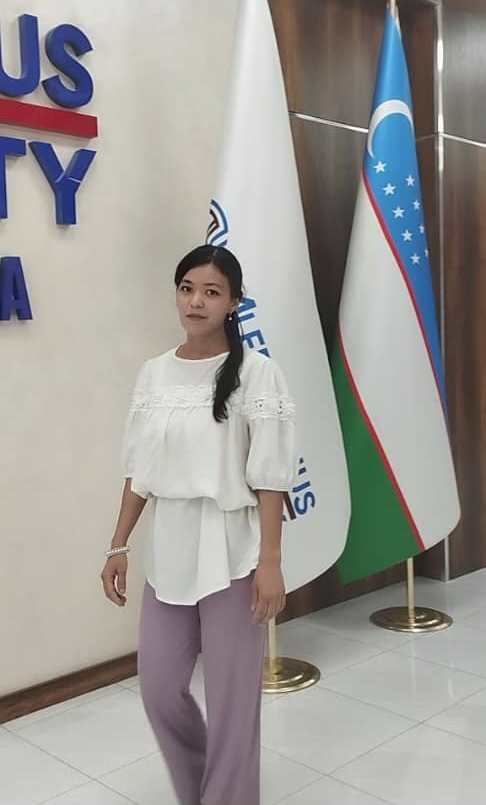
I was the daughter of Gulyamova Aziza Sarvar, born on June 15, 1992 in Tashkent. My nationality is Uzbek. There are 5 people in our family. Father, my mother, my two brother.
I entered secondary special school in 1998 and graduated in 2007 with honors. After graduating there, in 2007, I entered the P. F. Borosky Medical College. In 2023, I was assigned to the Psychology Department of the Pedagogical Faculty of Alfraganus University, and now I am a 2nd year student.
Similar Posts by The Mt Kenya Times:
- Mt Kenya Times ePAPER October 23, 2026
- Ruto’s parting COMESA call: Remove the barriers, honour the commitments
- Direct hospital access to KEMSA cuts drug delays, says PS
- Africa can’t wait: Continent seeks $1 trillion for climate adaptation
- Ruto passes the baton as Africa’s trade bloc faces a fragmenting world
About the Author