Ghost Examiners And The Crisis Of Integrity In Kenya’s Education System

By: James Kilonzo Bwire
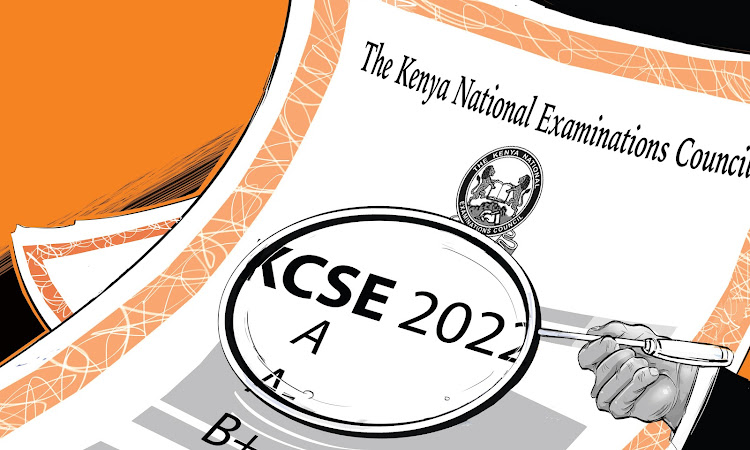
The audit revealing that the Kenya National Examinations Council (KNEC) paid Sh2.8 million to 203 ghost examiners during the 2022 Kenya Certificate of Secondary Education (KCSE) examinations serves as a stark reminder of the systemic issues plaguing Kenya’s educational assessment framework. This revelation raises serious concerns about financial accountability and highlights a significant lapse in oversight within KNEC, an institution tasked with ensuring the integrity of national examinations.
The fact that these ghost examiners were not validated in KNEC’s database suggests a troubling disregard for due diligence. Such oversights can have far-reaching implications, undermining public trust in the examination system and raising questions about the legitimacy of the qualifications awarded to students. In an era where educational integrity is paramount, incidents like these erode confidence among stakeholders, including students, parents, and educators.
This situation is indicative of broader governance challenges in Kenya, where corruption and mismanagement frequently undermine public institutions. The KNEC audit findings should serve as a wake-up call for policymakers to prioritize transparency and accountability in educational assessments. Without significant reforms, the credibility of national examinations will continue to be compromised, leaving students’ futures hanging in the balance.
Moreover, the ramifications of this audit extend beyond financial mismanagement. They reflect a culture of impunity that has permeated various sectors in Kenya. If KNEC can operate without proper validation processes, what does this say about other government agencies? The lack of accountability fosters an environment where unethical practices can flourish, ultimately harming the very fabric of society.
To restore faith in the examination system, KNEC must take immediate action to rectify these lapses. This includes implementing stringent verification processes for examiners and ensuring that all payments are made only to validated personnel. Additionally, KNEC should engage independent auditors to conduct regular checks on its operations, thereby enhancing transparency and accountability.
The government must also take a proactive stance by enacting policies that promote ethical conduct within public institutions. This could involve establishing whistleblower protections to encourage reporting of irregularities without fear of reprisal. By fostering a culture of integrity, Kenya can begin to address the systemic issues that have plagued its educational system for far too long.
Furthermore, public awareness campaigns are essential to educate citizens about their rights and the importance of accountability in public service. An informed populace is better equipped to demand transparency from their leaders and hold institutions accountable for their actions.
As Kenya grapples with these challenges, it is crucial for stakeholders—ranging from government officials to civil society organizations—to collaborate in advocating for reforms that enhance the integrity of national examinations. The recent audit findings should serve as a catalyst for meaningful change rather than a mere footnote in the ongoing narrative of corruption and mismanagement.
In addition to addressing immediate political concerns, this crisis highlights the need for comprehensive reforms within KNEC itself. The council’s liabilities amounting to Sh4.1 billion far exceed its assets valued at Sh2 billion, leading to a negative working capital situation that raises doubts about its ability to meet financial obligations. Such financial instability must be addressed urgently if KNEC is to regain credibility.
Moreover, the report indicates longstanding issues such as dormant donor funds totaling Sh164 million meant for educational projects that have remained unutilized for 17 years. This stagnation reflects poorly on KNEC’s management capabilities and further underscores the need for reform.
The audit also revealed discrepancies in invoicing practices and payments related to examination fees totaling Sh3 billion. Such inconsistencies not only point to weak financial controls but also highlight a lack of effective oversight mechanisms within KNEC. These issues must be rectified to ensure that funds are utilized efficiently and transparently.
As stakeholders push for change, it is essential that they remain vigilant against complacency. Previous audits have flagged similar issues without significant corrective action taken by KNEC as of June 30, 2023. This pattern must be broken if there is any hope of restoring public confidence in Kenya’s educational assessment system.
In conclusion, the revelation of ghost examiners within KNEC is not just an isolated incident; it is emblematic of deeper issues within Kenya’s governance structures. For the sake of future generations and the credibility of its educational system, Kenya must prioritize reforms that ensure accountability and integrity in all public institutions. Only then can it hope to build a society where meritocracy prevails and every student has an equal opportunity to succeed based on their abilities rather than systemic failures. The time for action is now; failure to act will only perpetuate a cycle of mistrust and inefficiency that ultimately harms our youth and our nation’s future.
James Kilonzo Bwire is a Media and Communication Practitioner.
Similar Posts by The Mt Kenya Times:
- Mt Kenya Times ePAPER October 26, 2026
- Sakaja challenges Kamukunji police over Eastleigh suspect bail
- Muturi demands binding livestreaming rules for 2027 polls to prevent repeat of 2022 chaos
- NTSA calls for road safety to be declared a national disaster after 24 die in Mtito Andei crash
- Ruku turns on Waiguru over deputy president ambitions: ‘That seat is not being contested for’
About the Author