Gold’s Double Nature: The Price And Prize Of Nyalgunga’s Mining Story

By: Faith Mwangi
The morning sun illuminates the dusty pathways to gold mines in Nyalgunga as, for another day, Stephen Otieno, who has been in charge for five years, into the thin line separating hope from hard work. “Gold mining is both a blessing and a curse,” he says, his gaze following miners disappearing into narrow shafts that honeycomb the earth beneath their feet.
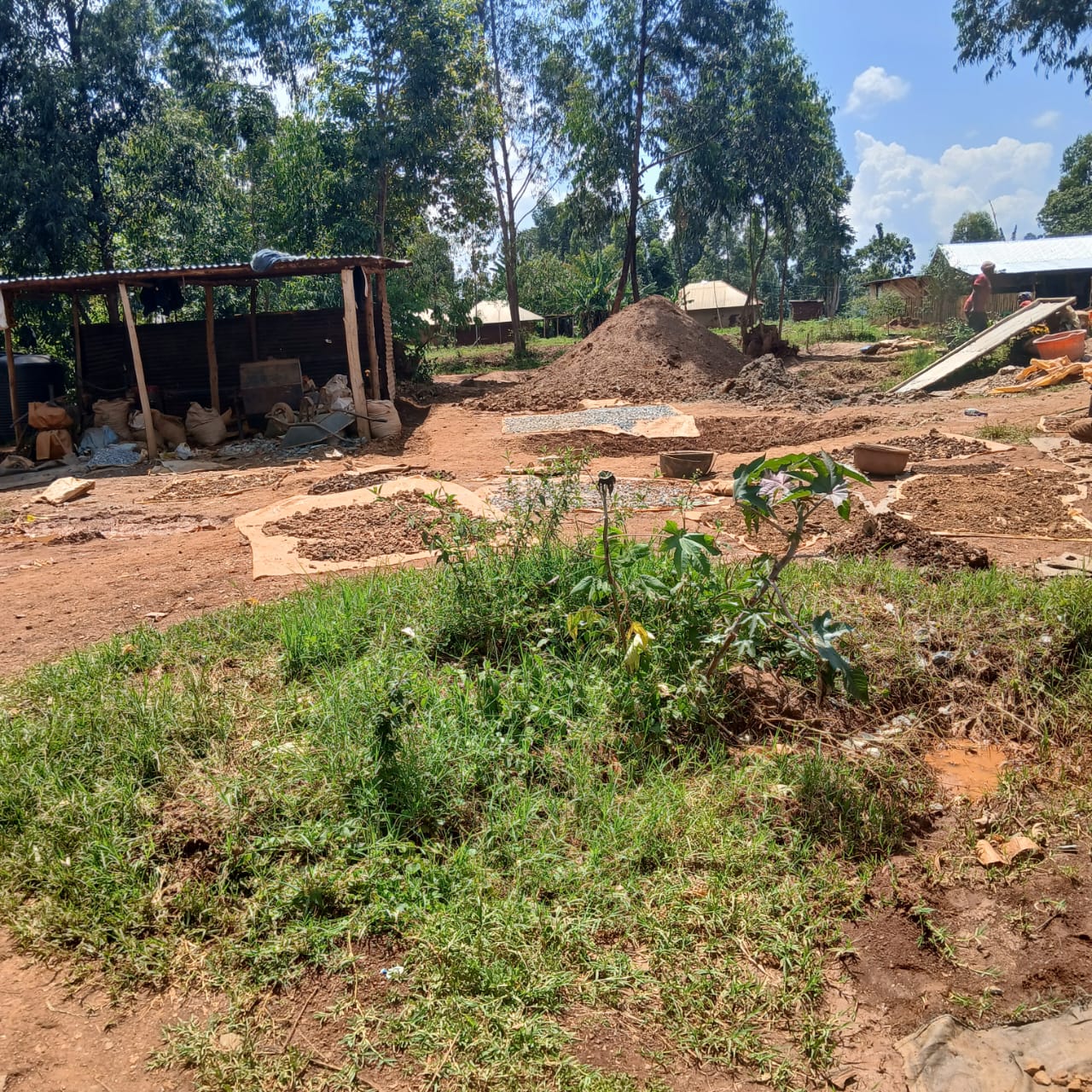
This is conspicuous because the positive impact of mining has been felt on the ground with the sprouting of small businesses that have lined up around the mining area. What was a quiet farming village turned into an action centre for various economic activities. “Before mining started here, many families were struggling to meet their minimum needs,” he said, gesturing towards several kiosks and food joints lining the routes that lead to the mine. “Now, our miners can send their children to school, build better homes, and even put away for savings.
The trickled-down economic effect does not stop with the miners themselves. Locals have opened small restaurants to feed the workers, while others sell vital supplies. Youths who once migrated out of the village in search of opportunities in the city are back in town, lured by promises of mining work. “The mine has become the heart of our local economy,” Otieno says with a hint of pride in his voice.
On the other hand, against this gain in economics stands the dark side of mining activities, casting a long and bothering shadow. The once fertile land is scarred with innumerable pits and tunnels. “This is the price we pay,” he admits, his expression serious as he looks upon the now-changed landscape. Water sources that used to serve the community have been adulterated and have caused the residents to go further to get clean water. The fact that dust is always present in the air has brought about respiratory problems among miners and members of the community.
Health concerns continue to plague the mining operation, despite Otieno’s every effort to bring safety precautions into play. “We do what we can with our limited resources,” he says, adjusting one of the support beams in a shaft. The miners face daily risks of tunnel collapse, dust inhalation, and physical demands from doing much of the labour by hand. In effect, without modern machinery, almost all the work is done manually-a condition that only raises the danger factor and body wear.
Socially, too, the fabric of this community has also stretched considerably. Farming, which was once an endearing way of life for the people, has gradually degraded as more and more people become interested in mining. “Some youth drop out of school, lured by dreams of instant wealth,” Otieno says with a tinge of sadness. “We try to discourage this, at least till they are 18 years old, but the allure of quick money is strong.” Where productive mining sites become more valuable, land disputes have emerged, sometimes splitting families and straining long-standing community relationships.
Among those challenges, however, come sources of hope. Otieno has been implementing critical safety measures and regular medical check-ups for miners. The community has revived pockets of land with tree planting over abandoned mines. Sometimes, there are community gatherings to talk about challenges and ways to sustain mining on a low level. “We learn from our mistakes,” Otieno said, indicating an area that had been rehabilitated after saplings started to grow.
The economic benefits continue to provide crucial support for local development. Mining proceeds have helped build new classrooms at the local school and supported a small health clinic. Families once living in extreme poverty now have metal roofs over their heads, and can afford better nutrition for their children. Some miners have even managed to save enough to start small businesses, diversifying the local economy.
As the sun sets over Nyalgunga, casting long shadows over the mining landscape, Otieno reflects on that delicate balance they try to reach: “Mining is not just removing gold from the earth,” he says reflectively. “It’s about creating a future for our community while trying to limit the damage to our environment and social structures. Every day, we learn how to do it better.”
The gold mining activities at Nyalgunga are a microcosm of the bigger challenges starting small-scale mining communities across Kenya. It’s about survival and change, communities coping with adapting to that change without losing what matters most. Otieno, along with his miners, continues to get up daily to delve for an ounce of gold as they also look for ways to ensure the price paid for progress does not outweigh its benefits. As Otieno summarizes, “Our ultimate goal is to make sure that when the gold is gone, we leave behind a community that’s stronger and not weaker than we began with.
Similar Posts by The Mt Kenya Times:
- A passport or a laptop: How young Kenyans are finding work beyond home
- Why schools lose parents — and how words can win them back
- Her pen is your lifeline
- Kampala’s last cathedral
- Xadicha Sulaymonova was the First Uzbek Female Legal Scholar
About the Author