By: Aheraza Stephen
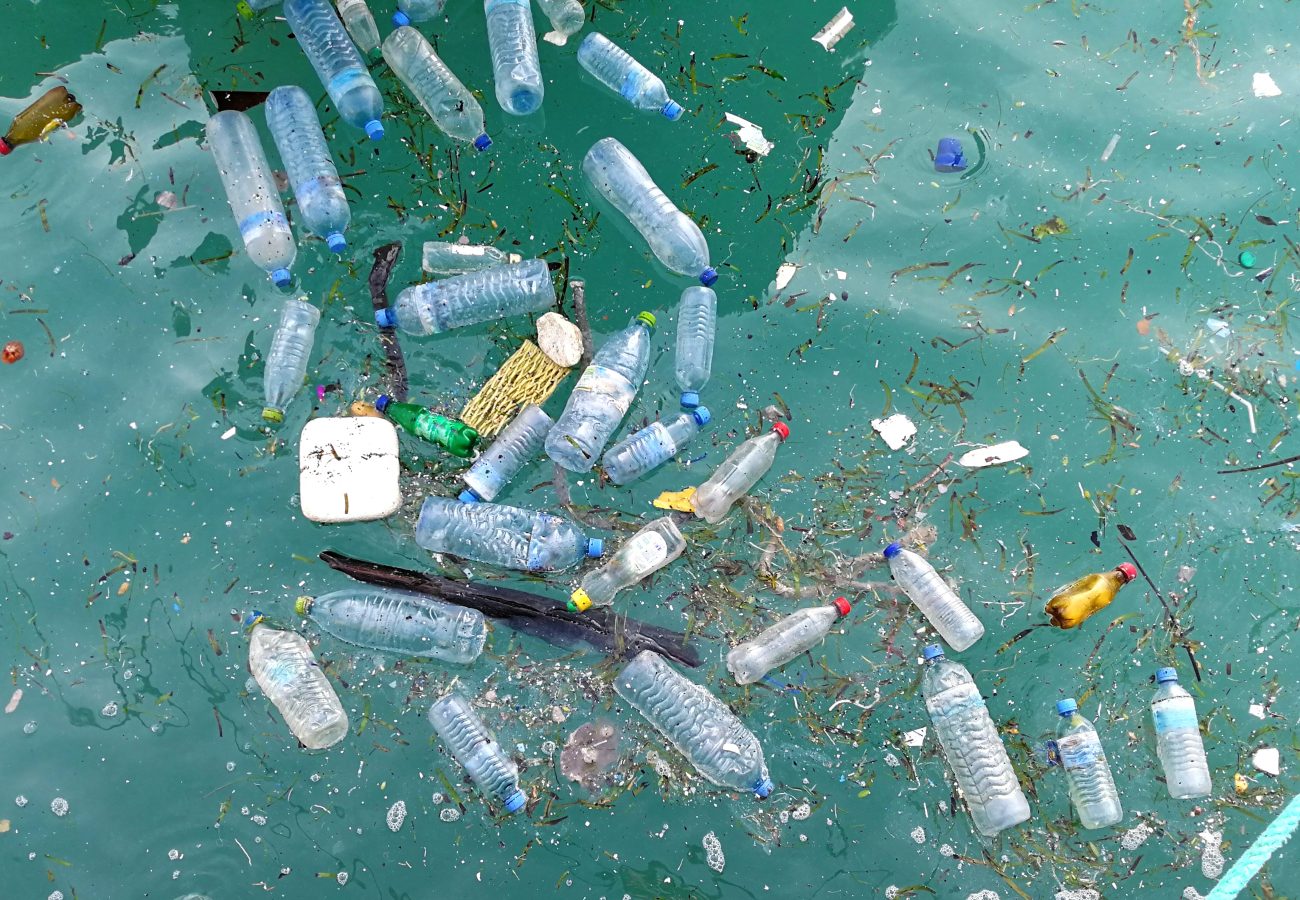
Plastic pollution is one of the greatest dangers to the environment threatening the biodiversity and ecosystems posing serious risks to public health and the country’s sustainability. In Uganda, about 600 metric tons of plastic waste are generated daily increasing climate change risks and health issues with Kampala being the major contributor to plastic pollution. Rapid urbanization and population growth have led to increased plastic consumption yet the waste management infrastructure remains under developed, for example water bodies are more vulnerable to plastic pollution. These plastics are a danger to the environment in different ways when collected by a network of pipes or channels and conveyed to a single point of discharge, they create blockages not allowing water to move freely and as a result drainage channels are blocked causing floods that end up destroying lives and property, this also threatens the marine life as animals become entangled in plastic debris and this has increased hunger scenarios to some communities that depend most especially on fishing.
Furthermore, Plastic pollution is also a threat to the terrain, water infiltration is another threat caused by plastic pollution water does not enter the soil and as a result heavy runoffs occur causing soil erosion and washing away the top layers of the soil increasing soil infertility cases that may lead to poor or reduced crop yields, low productions, food insecurities and economic hardships for farmers and hence greatly undermines critical economic sectors like agriculture and tourism.in Uganda, there is a common habit of burning these plastics which I think is not the most sustainable way of compounding plastic pollution. When plastics are burnt, harmful toxins are released into the air exacerbating air pollution contributing to respiratory problems and other health issues and also contributing to the greenhouse effect.
Although measures have been developed to address plastic pollution, a number of factors have also significantly affected the implementation of these measures, making the struggle to bring plastics to an end so difficult to archive.
More so, In July 2009, when the state minister for environment announced the ban on the production, importation and use of polythene bags, this ban was not enforced due to the weak and inconsistent management system allowing the continued proliferation of these harmful plastics. While there is a high urge to end plastic pollution, the country’s waste management infrastructure is inefficient, there is also limited funding to the recycling initiatives and most importantly poor policy implementation bringing the urge to zero energy.Additionally,limited coordination among the stakeholders and a lack of public awareness have further hindered progress. Also, rapidly increasing population means increasing demand and consumption and inreacreasing waste generation putting pressure on management infrastructure and the waste management system in general.
I therefore suggest and urge the government to revisit its policies on plastic pollution now with a good action plan for the implementation of the policies and strategy. Uganda has a national strategy for the management of plastic pollution thou it lacks proper implementation and enforcement and this should focus on teaching different stakeholders their roles and responsibilities for proper implementation.
In addition, the government should look into alternatives like eco-friendly bags made from materials like fabric, natural fibre and paper and make them affordable and available to the public, a comprehensive approach to waste management is crucial in phasing out plastics and this includes better collection, transport, disposal and the recycling infrastructure. The government should also systematically phase out the use of polythene bags so as to limit the impact of the elimination of the industry on the economy.
More so, environmental monitoring and evaluation should also be emphasized to assess the progress of the implementation.
In conclusion, for Uganda to tackle plastic pollution effectively, stronger enforcements of existing policies, substantial investments in infrastructure and widespread public education on the dangers of using plastics to change their mindset should be observed.
For God and my Country
Aheraza Stephen
Climate Activists
Similar Posts by The Mt Kenya Times:
- Mt Kenya Times ePAPER October 22, 2026
- Ruto heads to Harare for COMESA summit on trade and regional security
- Mudavadi and Wetangula walk out as Sifuna speaks at Nabwera memorial
- Police accountability on trial as seven officers face probe over journalist’s arrest
- Learners, teachers graduate from thrive for good organic farming training
About the Author