Green Belt Movement concerned over plans to excise Uhuru and Central Parks for Highway expansion
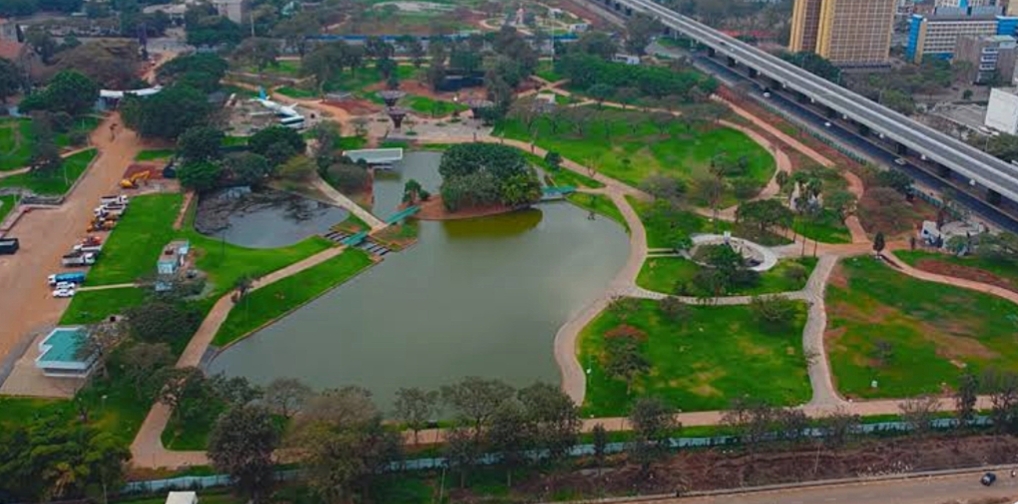
Airview of Uhuru Park.
By WMW
The Green Belt Movement (GBM) has sounded the alarm over reports that portions of Nairobi’s iconic Uhuru Park and Central Park could be excised to pave the way for the expansion of Uhuru Highway, warning that any such move would face close scrutiny and must comply fully with the law.
In a statement issued yesterday, the environmental organization said it had received credible reports indicating that survey beacons had already been placed within sections of the two parks, suggesting that preliminary preparations for the project may be underway.
The development has sparked concern among environmental advocates and citizens who view the parks as vital public spaces that provide ecological, recreational and cultural value to the city.
GBM noted that the reports come amid growing pressure on Kenya’s public green spaces from infrastructure projects, commercial developments and shifting land-use priorities. According to the organization, the loss of urban parks would undermine biodiversity conservation, weaken climate resilience efforts, negatively affect public health and compromise Kenyans’ constitutional right to a clean and healthy environment.

The organization emphasized that both Uhuru Park and Central Park are protected public land under the Constitution of Kenya and are gazetted public recreational facilities held in trust for current and future generations.
“Any proposal to excise, alienate, reduce or change the use of these parks must strictly comply with the law,” GBM stated.
The movement outlined several legal requirements that would need to be fulfilled before any portion of the parks could be acquired or repurposed. These include approval by the Nairobi City County Assembly, public participation, gazettement procedures, approval by the National Land Commission (NLC), Environmental Impact Assessment processes and licensing by the National Environment Management Authority (NEMA), as well as the necessary survey and land registration procedures.
GBM has called on key government agencies, including the Kenya National Highways Authority (KeNHA), Nairobi City County Government, NLC, NEMA, the Ministry of Roads and Transport, and the Ministry of Lands, Public Works, Housing and Urban Development, to publicly disclose whether any approvals, assessments, consultations or surveys related to the proposed acquisition of land from the parks have been initiated or completed.
Specifically, the movement wants KeNHA to clarify whether plans exist to acquire any portion of Uhuru Park or Central Park for the highway expansion, disclose the acreage involved, explain the legal basis for the acquisition and release any environmental, social or feasibility studies undertaken.
The Nairobi City County Government has been asked to reveal whether public participation processes have been conducted, provide records of consultations and indicate whether the County Assembly has considered or approved any proposal affecting the status or size of the parks.
The National Land Commission has also been urged to state whether it has received or approved any requests relating to the acquisition or change of use of land within the parks, while NEMA has been asked to disclose whether any Environmental Impact Assessment studies have been submitted and whether any environmental licences are under review or have already been issued.
 GBM stressed that public participation is a constitutional requirement and not a procedural formality.
“Decisions affecting public land and public resources must be undertaken transparently, lawfully and with the meaningful involvement of citizens,” the statement said.
The movement further highlighted the historical significance of Uhuru Park, describing it as a symbol of environmental justice and democratic participation. It recalled the successful campaign led by the late environmentalist and Nobel Peace Prize laureate Professor Wangari Maathai to protect the park from development projects in the past.
GBM also expressed concern over the continued restriction of public access to Central Park despite court orders directing that the facility be reopened to the public. The organization argued that the situation demonstrates the need for stronger accountability in the management of Nairobi’s green spaces.
At a time when cities worldwide are expanding urban green cover to address climate change, improve public health and enhance quality of life, GBM said Nairobi should prioritize the protection and restoration of its public parks rather than reducing them.
The organization vowed to closely monitor developments surrounding the reported project and pledged to pursue legal, advocacy and civic action where necessary to protect the two parks.
It also called on Kenyans, civil society groups, professional organizations and environmental defenders to remain vigilant and demand transparency and accountability from public institutions.
“These parks are public assets held in trust for all Kenyans and future generations,” the movement said.
Similar Posts by The Mt Kenya Times:
- Mt Kenya Times ePAPER September 17, 2026
- Ruto and Uhuru: The rupture at the heart of Kenya’s 2027 election
- Gakoromone traders and rights group demand closure of sewage discharge
- Retirement is not disenfranchisement: Reclaiming the constitutional rights of Kenya’s former presidents
- Kenya’s 2027 election: Can technology strengthen democracy or manipulate voters?
About the Author