Big propaganda push... Boris Johnson was in the forefront of pushing the UK to quit the European Union. Here he distributes Leave leaflets to a crowd of supporters.
WAS BRITAIN’S DIVORCE FROM THE EUROPEAN UNION A BLESSING OR A RECKLESS POLITICAL EGO TRIP?
By SHAMLAL PURI in London
Associate Publisher & Senior Editor – UK
shamlalpuri4@gmail.com
Worth Noting:
- Many more voters said Brexit had a negative rather than positive impact on the economy (net score -42 per cent), the NHS and public services (-34 per cent), the political situation in Northern Ireland (-33 per cent), the UK’s ability to influence other countries (-28 per cent), the UK’s standing in the world (-27 per cent) and the laws and regulations people and businesses had to follow (-21 per cent).
- Despite global free trade dealsbeing a significant “Brexit benefit” touted by the Leave campaign, many more voters believe leaving the block has harmed commerce with non-EU countries (-21 per cent). Voters also recognise the impact of lost trade with EU countries (-45 per cent).
- The only issue polled that did not receive a negative rating was Brexit’s impact on the UK’s ability to respond to Covid-19 or future pandemics, with a net score of zero.

The ghosts of Brexit are returning to haunt Britain over its decisive referendum as Britons are debating if the Government of the day made the right decision to quit its membership of the European Union (EU) three years ago or if it was a costly and a reckless ego trip to win a political point?
Three years down the line, some of those who voted to leave the EU are regretting their decision after realising their vote to quit the EU has left a seriously negative impact on the UK economy; the National Health Service (NHS) hit public services and spread poverty, isolation, gloom, joblessness, crime, increased racism and xenophobia in many parts of the country.
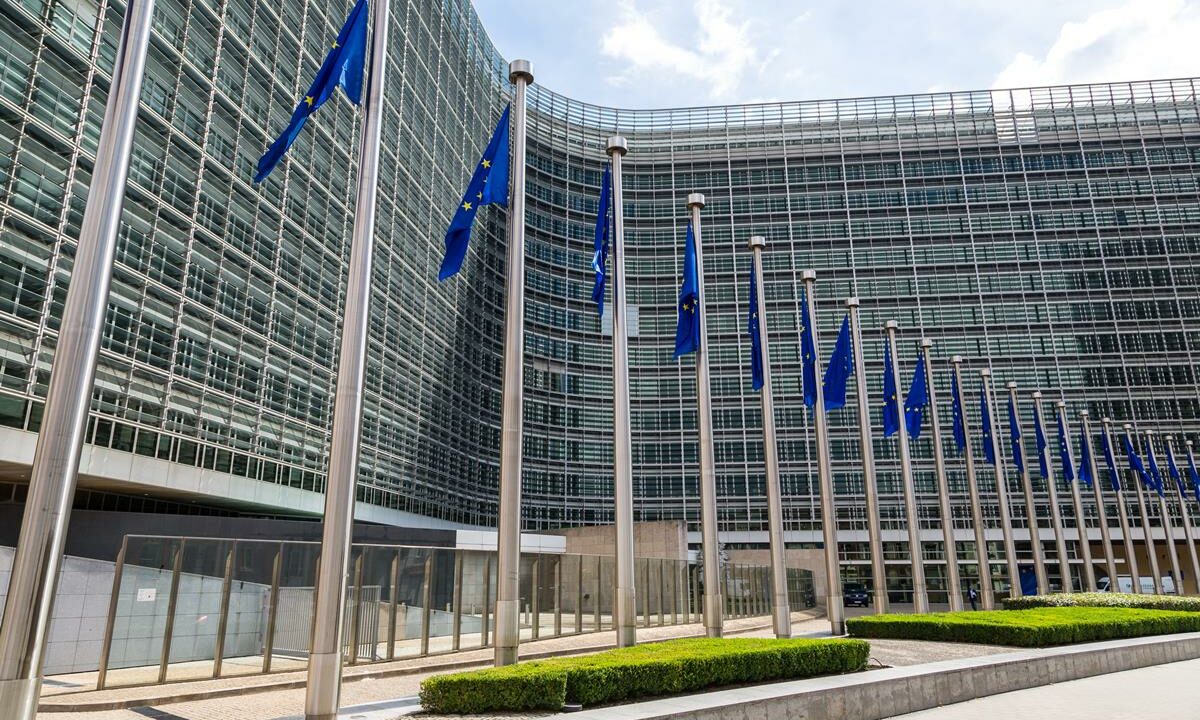
This fear is fuelling rising support for rejoining the European Union. According to a recent opinion poll by the British company BMG Research, many who voted to leave now want to reverse Brexit, a term coined to mean Britain’s Exit from the EU.
A post-mortem is taking place to investigate if Britain has gained more or lost irreparably from severing its ties with the European Union.
Voters believe Brexit has severely harmed vast swatches of policy, politics, cost of living and public services and further isolated the UK from the global community.

More than one in ten people (10% of those who polled) previously in the Leave the EU camp now want to rejoin the European grouping. An increasing number of those (14%) who backed Brexit as the best thing since sliced bread now say that had they known their decision’s severe impact, they would have voted to remain in the EU.
Many more voters said Brexit had a negative rather than positive impact on the economy (net score -42 per cent), the NHS and public services (-34 per cent), the political situation in Northern Ireland (-33 per cent), the UK’s ability to influence other countries (-28 per cent), the UK’s standing in the world (-27 per cent) and the laws and regulations people and businesses had to follow (-21 per cent).
Despite global free trade deals being a significant “Brexit benefit” touted by the Leave campaign, many more voters believe leaving the block has harmed commerce with non-EU countries (-21 per cent). Voters also recognise the impact of lost trade with EU countries (-45 per cent).

The only issue polled that did not receive a negative rating was Brexit’s impact on the UK’s ability to respond to Covid-19 or future pandemics, with a net score of zero. Even then, that would have been the sole responsibility of Britain to tackle Corona with possibly some financial help and added medical expertise from the EU.
The survey concluded that issues such as the negative impact of migration and the cost of living have dented people’s confidence.
Has Brexit had a positive or negative impact on e cost of living? The poll asked.
A whopping 63% of downcast Britons said it severely impacted them, followed by 22%, probably affluent, saying it had no effect, 10% positive impact, and 5% didn’t know, probably confused or too lazy to take a stand.

Ironically, the researchers say their previous polls on Brexit have shifted from positivity about the benefits of leaving the EU to the largest lead for rejoining the European Union.
The negative views about the effects of Brexit have caused ripple effects in the country. The BMG Survey, albeit of a small section of the public – 1,529 adults in Britain, is a representative sample of the current pulse of the people on the impact of Brexit on the UK.
So, what has gone wrong?
It is imperative to go into the background of this referendum which cost the UK taxpayer £129.128 million in 2016, and the subsequent events, which set the ball rolling for Brexit.
The seeds of the demolition of the unity wall of the Union of European Nations that took 28 countries of Europe into a trade and economic union under its umbrella and ruled from the Belgian capital, Brussels, were sown in 2013 when Tory Prime Minister David Cameron was the occupant of 10 Downing Street.
He responded to the demands of the Brits on their country’s future in the EU, allowing the people of the UK to express their democratic rights through a referendum on whether to stay in the EU or withdraw from the Union.

Three years later, in 2016 United Kingdom European Union membership referendum, commonly referred to as the EU referendum or the Brexit referendum, took place on 23 June in the United Kingdom and Gibraltar to ask the electorate whether the country should remain a member of, or leave, the European Union.
Mr Cameron probably felt confident, at the back of his mind, that the UK would overwhelmingly agree to stay on in the EU.
According to official figures, 46.5 million people were registered to vote, of which 33,577,342 electors cast a vote – 72.2% turnout.
The final nail-biting result was 17,4100,742 people voted to Leave the EU – 51.9% of all valid votes, and 16,141,241 people voted to remain in the EU – 48.1% response.
A small section of 25,359 ballot papers was rejected.

Cameron’s somewhat misplaced confidence in the success of remaining in the EU was fuelled by his victory in another referendum on whether Scotland should remain part of the United Kingdom or break away from the Union of England, Wales and Northern Ireland, which form the United Kingdom. In the event, the Scots rejected the idea of Scotland quitting the UK.
A referendum on Scottish independence from the United Kingdom was held in Scotland on 18 September 2014. The referendum question was, “Should Scotland be an independent country?” which voters in Scotland were asked to answer with “Yes” or “No”.
The “No” side won, with 2,001,926 (55.3%) voting against independence and 1,617,989 (44.7%) voting in favour. The turnout of 84.6% was the highest recorded for an election or referendum in the United Kingdom since the January 1910 general election, which was held before the introduction of universal suffrage.
Buoyed by this success, the Cameron Government believed that the call for the EU referendum would be a walkover result like the Scotland referendum. The Government slowed its public relations push on this expecting a miracle for the UK to stay in the EU.

The country was split into two factions – angry Brexiteers, who wanted the divorce from the EU and Remainers, who believed the UK would shoot itself in the foot if it broke off from the European Union. To them, it was like severing an umbilical cord.
Families were torn apart. There were disagreements, depression, headaches and mood swings among family members living under the same roof resulting in quarrels.
Brexiteers were mainly swayed by a heavy political propaganda drive by several leading politicians who unwisely pumped the patriotism card into the brains of the electorate and instilled misplaced fears that their sovereignty was in severe danger and that the Goliath of Europe would swallow the tiny UK.
The UK mass media also joined in to put in the boot using their platforms to sell and thrust the Brexit message instilling fears that heavyweight Europe will trample the UK. Was it an abuse of their right to inform their readers? One wonders.
Probably, the UK media failed to look beyond their noses on this (as one of my previous Fleet Street editors, flashing a warning light, used to tell me in the newsroom).
Critics say gullible Brits bought the propaganda lock, stock and barrel.
They said the UK’s sovereignty was in jeopardy with continued membership of the EU as the other member states were imposing their will on the UK. They argued that with the introduction of the common European currency, the Euro, the British Sterling was under threat. In so doing, they claimed that the Queen’s portrait would disappear from the currency as the Euro would take over.

Even though the ruling Conservative Party largely backed the remaining idea, the referendum was hijacked by a few politicians whose influence rose with a crescendo. They included Boris Johnson and Michael Gove, whose influence in the Tory Party and political star shot up after that for many years.
Right-wing politicians, including fellow Tories Jacob Rees-Mogg, and Nigel Lawson, former Chancellor of the Exchequer in the Margaret Thatcher Government, John Redwood, were at the forefront.
They were joined by the yesteryears Labour MP, Lord Owen, former Foreign Secretary in1977, in the Labour Prime Minister James Callaghan’s cabinet, who was seen as a strange bedfellow.
What moved the campaign into the right wing was the tacit support of the UK Independent Party (UKIP), the British National Party (BNP), the English Defence League, Democratic Unionist Ulster and Respect parties, seen more as the rigid right wing of the UK politics.

They received support from hardliners former US President Donald Trump, Russian leader Vladimir Putin, and the right-wing French National Front’s Le Pen. Few will know what their interest in the UK and agenda was.
Some sporting and entertainment celebrities such as Ian Botham, Joey Essex, Kerry Hopkins, Elizabeth Hurley, Joan Collins and Michael Caine lent their support, pulling many of their fans into the Leave camp.
Even the nurses, who are today fighting for their rights and pay increases, supported Brexit. Their decision returned to haunt them as their unions decided to go along with the Leave Campaigners.
The Conservatives, Labour, Liberal Democrat Party, the Scottish National Party, Plaid Cymru and the Green Party were officially supporting the Remain vote –the ballot to remain members of the EU.
Then Prime Minister Cameron, Labour leader Jeremy Corbyn, George Osborne and Jo Cox supported the Remain in the EU campaign.

The two camps – Brexit said they needed to reclaim their border by shutting foreigners, including Europeans, from entering the UK. They demanded the right to determine their immigration policies for people from the EU just as they did for foreigners from outside the EU, instead of Brussels telling them what to do.
Their plans for Brexit Britain killed off the idea of the free movement of EU citizens and the popular Schengen visa. Britons were allowed to settle in any EU nation without any hindrances.
They planned to impose their immigration entry rules based on the points system. Their arguments appear to have flopped. Many who supported Brexit now concede that immigration has not been reduced to the numbers they wished to have cut. On the contrary, it appears to have increased the entry of non-EU people. Today, the UK is fighting an almost losing battle against the flood of migrants.
Prime Minister Rishi Sunak, whose position on Brexit is sitting on the fence, has visited EU capitals to seek cooperation to help control migrant flows to the UK through their territories.
In the past, the French were so angry at Britain’s split from the EU that they hardly made a solid effort to stop illegal migrants using their territory as a springboard to enter the UK through their ports and dinghy boats in the English Channel operated by traffickers demanding a high fee.
The UK is powerless to stop these and is imposing stringent new rules under the Immigration Act 2023 currently on the drawing board, but it is doubtful if that eliminate the problem.
The Brexit camp was adamant that the economy would improve by leaving the EU. They claimed that bureaucratic red tape from Brussels hampered British business.
The biggest problem, they said, was that Britain contributed between £1.5 billion to £2.5 billion to the EU budget as part of the membership requirement – money they could save and inject into the British economy.
The Leave Group claimed that the National Health Service could benefit from the £350 million a week they paid to the EU – money they could help boost the NHS. This is yet to happen as the NHS continues to be starved of cash.
Remainers said that by leaving the EU, the country would lose the goodwill of Europeans and damage the economy. Britain will also be accused of sabotaging the EU.
They firmly believed that by quitting the EU, the UK’s uncontrolled immigration numbers would not stop. They thought Britain would be isolated and shunned, pushing it back into the old times of isolation.
With the Schengen visa withdrawn from the UK, Britons who once enjoyed free movement throughout the region are now stopped from entering the rest of EU countries and, like other foreigners, are subject to immigration controls and visas now.
Unlike in the past, when they whizz out of immigration controls, now they have to wait in long queues at airports for their visas which can be denied if the authorities choose to do so.
European migrants, barring criminal elements from Eastern Europe, were a boon to Britain. Since the breakup, most professionals have returned to their home countries, causing skills shortages in the UK.
The public expected then Prime Minister David Cameron, who set the ball rolling for the referendum, to share his feelings on the overall Brexit result.
At first, Cameron was quoted as saying in his memoirs, For the Record, that he was deeply depressed by what was happening in the UK in the aftermath of Brexit.
“The greatest regret is that we lost the referendum, that I didn’t prevail, that we could’ve fought perhaps a better campaign, we could have conducted perhaps a better negotiation — perhaps the timing wasn’t right — and that I didn’t take the country with me on what I thought was a really important issue.”
This was quickly corrected to read that his greatest regret is that those who advocated staying in the EU lost the vote.
As for Boris Johnson and those who touted aggressively to leave, they still believe Brexit was the best thing to have happened to the UK.
Only time will tell who is right on the turmoil that has left many Britons angry and shattered with the shaky state of affairs in the UK today,
Will the UK finally vote to return to the fold of the European Union?
This question is a cliffhanger.
Similar Posts by Shamlal Puri:
- KENYAN HOCKEY LEGENDS HONOURED IN LONDON
- Tourism bonanza for the Middle East: FOUR DAYS WHEN THE WORLD CAME UNDER ONE ROOF IN DUBAI
- LONDON PACKAGING WEEK WITH TOP GLOBAL BRANDS ATTRACTS THOUSANDS OF VISITORS
- UK’S NATIONAL HEALTH SERVICE IN BIZARRE COLOUR BAR CRISIS
- UK’S NATIONAL HEALTH SERVICE IN BIZARRE COLOUR BAR CRISIS:
About the Author