Health Workers Urged To Integrate Mental Health In HIV Screening To Combat The Pandemic
 The Mt Kenya Times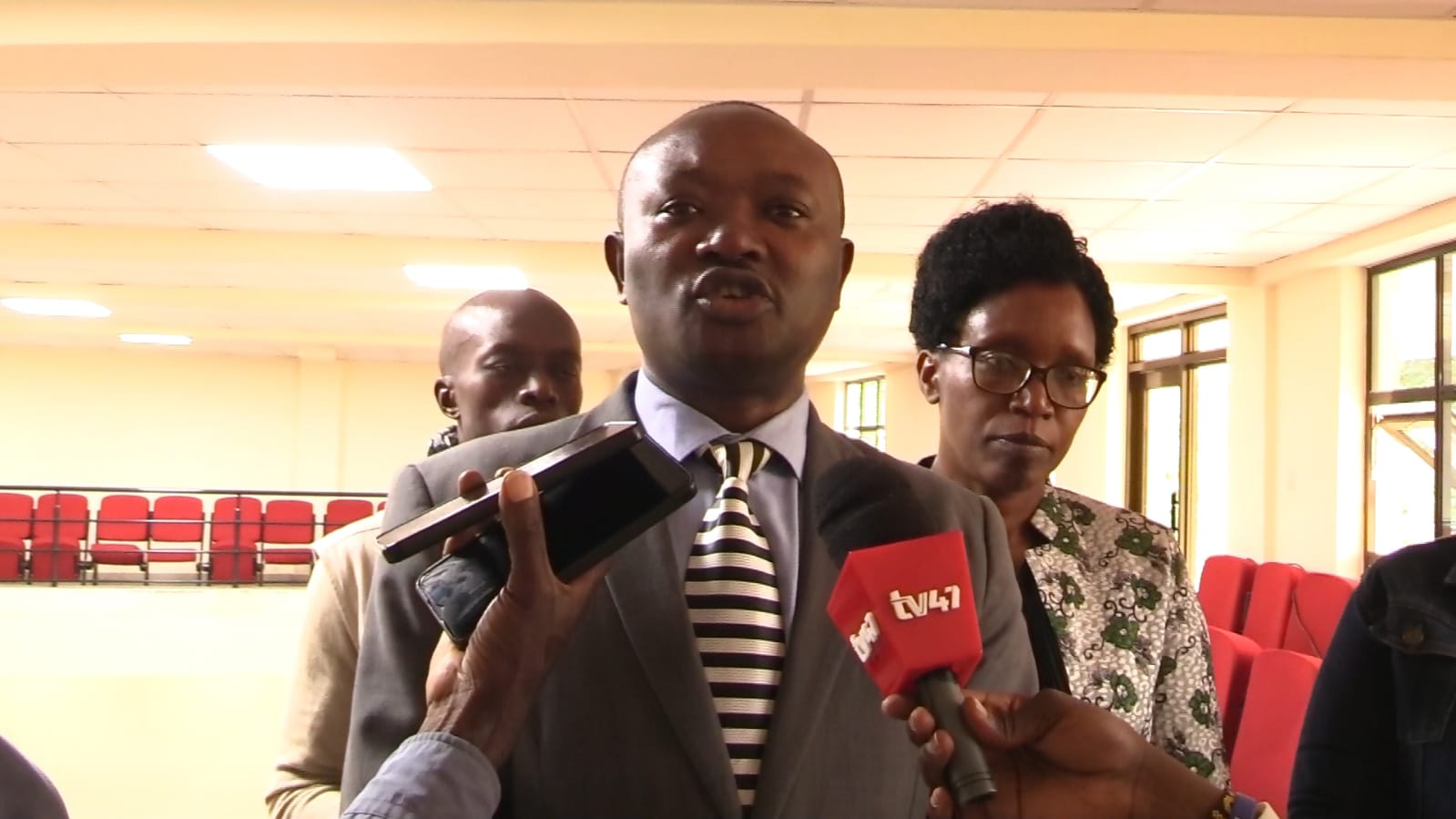
Kisii County Director of Public Dr Richard Onkware says that the County's HIV prevalence has dropped from 8.9 percent to 4.5 percent for the last ten years. Photo /Elizabeth Angira
By Elizabeth Angira
Worth Noting:
- Speaking at Kisii University last week during an awareness campaign on the pandemic to students Otieno notes that stigma, anxiety, and depression are significant barriers to HIV prevention, care, and treatment, which, if unaddressed, can hinder the county’s progress in combating the pandemic.
- “Mental health and HIV are closely interlinked. Many people shy away from testing due to fear of stigma or lack of psychosocial support after a positive diagnosis,” she says.
- She noted the pandemic and mental health have a bi-directional relationship, noting getting a diagnosis of HIV predisposes one to post traumatic stress, anxiety and depression after testing positive.
As World AIDS day was marked yesterday, Health Care Workers were being urged to integrate mental health services into HIV screening and testing programs to enhance the fight against the pandemic and reduce new infections.
When John Orina (not his real name) tested positive for HIV in 2012, his world crumbled.
At only 27 years old, he was burdened with a diagnosis that carried not just a health implication but also a social stigma that would deeply affect his mental health.
“Back then, I thought being HIV-positive meant the end of my life,” John recalls. “I was consumed with shame, fear, and the worry of being judged by others.”
John’s first battle was against himself. He slipped into depression, haunted by thoughts of rejection from friends and family
“I isolated myself completely. I avoided people because I feared they would see through me, as if being HIV-positive was something visible,” he says.
John also struggled with physical health challenges. Starting antiretroviral therapy (ART) was overwhelming, and the side effects intensified his feelings of despair.
“I couldn’t keep up with my medication because I didn’t see the point, he says.
In 2016, a turning point came when John attended a community outreach session organized by a local HIV support group.
He met a counselor who introduced him to the idea of managing his mental health alongside his HIV.
“I didn’t know that my mental health was just as important as taking my ARVs,” John says. “The counselor explained that depression, anxiety, and stigma were all things I could overcome with support.”
Stigma
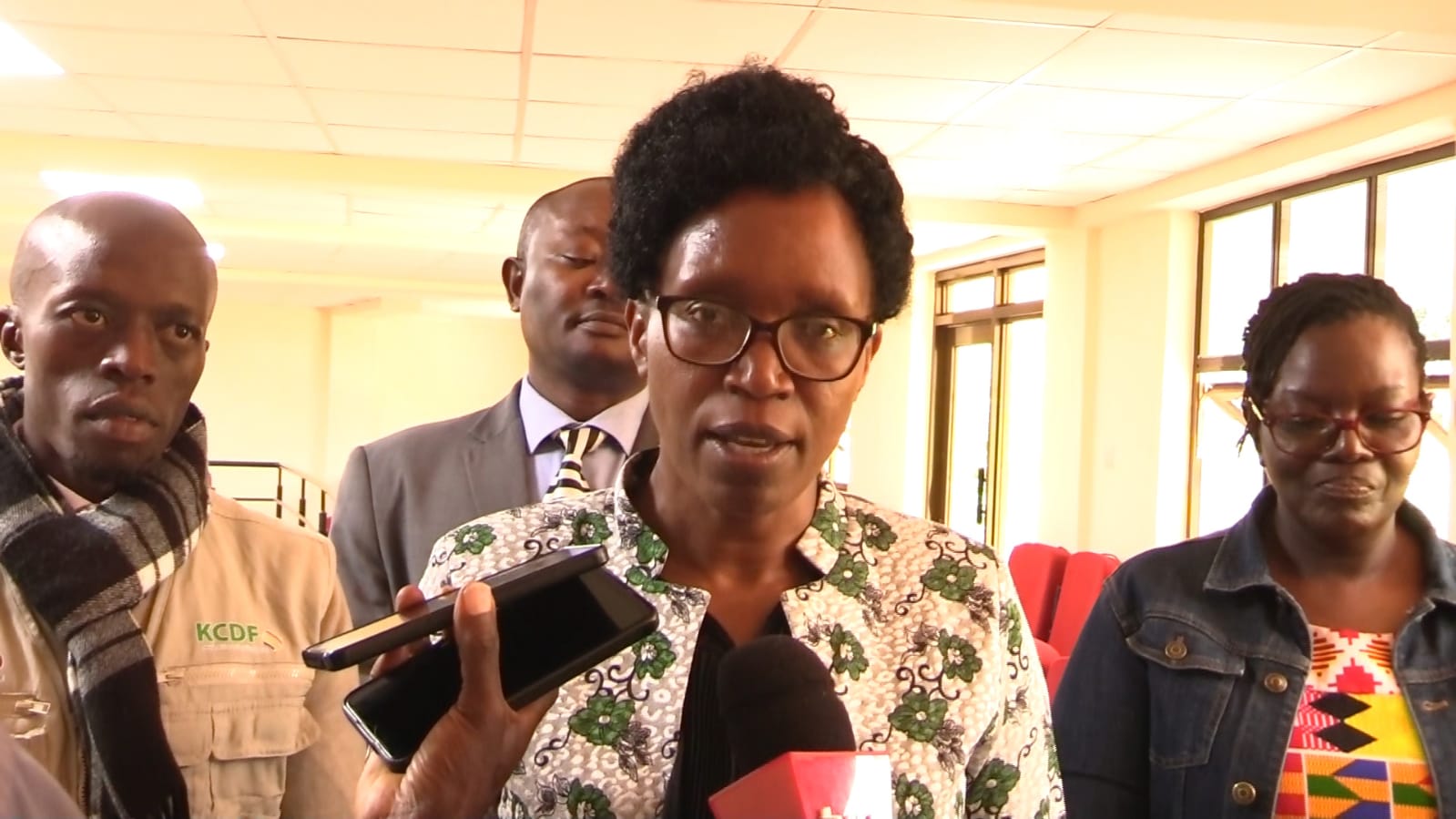
Dr Rose Otieno, a psychologist and Lecturer at Kisii University has emphasized the importance of addressing the mental well-being of individuals living with or at risk of HIV.
Speaking at Kisii University last week during an awareness campaign on the pandemic to students Dr. Otieno notes that stigma, anxiety, and depression are significant barriers to HIV prevention, care, and treatment, which, if unaddressed, can hinder the county’s progress in combating the pandemic.
“Mental health and HIV are closely interlinked. Many people shy away from testing due to fear of stigma or lack of psychosocial support after a positive diagnosis,” she says.
She noted the pandemic and mental health have a bi-directional relationship, noting getting a diagnosis of HIV predisposes one to post traumatic stress, anxiety and depression after testing positive.
“If someone is HIV positive and gets opportunistic infections, it can affect their health. Conversely, people who have mental health conditions may not make good decisions about their HIV status” Otieno says.
She noted it was difficult for people with mental challenges to seek information due to depression, stress, those who abuse drugs are vulnerable to contracting the pandemic without their knowledge.
“When people abuse drugs, they will not make proper decisions on their sex life. Some do not use safe injections to inject drugs into their bodies,” Dr Otieno cites.
Dr Otieno highlighted that by integrating mental health services into HIV testing programs, the country can create a more supportive environment that encourages testing, treatment, and adherence to antiretroviral therapy.
Mental Health’s Role in HIV Prevention
Statistics from the Kenya AIDS Indicator Survey (KAIS) show that stigma remains a major challenge in Kisii and Nyamira counties, discouraging individuals from seeking testing and treatment services.
According to health expert, the inclusion of mental health services, such as counseling and psychological support, can help mitigate these challenges, particularly for vulnerable groups like youth, women, and men who have sex with men.
Dr. Otieno, notes that untreated mental health conditions often lead to risky behaviors, such as unprotected sex, which increase the likelihood of HIV transmission.
“When we address mental health alongside HIV, we not only support individuals in managing their conditions but also significantly reduce behaviors that drive the epidemic,” she says .
John began attending regular counseling sessions and learned techniques to manage his anxiety and depression. He also became more consistent with his ART.
“My therapist helped me process my feelings of guilt and shame. She taught me to replace the negative thoughts with affirmations like, ‘I am more than my diagnosis,’” he says with a smile.
John speaks openly about living with HIV, breaking the silence that often fuels stigma.
“I learned that by hiding, I was allowing stigma to control me. Speaking up became my way of fighting back,” he says.
Kisii County Director of Public Health, Dr Richard Onkware cited that the county’s HIV prevalence has dropped from 8.9 percent to 4.5 percent for the last ten years.
According to Dr Onkware youths aged between 16 and 24 contribute to new infections, stressing 95 percent of the infected are under the drugs, which, noted, suppressed the virus and reduced new infections.
“Viral suppression in the county is more than 95 percent. The intervention has led to the reduction of new cases. People with suppressed viruses cannot transmit them to anybody,” Dr Onkware notes.
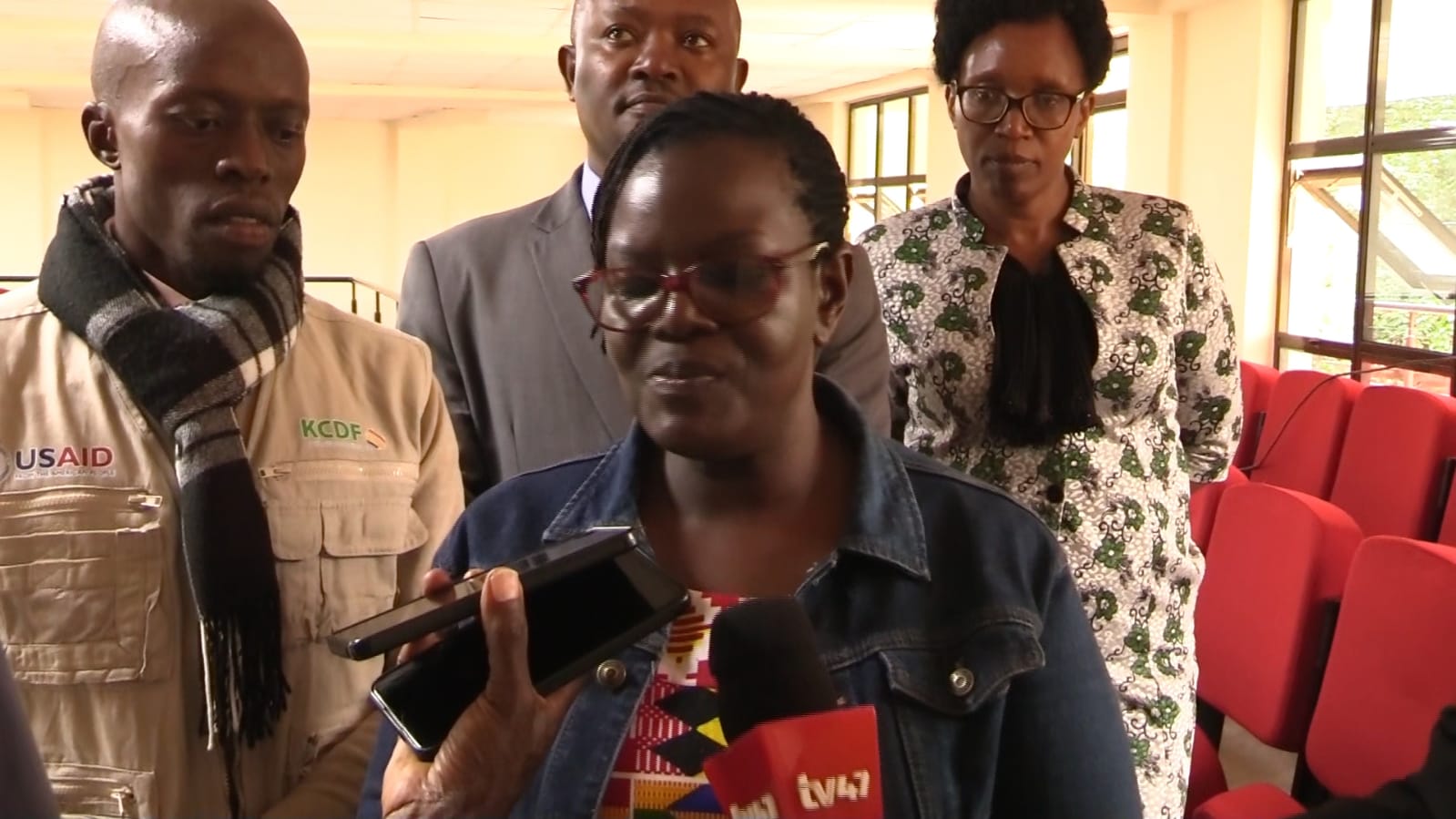
Florence Ogero, Kisii County Aids and Sexually Transmitted Diseases (STI) Coordinator calls for comprehensive training for health care workers on mental health and HIV integration.
“This includes equipping them with skills to identify and manage mental health conditions during routine HIV testing and counseling sessions,” she says.
Ogero says that Health workers play a critical role in this initiative and there is need for them to be trained to provide empathetic care and understand the psychological effects of HIV, especially during testing and disclosure of results.
WHO is calling on global leaders and citizens to champion the right to health by addressing the inequalities that hinder progress in ending AIDS Under the theme “Take the rights path: My health, my right!”
Local organizations such as the Kisii Endelevu Trust Initiative (KETI) already have begun community outreach programs to sensitize the public on the importance of mental health in managing HIV.
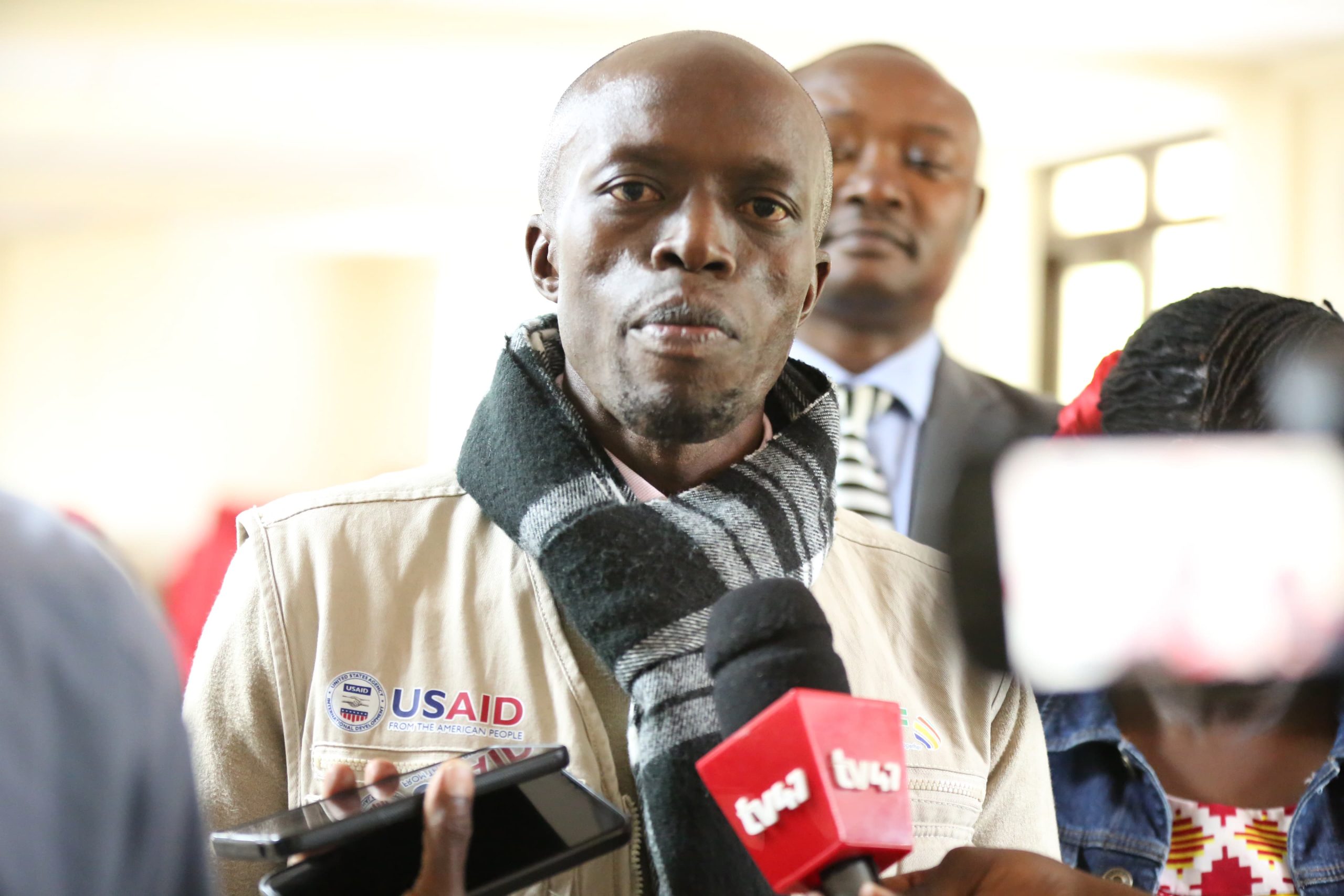
KETI program Officer, Asha Moronya says that the center offers free counseling services to people living with HIV and encourages them to seek help without fear of judgment.
“We believe that a holistic approach to HIV care is key to achieving zero new infections. This includes providing mental health support and creating safe spaces for individuals to share their experiences,” says Moronya.
Call to Action
With Kenya striving to meet its UNAIDS 95-95-95 targets—95% of people living with HIV diagnosed, 95% on treatment, and 95% virally suppressed—health leaders are optimistic that integrating mental health services will accelerate progress.
As the Day is marked, counties are calling on policymakers, development partners, and the national government to allocate more resources to mental health and HIV programs, ensuring no one is left behind in the fight against the pandemic.
Similar Posts by The Mt Kenya Times:
- AI Curse or boon: The Future of Intelligence: Artificial or Emotional?
- Dr. Ekrah Ndung’u wins TVET advocacy award after 12 years
- Mt Kenya Times ePAPER October 17-18, 2026
- Ruto bets billions on Kerio Valley — with one eye on 2027
- Ruto’s health ministry kills Murang’a’s digital hospitals
About the Author