Hope On The Horizon: Celebrating Victories In The Battle Against Cancer
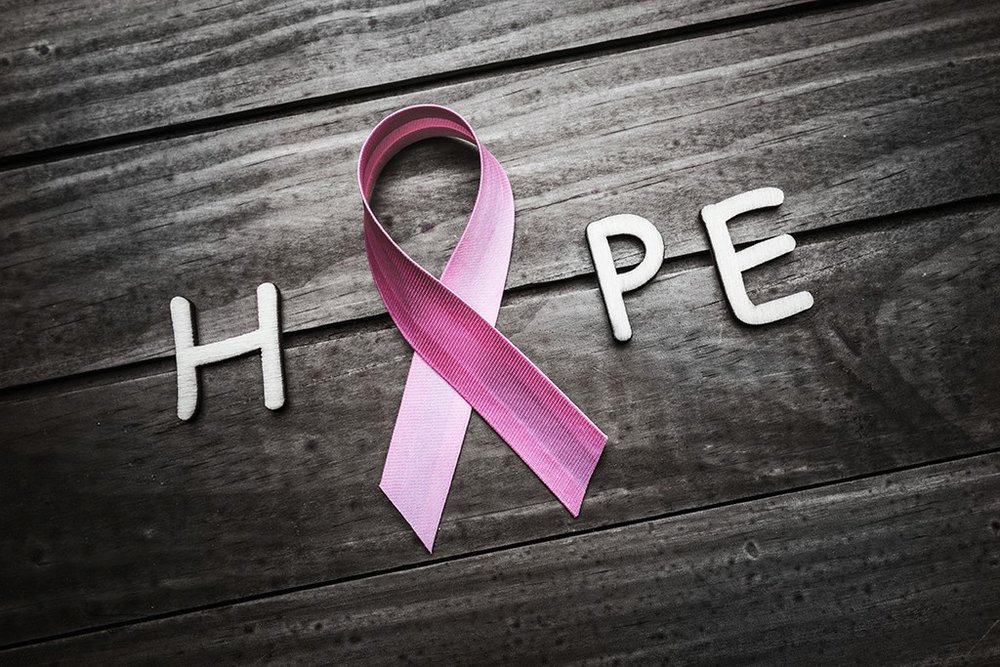

In this relentless fight against cancer, every year is filled with its share of challenges and triumphs. This Cancer Awareness Month draws us to reflect upon the great strides taken in cancer research, treatment, and prevention that have saved countless lives and given hope to millions worldwide.
Cancer care has changed greatly over the last few decades. According to the American Cancer Society, since 1991, the overall cancer death rate has declined by 33% in the United States, translating into an estimated 3.8 million cancer deaths. This steep drop is credited to improvements in early detection methods, more effective treatments, and increased public awareness of how to prevent cancer.
Success stories in cancer treatment probably have never been so victorious as with the development of immunotherapy. This promising novel treatment modality against cancer uses the body’s immune system to fight against malignant cells. According to the National Cancer Institute, it is very impressive that immunotherapy has been used to treat a range of cancers, which include melanoma, lung cancer, and several blood cancers. Certain patients with advanced malignancies, who had used up all treatment modalities, were able to achieve long-term remission following immunotherapy.
Precision medicine has also altered cancer treatment. Today, as doctors can decode the genetic nature of tumours, treatments are tailored to the particular patient; this increases their effectiveness while reducing side effects. The Precision Medicine Initiative was launched in 2015 to accelerate progress in this field. As of 2024, over 1,000 targeted cancer therapies are approved or in clinical trials.
The foundation for cancer management remains prevention and early detection of the disease. Screening programs have been the backbone of declines in mortality rates for several malignancies. Routine mammograms have contributed to a 40 per cent reduction in deaths from breast cancer since 1989. There have been 30 per cent reductions in colorectal cancer deaths attributed to colonoscopy in the past two decades.
Public health efforts aimed at reducing the risk factors of cancer have equally been highly effective. Anti-smoking campaigns and policies have seen lung cancer incidence drop dramatically. According to the CDC, smoking rates among adults in the United States have gone down from 42% in 1965 to less than 13% in 2023, averting millions of cases of cancer.
With these positive trends, the war against cancer is far from being won. In 2024 alone, approximately 1.9 million new cases of cancer are expected to be diagnosed in the United States. Yet, studies and clinical trials continue to promise an even brighter future. The revamped Cancer Moonshot initiative in 2022 has ambitions for at least a 50% reduction in the rate of death due to cancer in the next 25 years.
Because we are in Cancer Awareness Month, the important thing to remember is that in the fight against cancer, everyone can make some difference. We can contribute through healthy lifestyles, regular screenings, and research in the fight against cancer towards a possible future where no person will ever have to die from this terrible disease but learn to live with it.
The fight against cancer has taught us the power of human resilience, scientific ingenuity, and international cooperation. Though much more remains to be done, what has been achieved so far inspires us to be hopeful and gives us continued determination for the future. Together, we can look forward with optimism to a future in which cancer no longer has the power to destroy individual lives or disrupt families.
FAITH MWANGI
RONGO UNIVERSITY
Similar Posts by The Mt Kenya Times:
- The paradox of inclusion: Kenya’s progressive disability laws and the persistent reality of exclusion
- The marketplace mirage: Kenya’s dual mandate and the persistent carnival of deception
- Wamunyoro Alliance Takes Shape; Gachagua, Kalonzo, Wamalwa unite
- Gachagua, Kalonzo, Wamalwa unite: Kenya’s 2027 opposition battle takes shape
- Beyond the rubble: Nairobi’s building collapses are a failure of systemic oversight
About the Author