Hundreds Die In Brutal 2026 Summer: Scorching Sun Strikes Britain, Causing Water Shortages And Drought
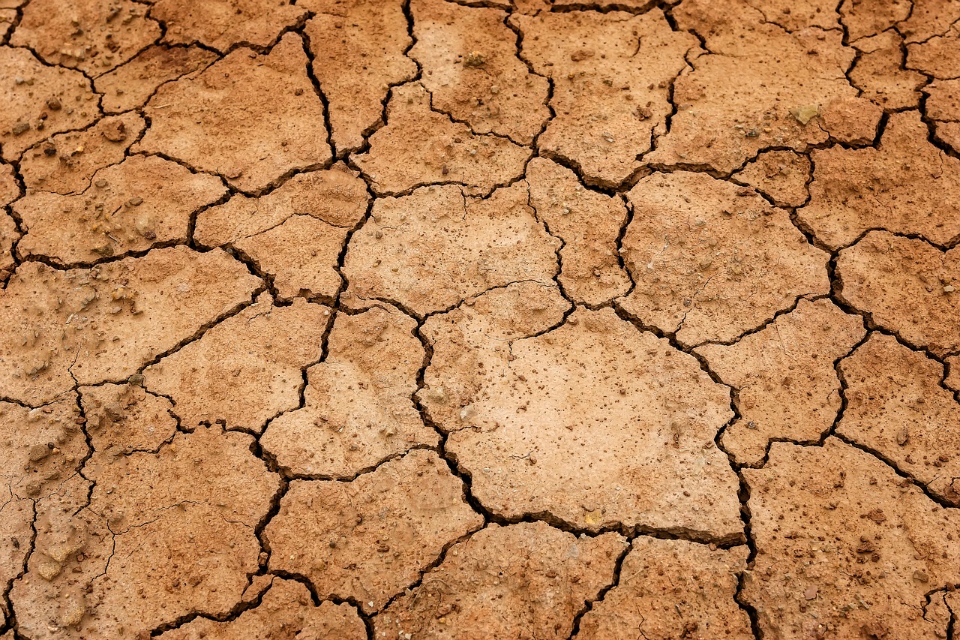
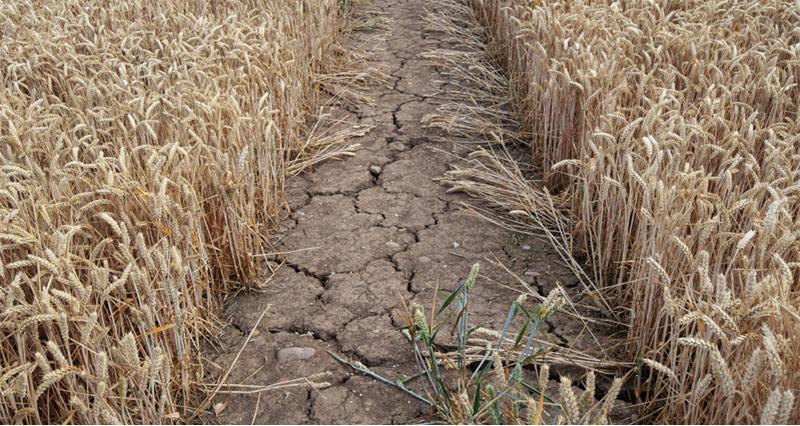
Parched Land in England... Britain has been hit by drought, leading to water shortages. Photo: Environment Agency
From SHAMLAL PURI, Senior Editor – UK and Associate Publisher
shamlalpuri4@gmail.com
The long-awaited British summer of 2026 has reared its brutal face, leading to hundreds of deaths, severe water shortages, and an unprecedented drought in a country known worldwide for its greenery.
Official figures state a total of 2,377 people have died in Britain due to scorching sun..
The last drought in Britain was half a century ago. The notorious 1976 UK drought was part of a broader dry spell that lasted for 16 months, beginning in May 1975 and continuing until August 1976.
The intense peak of the heatwave and dry weather ran for several weeks in the summer of 1976 before heavy rains finally broke the drought in September and October 1976.
This year’s drought is compared with the one in 1976.
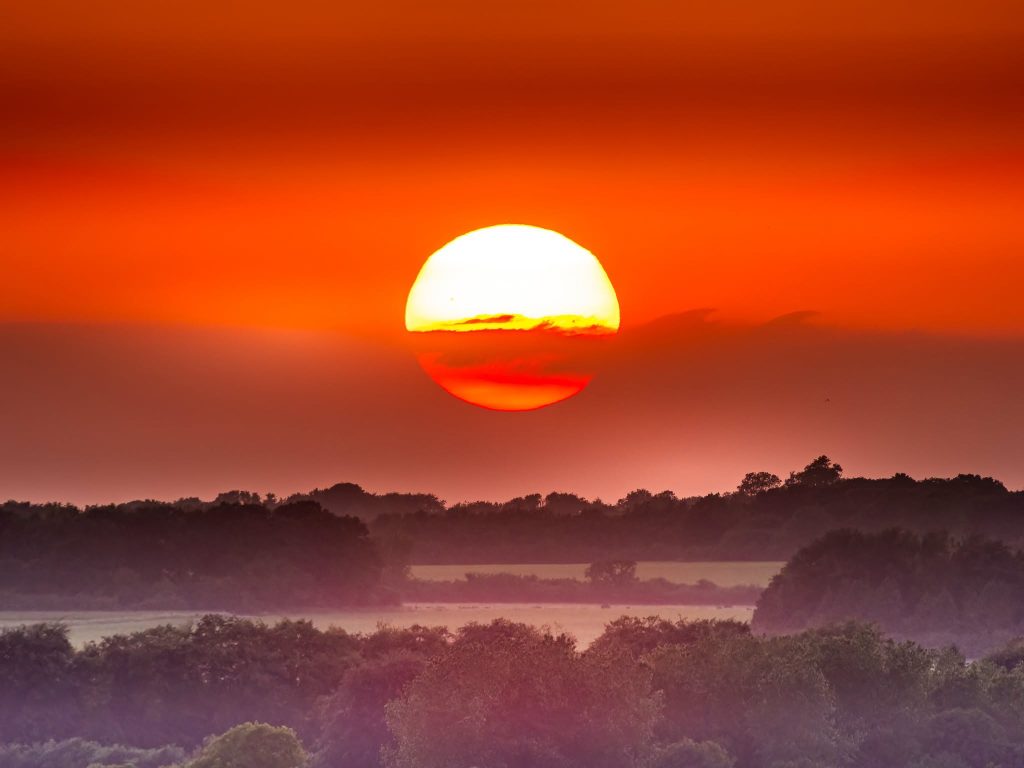
The scorching sun throughout July with no rain has caused misery to Britons, with temperatures nudging over 40 degrees Celsius, leaving people sweltering and reaching out for their mineral water bottles while outside.
While the situation may not be as bad as the droughts of Ethiopia, Sudan, northern Kenya, Mozambique and elsewhere, the warning signs in Britain are enough to scare Britons.
Supermarkets and shops stocking mineral water are doing a roaring trade
The authorities have been forced to impose a ban on the use of water. People have been warned not to water their gardens, wash their cars and have shorter showers to preserve water.
More areas in England declared in drought after record dry July. Wales, known for its lush green hills and valleys, has also not been spared in this drought.
The National Drought Group met on Monday as 71.3% of England is now in drought, with warning signs that if the rains fail to come, it could spread throughout the country.
A joint statement from the Environment Agency, Department for Environment, Food and Rural Affairs, Met Office and Emma Hardy MP warned that the worst is not yet over.
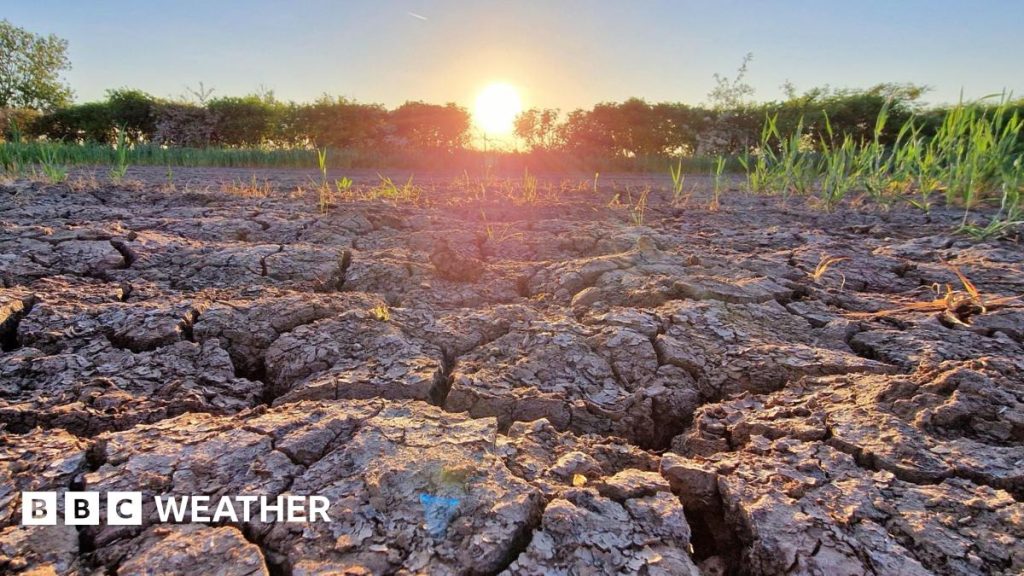
Almost three-quarters of England is now in drought as conditions worsen following a dry start to August.
The National Drought Group has warned all regions of the country are experiencing pressure on their water resources – with increasing impacts across agriculture, public supplies, navigation, and the environment.
The East Midlands, Lincolnshire & Northamptonshire, Kent & East Sussex, and Solent & the South Downs became the latest to move into drought status today.
Along with the areas announced last week, most of the country (71.3%) is now experiencing a flash drought – which develops very quickly, brought about by a combination of very low rainfall and higher temperatures. This takes the total to 45 million people in a drought area. Over 27 million people are now living under restrictions on water use.
The North East and Yorkshire have moved to prolonged dry weather – the stage before drought – with nowhere now deemed in normal status.
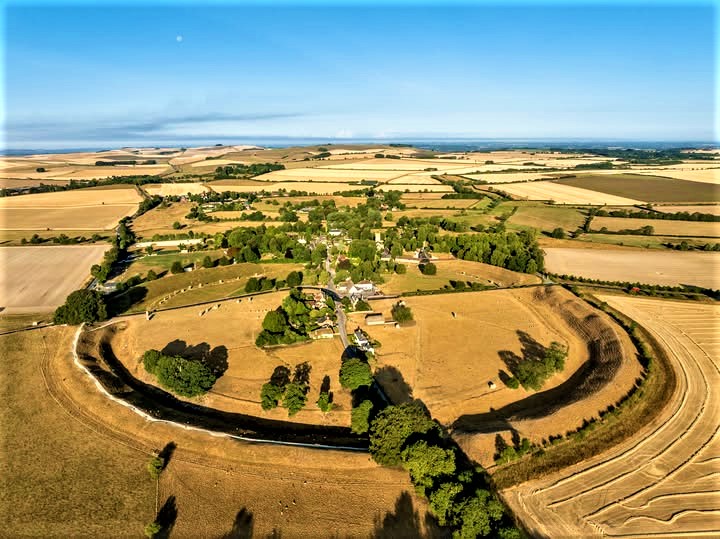
The changes follow the driest July in 190 years and just 5% of expected rainfall this month to date. There are warnings of more dry weather and another heatwave on the way, with temperatures tipped to reach the mid-30s in some places.
Tony Grayling, Strategic Drought Lead at the Environment Agency and Chair of the National Drought Group, said: “Drought conditions are worsening and will continue to do so until we see significant and sustained rainfall.
“We know the hot and dry weather is taking a real toll on farming and there will be long-lasting impacts on our environment.
“We want everyone to stay safe and hydrated over the summer, but we need everyone’s help in using a little less water to make sure our current water reserves last. Every drop we can save is a drop more for your local farmers, local wildlife and local rivers.
Water Minister Emma Hardy has told water companies to do more to cut leaks, which increase in the hot weather as pipes move in dry soils.
“Small steps to reduce water consumption – such as turning off taps when brushing teeth or fixing a leaking toilet – can also really add up to conserve dwindling supplies until the next period of sustained rainfall.
Ongoing work by National Drought Group members includes heightened incident response, additional monitoring, increased leakage reduction and more cross-sector and public communication.
The Government has also stepped up its drought response and is actively considering ways to give more support to the farming sector.
Water Minister Emma Hardy, who attended the National Drought Group today, said: “We know how challenging this summer has been, especially for our hard-working farmers who are at the sharp end of climate change and an increasing number of floods and droughts.
“We are stepping up our support, including working to make it easier for farmers to build more on-site irrigation reservoirs. We are also delivering long-term change in the water industry to reduce leaks and deliver nine new reservoirs and water transfer schemes to secure supplies.
“As we move through this period of drought, I expect water companies to take every available step to minimise leakage and support customers in using water wisely.
She also thanked people for following the restrictions, where in place, as they are an important tool to safeguard essential water supplies and protect the environment.
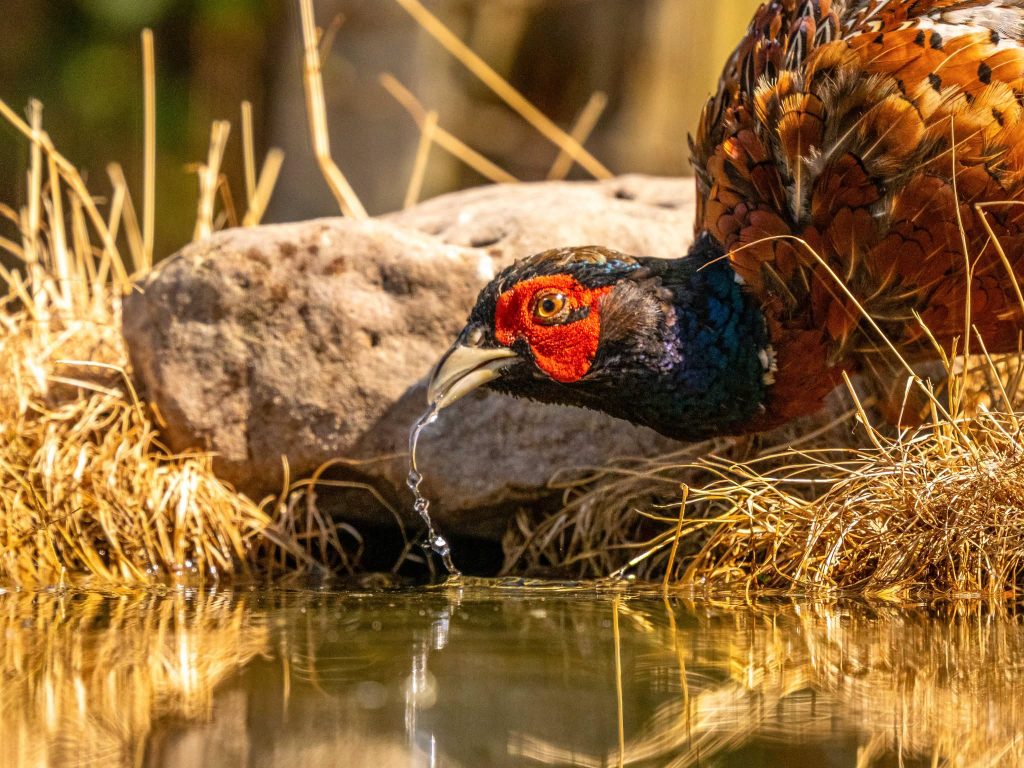
Rivers, reservoirs, and groundwaters continue to decline, and water temperatures are also rising, leading to more fish rescues, while the continued hot and dry conditions are increasing the risk of wildfires.
The British climate is changing, and the current drought now means there have been three in the past five years – 2022, 2025 and now 2026.
England is not alone in facing drought. Mainland Europe is also struggling with heatwaves and dry weather, while extremely low water levels on the Rhine and the Danube are disrupting energy generation, freight, and river transport.
Rainfall totals for July ranged from 1% of the expected average for south-east England to 26% in north-west England. Some parts of Hampshire, Isle of Wight and West Sussex have not had a rain day for 59 days.
Natural England noted 245 wildfires have been reported on Sites of Special Scientific Interest (SSSI) this year.
Important wetland and sensitive peatland habitats are drying out.
River flows continue to decline, with only 14% classed as at normal levels. 22% are exceptionally low, including the Avon, Wye, Ely Ouse and Exe.
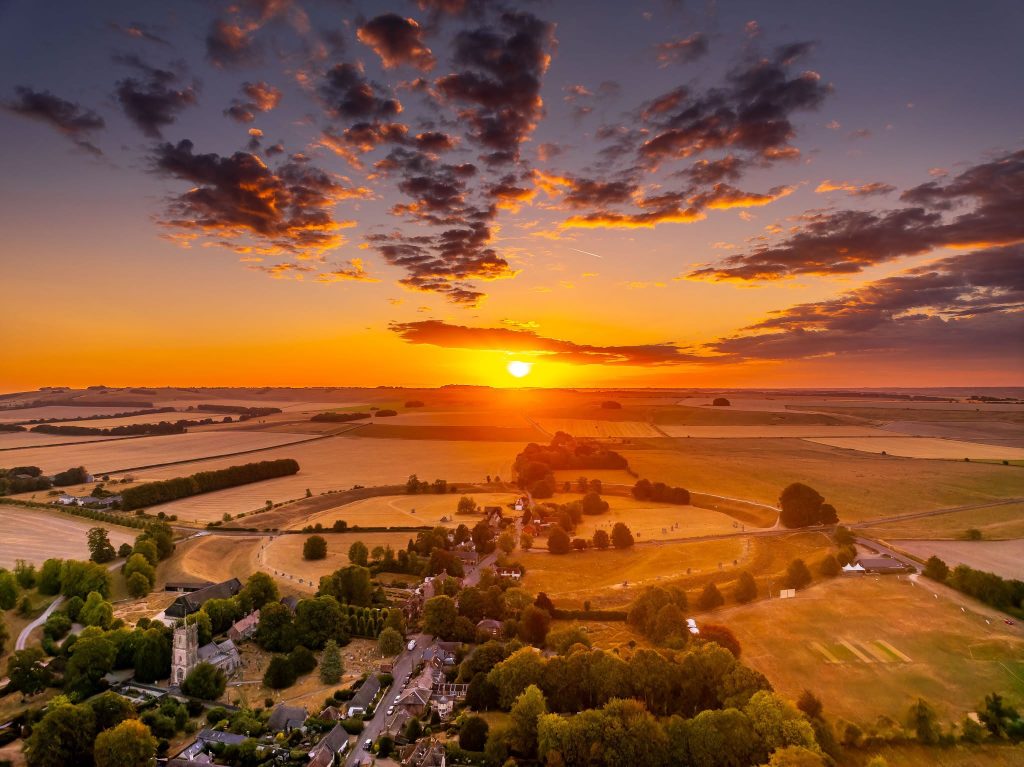
Reservoir levels have fallen to 69% – 11.6% lower than expected for this time of year. England reservoir storage fell 16% during July, the greatest reduction in raw storage in July for at least 30 years.
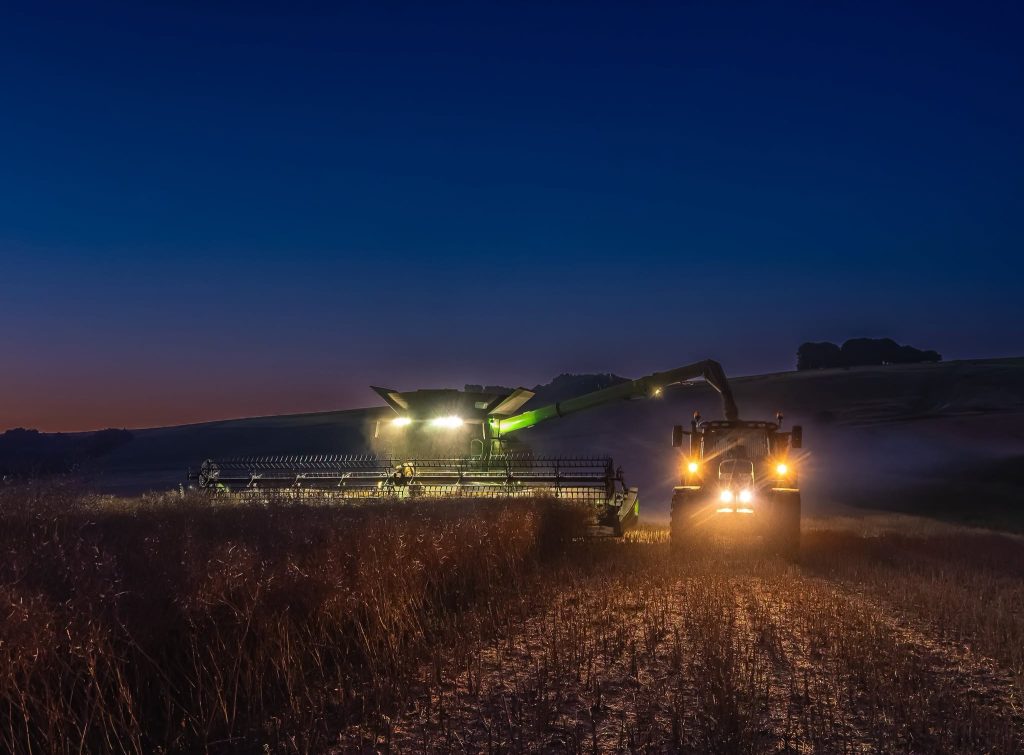
Farmers have reported their earliest harvests in 20 years, with reduced yields.
Livestock farmers are beginning to feed winter forage stocks earlier than normal due to poor grass growth. The lack of adequate feed is expected to result in decreased milk volumes.
Irrigation restrictions on farmers are now increasing, with 1,534 now in place in East Anglia. Some 302 abstractors in East Anglia are in the process of having to reduce the amount they can take from rivers by 50% to protect the environment due to exceptionally low flows. 14 abstractors in the Wensum catchment, Norfolk, have had to stop due to low water flows and the potential impact on the environment.
Wildlife is affected, particularly breeding birds, amphibians, and species such as white-clawed crayfish, which have not fully recovered from previous droughts.
River temperatures are rising, including reaching 28C on the River Misbourne, a chalk stream in Buckinghamshire, and 27C on the Hampshire Avon and 27C on the River Trent – around 2C higher than expected.
The Environment Agency has recorded 134 incidents linked to drought and dry weather this year – now approaching the same levels seen during previous droughts in 2022 and 2025.
There are 26 navigation closures and 19 restrictions in place across the Canal & River Trust’s network because of water shortages caused by the heatwaves. Further closures are likely if there is insufficient rain over the next few weeks.
Eight water companies have introduced Temporary Use Bans (TUBs), in some or all of their areas, impacting over 27 million customers. They are: Affinity Water, Anglian Water, Cambridge Water, Essex & Suffolk Water, Southern Water, South East Water, Thames Water and South West Water.
Southern Water has applied for two Drought Orders. The first is to maintain normal abstraction rates from the River Test even during low flows and the second is for a non-essential use ban. These are both under consideration by Defra.
The National Drought Group recommends water companies submit drought permits early to allow them to refill reservoirs as early as possible.
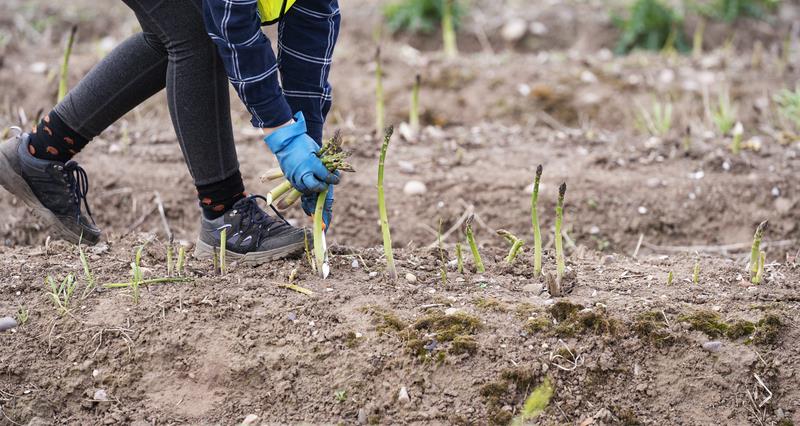
NFU Deputy President Paul Tompkins said: “With no meaningful rain forecast in the coming weeks, the situation facing farmers and growers is increasingly concerning.
“Many farmers have completed the earliest harvest on record, with poor yields in key crops reported in some areas of the country.
“Livestock and dairy farmers are already using winter feed because grass has stopped growing, while growers are working hard to keep fruit and vegetables watered, but many are struggling to access the water they need.
“To help farmers and growers now, we need to see a risk register for vulnerable businesses and a more responsive abstraction licensing system. Longer term, a consistent and positive planning approach to reservoirs, further rounds of the Water Management Grant and targeted investment in climate adaptation will be vital to build farming’s resilience to extreme weather.
“Water plays a crucial role in food security and the resilience of our nation. By treating water for food as a strategic priority, government can work with farmers to protect crops, livestock businesses, and the UK’s long-term food security.”
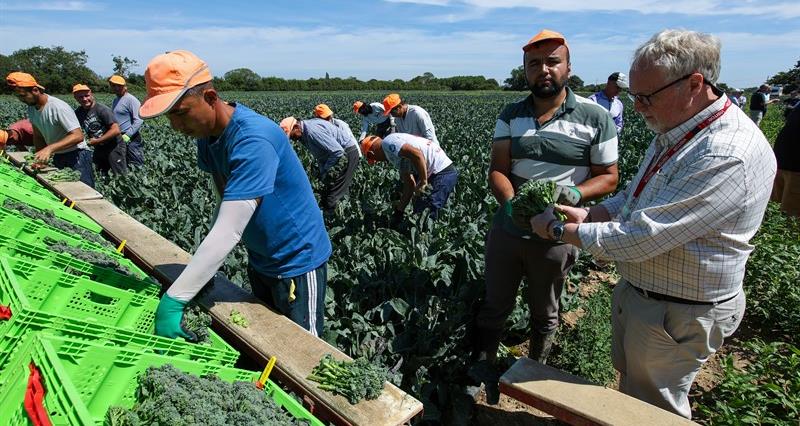
Mark Owen, Head of Fisheries at the Angling Trust, said: “Warmer water holds less dissolved oxygen, putting fish under severe stress that can quickly become life-threatening.
“Anglers often spot problems first and play an important role in raising the alarm when fish are in distress. This summer, we have seen an increasing number of incidents linked to prolonged hot, dry weather and exceptionally low river flows.
“More frequent droughts and rising water temperatures are placing even greater pressure on rivers, making it increasingly difficult for fish and other wildlife to survive unless we build greater resilience into our freshwater environment.
“If you see fish gasping at the surface, stranded in isolated pools or large numbers showing signs of distress, report it immediately to the Environment Agency’s 24-hour incident hotline.”
Early reports from anglers and other river users can make all the difference, giving fisheries teams the best chance of saving fish before it’s too late.

This year, there have been 34 days with temperatures that have reached 30C or above somewhere in England, including 13 consecutive days in July. Dry weather depletes our water, while the hot conditions mean we use more of it.
While temperatures cooled last week, and there were occasional showers, a high-pressure system means there is an increased risk of more hot and dry weather in August. Another heatwave has been predicted for this week, while the UKHSA currently has more heat alerts in place.
Head of Environment and Energy at the Met Office, Sarah Davies, said: “July 2026 was one of the most remarkable months in the UK’s climate record. England and Wales both recorded their driest and sunniest July on record, together with periods of exceptionally high temperatures.
“These conditions have significantly increased pressure on water resources in some parts of the country and contributed to the ongoing drought concerns.
“Looking ahead, forecasts for the remainder of August and into September suggest a good deal of dry weather is expected, mixed with some unsettled spells. While some areas may see useful rainfall at times, there is currently no strong signal for a sustained period of widespread rainfall, with below-average rainfall more likely than above-average for the period as a whole.”
The Met Office will continue to work closely with partners through the National Drought Group, providing forecasts and climate intelligence to support planning and decision-making as conditions evolve.
Water companies have reported that Temporary Use Bans have reduced public demand by up to 9% in places. Hosepipes are restricted but watering cans and buckets can still be used.

If people with disabilities or health issues are living in an area covered by a Temporary Use Ban (TUB), they can contact their local water company about their situation. Restrictions on their use form an essential part of drought planning and recent research found most people support a ban if there is a compelling reason.
Work by National Drought Group members includes:
National Drought Group members are proud supporters of the Let’s Save Water campaign.
The Environment Agency supports more on-farm irrigation reservoirs, and the Government is working to make these easier to build.
Defra is progressing work on mandatory water efficiency labelling and will respond soon to a consultation on improving water efficiency in new homes.
Defra and the Environment Agency continue to work with water companies on their Water Resource Management Plans, including new reservoirs, desalination plants, and multiple water transfers to help secure future supplies.
Changes in the Planning and Infrastructure Act enable non-water sector companies to build reservoirs that are automatically considered as nationally significant infrastructure projects, which will speed up the approvals for large reservoirs.
So far, the Environment Agency has carried out dozens of fish rescues, including 38 in the West Midlands (River Teme and River Redlake) alone. The main fish to be rescued are Atlantic salmon and brown trout.
The Environment Agency is currently releasing water from strategic reservoirs at the top of the River Severn and from groundwaters in Shropshire to aid abstractors, maintain flows for navigation and support the environment.
The Environment Agency’s Trent Witham Ancholme River Transfer Scheme is operational in Lincolnshire. This can pump 60 Olympic-sized pools of water daily if required.
The Environment Agency is working with local fisheries, councils and the Canal & River Trust, including advice on reducing the impact of low oxygen levels in water and controlling algae.
Water companies have stepped up action on finding and fixing leaks.
Water companies are communicating with customers, offering advice and tips to use a little less water while explaining any restrictions in place.
The Environment Agency is carrying out more compliance checks on businesses to ensure everyone is using water fairly.

The Environment Agency is working closely with the National Farmers Union, particularly in East Anglia – the country’s breadbasket, making sure all abstractors understand the latest water resources position.
The Consumer Council for Water (CCW) has conducted research about increased water use during heatwaves and the potential for smarter future use.
Nicci Russell, CEO at Waterwise, said: “The experts are telling us that these extraordinary climate emergency impacts we’re seeing in real time, right in front of our eyes, are not random one-off events.
“It’s entirely reasonable that at this time, we only use water for essential purposes. None of us can live without water – and society, the economy and the environment can’t function without it.
“We all have a role to play in making sure there’s enough water to go round – and there are lots of simple things we can all do at home and at work to help close the gap between the water we need, and the water we have.
“Turn that hosepipe off! Step away from the sprinkler! Let your lawn go golden, and your car go dirty. Knock a minute off your shower time – imagine if everyone in England and Wales did that, saving 15 litres of water every time, and you can see how small actions by each of us make a real difference.
“We all need to save water – of course there is work to do for the water companies and governments, and big business, but we all need to step up.”
By 2055, England will need to find an additional 5 billion litres of water a day to meet demand for public water supply. This is more than a third of the 14 billion litres of water currently put into public water supply.

Water companies are investing in ten new reservoirs by 2050, and one of these (Havant Thicket) is currently under construction. Combined, these will provide around an additional 700 million litres of water per day.
In the face of the enormous challenges to water resources, it will need action from everyone. It needs more and faster infrastructure delivery, action on water efficiency, tackling leakage and reducing public demand.
English water companies are also exploring desalination – stripping salt from the seawater before treatment – which is a technology heavily relied upon across the Middle East, Australia, and the United States. Recycling schemes are also likely to play a much greater role.
The EA also wants to make it easier to build on-farm reservoirs and expects to see a greater focus on nature-based solutions, such as wetland restoration and catchment management, to help hold more water when it rains.
Similar Posts by Shamlal Puri:
- UK’S NATIONAL HEALTH SERVICE IN BIZARRE COLOUR BAR CRISIS
- UK’S NATIONAL HEALTH SERVICE IN BIZARRE COLOUR BAR CRISIS:
- British PM Andy Burnham’s slams dodgy deals – ending rip-off discounts and subscription traps
- A unique jamboree:BRITAIN’S EAST AFRICANS REKINDLE FOND MEMORIES OF LIFE BACK HOME
- WORLD KISWAHILI DAY MARKED IN LONDON WITH THE BEATS OF DRUMS AND FANFARE
About the Author