Interfaith Roundtable Dialogue On Ending Femicide And Other Forms Of GBV In Kenya
 The Mt Kenya Times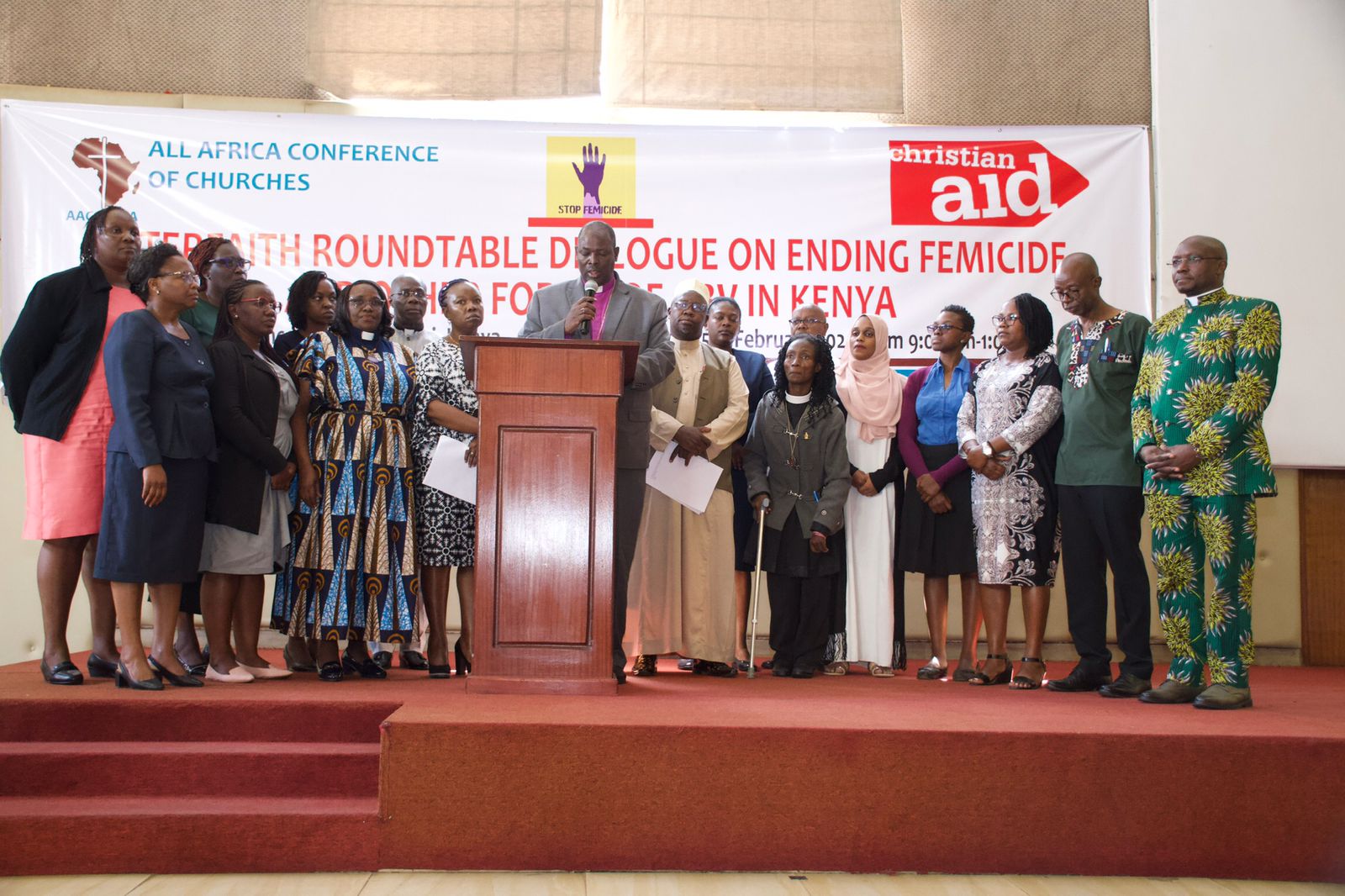
By Cynthia Masibo
In a groundbreaking gathering transcending religious boundaries, representatives from various faith communities convened to address the pressing issue of femicide and gender-based violence (GBV) plaguing Kenya. Femicide, the deliberate killing of women due to their gender, has surged alarmingly, prompting a collective call for action.
The recent atrocities, including the brutal murders of Starlet Wahu and Rita Waeni, underscore the gravity of the situation. Femicide Count Kenya documented a staggering increase in femicide cases, with 152 reported killings in 2023 alone, marking the highest toll in five years. Tragically, 14 additional cases surfaced in January 2024, further highlighting the urgency of the crisis.
The Kenya Demographic and Health Survey revealed that over 40 percent of women have encountered physical or sexual intimate partner violence in their lifetimes. Moreover, societal responses have often shifted blame onto victims, perpetuating a cycle of injustice and impunity. It is evident that violence against women and girls transcends individual tragedies; it is an assault on humanity itself.
The sacred texts of various faith traditions emphasize the pursuit of knowledge and understanding, urging believers to confront the scourge of gender-based violence. Recognizing the complexity of this epidemic is paramount to crafting effective interventions. Silence is no longer an option; addressing GBV is a matter of life, dignity, faith, and human rights.
Commendations and Calls to Action
The media’s role in amplifying these atrocities is commended, as well as the efforts of organizations and activists who have raised their voices against GBV. A resounding call is directed at the government of Kenya to expedite justice for victims and enforce existing laws, including the Sexual Offences Act and the National Policy on Prevention and Response to Gender-based Violence.
Furthermore, adherence to international treaties such as the Maputo Protocol and CEDAW is imperative in combating GBV effectively. Institutions of learning are urged to prioritize human dignity and foster respect for all genders among their students.
Interfaith Commitment
The faith community in Kenya pledges unwavering solidarity in condemning femicide and GBV. Embracing the principles of justice, human dignity, and the sanctity of life, religious leaders commit to comprehensive and collaborative action. Key initiatives include:
Education and Awareness: Congregations and communities will be educated on the root causes of GBV, challenging harmful stereotypes and promoting healthy relationships based on equality and mutual respect.
Interfaith Collaboration: Recognizing the strength in unity, continuous dialogue and collaboration will address societal norms contributing to femicide, fostering behavioral transformation.
Support Services: Awareness of existing support services will be heightened, and efforts will be made to establish accessible resources for survivors and their families, including pastoral counseling and safe spaces.
Advocacy for Legal Reform: Engagement with policymakers will focus on strengthening legal frameworks and ensuring their enforcement to combat GBV effectively.
Call to Action
Every citizen, irrespective of religious affiliation, is urged to join the fight against femicide. It is a collective responsibility to create a society where women can live free from fear, violence, and discrimination. Together, let us strive for a Kenya where every life is valued, and every woman can realize her full potential without the threat of harm.
The gathering concludes with gratitude for attention and collaboration in addressing this urgent matter. May the shared commitment to justice and compassion guide efforts toward a safer and more equitable society for all Kenyans.
Similar Posts by The Mt Kenya Times:
- Mt Kenya Times ePAPER September 19-20, 2026
- Kenya joins US and UK to put citizens on the terrorism frontline
- Kenya’s parliament races to tame the AI frontier
- Kalonzo calls Ruto to order over Uhuru attacks
- Gachagua takes his 2027 campaign to America
About the Author