The Mt Kenya Times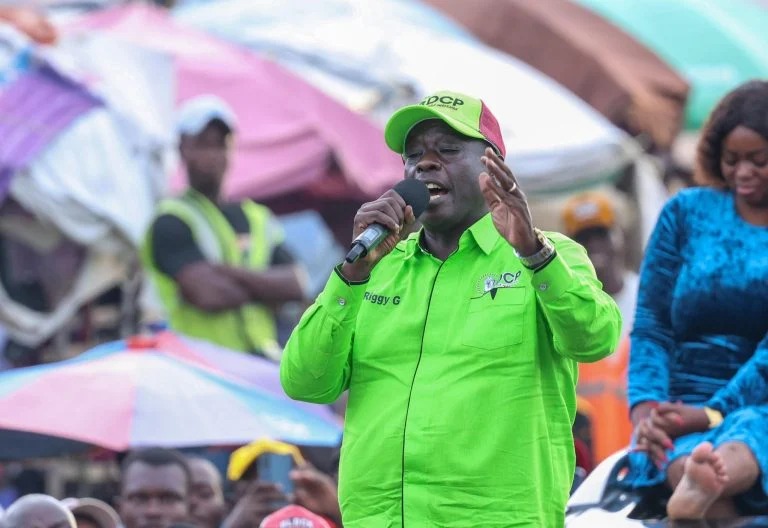
Former Deputy President Rigathi Gachagua
Mt. Kenya’s political unity drive hits turbulence as regional leaders push back on DCP consolidation
By Hadassah Karangu
Politics is often described as a game of numbers, but behind those numbers lies something far more important: trust. As former Deputy President Rigathi Gachagua works to consolidate support under the Democracy for the Citizens Party (DCP), resistance from some regional leaders has sparked a pointed question — why are some reluctant to follow, and does that reluctance signal a deeper crisis of confidence?
The pushback suggests that the road to political unity is more complicated than Gachagua’s camp had anticipated. He has consistently argued that a single, united party would strengthen Mt. Kenya’s bargaining power ahead of the 2027 General Election. Not everyone is persuaded.
Several leaders insist their objection is not to unity itself but to the manner in which it is being pursued. They believe cooperation can be achieved while preserving each party’s distinct identity. Others worry that concentrating too much power in one structure could stifle internal democracy and marginalise diverse voices.
That raises a harder question: has the region lost faith in its individual leaders, or are politicians simply guarding their own interests?
Kenyan political history offers a consistent lesson — alliances are rarely built on personalities alone. They require consultation, compromise and mutual respect. Leaders are far more likely to unite when they feel they have a genuine role in shaping a coalition, not merely an expectation that they will fall in line behind one figure.
Personal ambition is also a factor that cannot be ignored. As 2027 draws closer, every political leader is weighing nominations, influence and future positioning. That reality makes many hesitant to dissolve their parties or surrender their political identities before negotiations are even complete.
For ordinary Kenyans, however, the endless realignments grow wearisome. Most citizens are less interested in which party a leader belongs to and more concerned about the cost of living, unemployment, healthcare, education and economic opportunity for young people. While politicians debate coalitions and structures, everyday hardships continue.
The current standoff should also serve as a reminder that unity cannot be imposed. Genuine cohesion grows from shared values, common purpose and trust among leaders. Without that foundation, rallying everyone behind a single party banner may produce the appearance of unity — but little of the substance.
As these developments unfold, a wider question looms: where is Mt. Kenya politics heading? Will leaders find common ground, or will internal divisions erode the region’s influence in national affairs? The answer will carry real consequences for the opposition’s shape going into 2027.
The resistance to Gachagua’s consolidation strategy should not automatically be read as proof of personal distrust. There are legitimate political calculations, ideological differences and strategic interests at play. But the situation does confirm that trust remains one of the most valuable currencies in politics — and without it, even the most ambitious unity plans face serious headwinds.
The coming months will reveal whether dialogue can bridge these divides. One thing is already clear: the choices made today will shape not only Mt. Kenya’s political direction but the broader national landscape as Kenya moves towards 2027.
Similar Posts by The Mt Kenya Times:
- Diaspora Times Global Sep 19 – Sep 25, 2026
- Tibet’s glacial catastrophe: Behind Beijing’s wall of silence, a climate disaster reshapes a region
- Museveni says Uganda overpaid for fuel through Kenyan middlemen as new terminal breaks ground
- Court orders throw KPL season kickoff into doubt
- Can Kenyans abroad become the untapped force that transforms Kenya?
About the Author