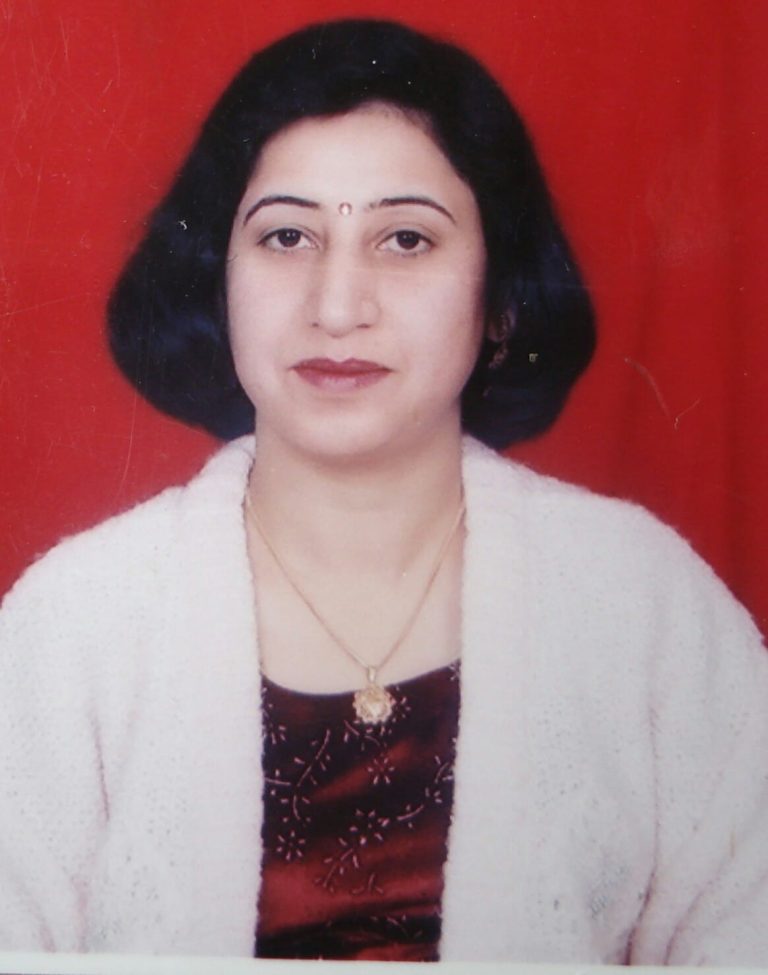
Aziza Saparbaeva

“Between Two Doors” is a novel by Utkir Hashimov, written in 1982-1985, depicting the period of the Second World War and its aftermath.
Seeing the title of the work and the cover of the book, some readers do not rush to think about the book, we can express the name of the work as the “station from birth to death” of a person.
The happiness or misery that befalls a person in this interval depends on what we have done and what we have not done.
They say
“Someone is born in heaven and dies in hell.
One is born hellish and dies heavenly.”
The author shows not only the sufferings of the war, but also the trials of thousands of people behind the front lines. The fate of our believing ancestors, who overcame these trials, and those who succumbed to the scourge of the soul, can be a lesson for us.
Maybe for you too, it seems that the tragedy in the work has increased. The author explains it like this:
“Life is not a celebration. War is not a game.”
I will not dwell on every character and every event in the play. But I would like to draw your attention to this passage taken from the language of the elder Arif.
Conclusion, of course, from yourself…
“There are people who are the same: he enters the door and when he leaves the door, he does what he can. He leaves at least one brick in the building called life.
There are others: he wants to steal at least one brick from that building. He can’t go anywhere by stealing it, and when he goes to the other door, he leaves it anyway. The only thing left to do is demolish the building…”
Aziza Saparbaeva
Similar Posts by The Mt Kenya Times:
- Mt Kenya Times ePAPER October 23, 2026
- Ruto’s parting COMESA call: Remove the barriers, honour the commitments
- Direct hospital access to KEMSA cuts drug delays, says PS
- Africa can’t wait: Continent seeks $1 trillion for climate adaptation
- Ruto passes the baton as Africa’s trade bloc faces a fragmenting world
About the Author