The Poet’s Silence, The World’s Noise: Who Needs Literature Today?

Reflections on an age in which words multiply, yet understanding the human heart becomes increasingly difficult.
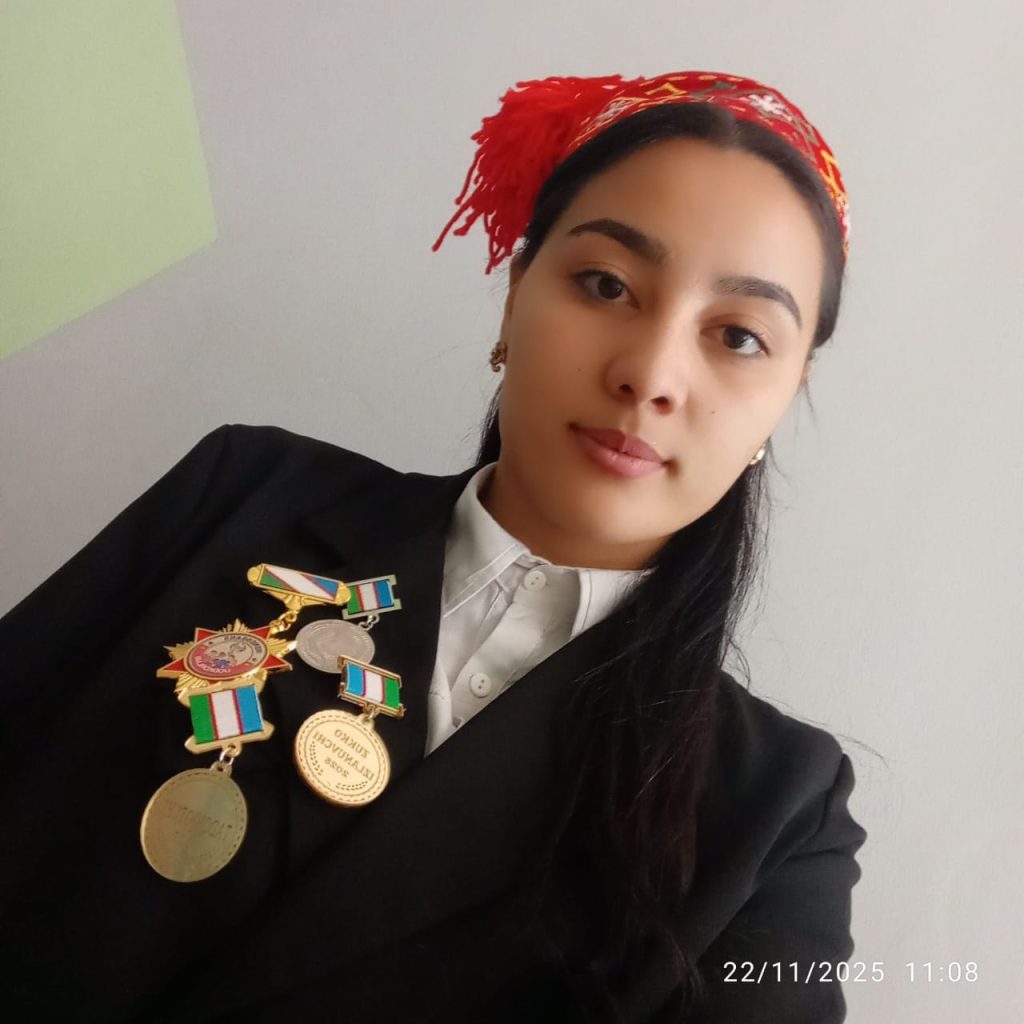
By: Kurtklicheva Sabrona Umarovna
3rd-Year Student, Karakalpak State University
Today, the world is speaking. Screens, headlines, and millions of voices create an endless flow of information. Thousands of texts are written and countless sentences are read every day. Yet one question remains: why, in a world where everyone can speak, is it still so difficult for people to understand one another?
Perhaps this is where the importance of literature begins.
Literature was not created to add another voice to the noise. Its purpose is to understand the human being behind that noise, express unspoken pain, and preserve meanings that are disappearing in the rush of everyday life. Literature’s greatest rival is not modern technology, but our growing inability to make time for deep feelings and independent thought.
Whose Pain Does the Poet Write About?
A poet’s silence can sometimes be heavier than thousands of words. Within that silence live questions about loneliness, kindness, justice, and human suffering.
A poet does not always need to provide answers. Sometimes, the poet notices what others overlook, remembers what others forget, and finds words for feelings that people cannot express.
Today’s writers face a difficult challenge. They want to create meaningful works, while the modern world demands speed and instant attention. Consequently, popularity can become more important than artistic value. Yet a widely viewed work is not necessarily profound, and a rarely read work does not lose its worth.
The true value of literature lies not in the number of readers, but in the thoughts and changes it awakens in their hearts.
Between Popularity and Meaning
Modern technology has given writers an extraordinary opportunity to reach readers worldwide. A young poet can share a poem with thousands of people through a single digital platform. Nevertheless, an important question arises: for whom does a writer write? When applause becomes the main goal, writers may change their voices to satisfy others. True literature, however, does more than entertain. It encourages people to think, question their beliefs, and see familiar things differently. Sometimes, literature comforts us; at other times, it confronts us with truths we would rather avoid.
Literature as Inner Freedom
Literature allows us to experience lives beyond our own. Through novels and stories, we enter unfamiliar worlds, understand different destinies, and discover emotions shared by people across cultures. Love, loneliness, hope, and the desire for justice connect humanity despite differences in language and nationality. Reading another nation’s literature teaches us to listen before judging and to approach unfamiliar experiences with compassion.
Literature cannot solve every social problem, but it can deepen our understanding of others. That is why it is not merely entertainment; it is a spiritual necessity that enriches our inner world and expands our imagination.
The Responsibility of a Young Writer
Young writers should understand their national language, history, and literary heritage while remaining open to the wider world. National literature becomes stronger not by abandoning its identity, but by sharing its distinctive voice with other cultures. In my view, a young writer’s greatest responsibility is to discover an authentic voice rather than imitate the noise of the age. That voice need not be loud. It must be sincere, thoughtful, and committed to truth.
So, Who Needs Literature Today?
Literature is needed by everyone searching for meaning, trying to understand others, or wishing to preserve the richness of their mother tongue.
A poem cannot replace the law, and a novel cannot immediately eliminate poverty. Nevertheless, literature can influence how people perceive injustice, treat one another, and understand their responsibilities. The noise of the age will eventually fade. Technologies will change, priorities will shift, and famous names will be forgotten. Yet questions about love, justice, loneliness, and hope will remain. Literature carries these questions from one generation to the next.
So, who needs literature today?
Perhaps everyone who does not wish to lose the voice of their own heart. True creativity does not begin with making noise, but with finding words worthy of being heard. The world has given us more opportunities to speak. Now, literature must remind us what we should speak about—and why.
BIOGRAPHY
Kurtklicheva Sabrona Umarovna was born in 2005 in Samarkand, Uzbekistan, into a hardworking family. At the age of eight, she moved with her mother to the Turtkul District of the Republic of Karakalpakstan. In 2024, she graduated from General Secondary School No. 9 with a silver medal.
Throughout her school years, she actively participated in various competitions and academic olympiads, achieving notable success. As a young poet, she is passionate about creative writing and writes poems and short stories. She is also interested in translation and literary exchange.
In 2024, she was admitted to Berdaq Karakalpak State University, majoring in Philology and Language Teaching: the Karakalpak Language, on a tuition-paying basis. She is currently a third-year student. During her second and third years of study, she earned state-funded scholarships, enabling her to continue her education on a state grant.
In 2025, her first poetry collection, Käbäme, was published. In 2026, she published a collection of short stories entitled Ömür and a translated book entitled Karakalpak Folk Tales.
Through her literary work, Sabrona seeks to explore human values, love and affection, the realities of life, and the complexities of human destiny. Looking ahead, she aims to continue developing her work in literature and translation while promoting the richness and cultural heritage of her mother tongue.
Similar Posts by The Mt Kenya Times:
- Mashujaa Day 2026: What does Kenya owe the heroes it exports?
- My Mother Tongue — The Most Sacred Voice Of My Heart
- General conditions for the development of preschool-age children
- Polycystic Ovary Syndrome: Diagnostic Challenges And Its Impact On Reproductive Health
- Understanding parentification and its impact on learning
About the Author