Jubilee Party: A Detailed Analysis Of The Former Ruling Party’s Revival
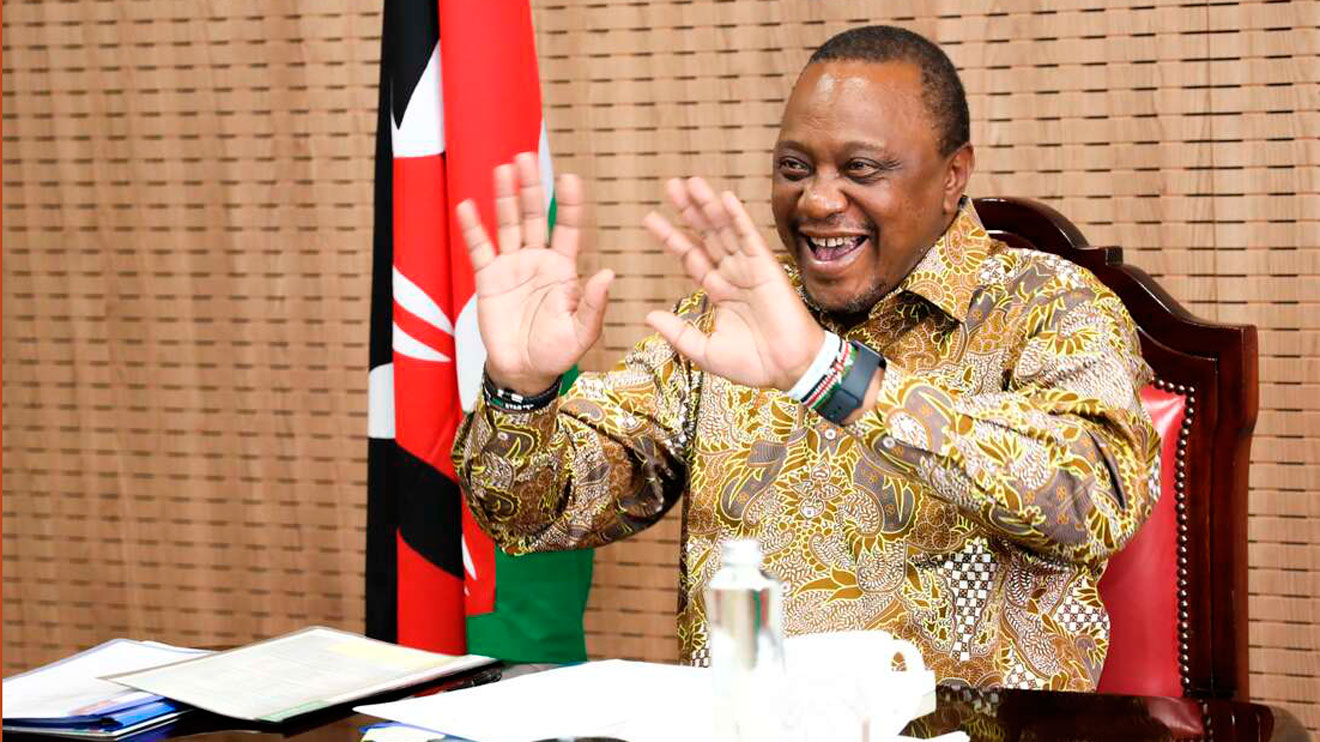
Former President Uhuru Kenyatta
By Ezekiel Kamau
The recent High Court ruling reinstating former President Uhuru Muigai Kenyatta as the leader of the Jubilee Party has sparked renewed energy and optimism among its members nationwide.
This decision is not just a legal win but a political turning point that has reinvigorated the party’s base and brought its loyalists into the limelight.
Here are some aspects that are worth noting.
Legal Foundation and Leadership Clarity

The High Court ruling clarified the party’s leadership structure, ending months of internal wrangling and uncertainty. By reinstating Kenyatta, the party gained a renewed sense of purpose under a leader whose tenure is associated with national cohesion and economic growth during his presidency. This legal victory is foundational for rebuilding party unity and restoring confidence among its members and supporters.
Regional Dynamics
The revival of the party is unfolding differently across various regions, reflecting the diverse socio-political landscape of Kenya.
For example, in Nakuru County, the chairman Mr. Gichuru’s celebration of the ruling reflects grassroots-level excitement. Such local leadership is critical for mobilizing support and ensuring the party’s presence in key counties.
Nakuru county assembly former speaker Joel Kairu’s steadfast loyalty during turbulent times, especially his role during the “Sufuria Revolution” protests, positions him as a symbolic figure of resilience in the area. His political capital could prove invaluable in rallying support in Nakuru.
In the neighbouring Laikipia County Ms. Sarolyne Mwendia’s experiences of persecution highlight the sacrifices made by party loyalists. Her continued allegiance despite adversity underscores the enduring appeal of the Jubilee Party’s ideals.
The likes of Mwendia represent the party’s ability to attract resilient and committed leaders.
At the country’s top town and capital city; Nairobi County, prominent leaders like Jeremiah Kioni symbolize the urban, intellectual, and strategic face of Jubilee.
Nairobi’s political dynamics are crucial for national visibility, making the role of these figures pivotal in shaping public perception.
Grassroots and National Impact

The involvement of local leaders, activists, and aspirants like Kairu and Mwendia reveals a deep commitment to the party at the grassroots level. Their sacrifices, including arrests and political intimidation, have become rallying points for the party’s revival narrative. These stories are crucial in galvanizing support among ordinary citizens, many of whom see these leaders as champions of their struggles.
At the national level, the resurgence of Jubilee signifies a potential shift in Kenya’s political landscape. The party’s ability to reconnect with its base, rebuild its image, and position itself as a formidable opposition or alternative will determine its future influence.
Challenges Ahead
While the revival is promising, the Jubilee Party faces several challenges which include among other issues; Rebuilding Trust where years of internal conflict and external pressures have eroded trust among members and supporters. A cohesive strategy to rebuild this trust is very critical.
The other challenge is youth engagement where many young Kenyans have become disillusioned with 0traditional politics. The party must craft policies and campaigns that resonate with the youth.
Also in the same cage is the issue of resource mobilization that will have to address, among other factors, reviving party structures, funding activities and supporting candidates that will require significant financial and organizational resources.
Another major issue us the opposition dynamics. The former ruling party must navigate its relationship with both the government and other opposition parties and ensure that its voice remains distinct and influential.
Strategic Recommendations
To ensure sustained revival, the party should consider:, among other factors; acknowledge its loyalists by among other things, publicly recognizing and rewarding loyalists like Kairu, Mwendia, and Kioni as a way of motivating others to rally behind the party.
The party must also consider the issue of rebranding where it will be expected to initiate crafting of a new image that reflects inclusivity, resilience, and forward-thinking policies that will attract new supporters.
Jubille party must also embark on grassroots engagement with the aim of strengthening county-level structures and engaging directly with citizens on their concerns will consolidate its base.
It must also factor in Youth and Women Inclusion in running of its affairs at all levels. This can be done by among others initiatives, expanding platforms for youth and women positions as a progressive force.
Not left behind is the strategic alliances which will involve collaborating with like-minded parties or movements that will amplify its voice on national issues.
In conclusion, Jubilee party’s revival represents both a challenge and an opportunity.
The momentum generated by the court ruling can serve as a springboard for rebuilding its structures, uniting its members, and reclaiming its position in Kenya’s political arena. With strategic planning and sustained effort, the party has the potential to redefine its legacy and secure its future.
Ezekiel Kamau is an analyst and accountability ambassador Nakuru county
Similar Posts by The Mt Kenya Times:
- AI Curse or boon: The Future of Intelligence: Artificial or Emotional?
- Dr. Ekrah Ndung’u wins TVET advocacy award after 12 years
- Mt Kenya Times ePAPER October 17-18, 2026
- Ruto bets billions on Kerio Valley — with one eye on 2027
- Ruto’s health ministry kills Murang’a’s digital hospitals
About the Author