Kalonzo Musyoka’s Strategic Defense: A Call For Unity Amidst Political Turmoil

Wiper Party Leader Kalonzo Musyoka

By: James Kilonzo Bwire
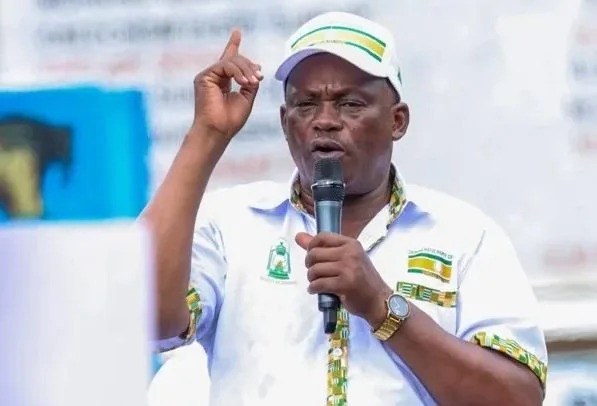
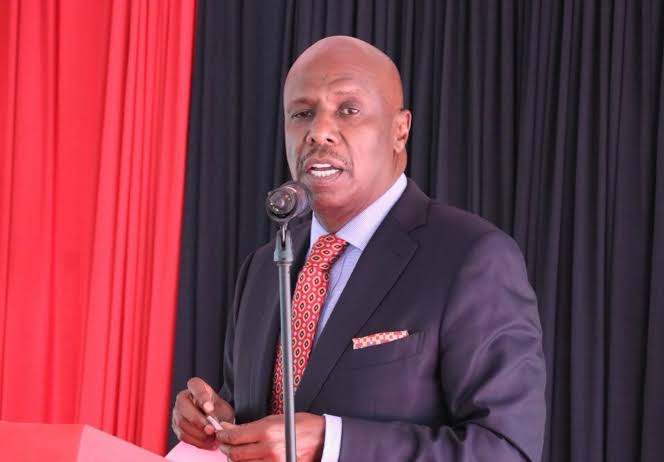
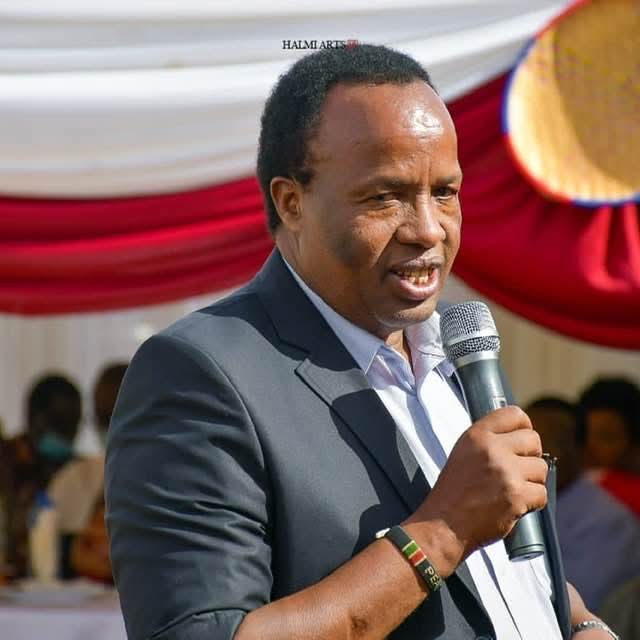
Wiper party leader Kalonzo Musyoka has made a compelling statement regarding the ongoing political turbulence surrounding Deputy President Rigathi Gachagua. His assertion that any impeachment motion against Gachagua should also encompass President William Ruto reflects a strategic maneuver in the current political landscape, where alliances and power dynamics are constantly shifting. Kalonzo’s remarks not only serve to defend Gachagua but also highlight broader issues of accountability and governance within the current administration.
Kalonzo’s position is rooted in the principle of collective responsibility. By insisting that if Gachagua is to be impeached, then Ruto must also face similar scrutiny, he underscores the interconnectedness of their leadership roles. This perspective resonates with many Kenyans who believe that leaders should be held accountable for their actions as a cohesive unit rather than isolating individuals for political expediency. In a political environment where the blame game is rampant, Kalonzo’s call for a unified approach could foster a more honest dialogue about governance and responsibility.
The backdrop to this political drama is the alleged plot to impeach Gachagua, which has gained momentum amid accusations of misconduct and mismanagement. Critics argue that this move is less about accountability and more about political maneuvering—an attempt to distract from pressing national issues such as the controversial takeover of Jomo Kenyatta International Airport by the Adani Group. Kalonzo’s assertion that targeting Gachagua alone serves as a diversion from these critical matters highlights a growing sentiment among opposition leaders who are wary of government tactics to shift public focus away from legitimate concerns.
Moreover, the political climate surrounding this impeachment motion reflects deeper fractures within Ruto’s administration. The Deputy President has linked the impeachment efforts to a broader strategy aimed at undermining his allies through “trumped-up charges.” This narrative of victimhood could resonate with constituents who perceive Gachagua as being unfairly targeted, thus potentially rallying support for him and against those perceived as orchestrating his downfall.
Kalonzo’s remarks also tap into a larger discourse on the role of opposition parties in Kenya’s democracy. As the Wiper leader positions himself as a defender of Gachagua, he reinforces the notion that opposition parties must remain vigilant against what they view as government overreach or manipulation. This stance not only solidifies his party’s role in holding the ruling coalition accountable but also seeks to unify opposition voices against perceived injustices within the government.
The implications of Kalonzo’s call for joint impeachment proceedings extend beyond Gachagua and Ruto; they speak to the need for systemic reforms in how political accountability is approached in Kenya. If leaders are seen as operating above reproach while their subordinates face the brunt of political fallout, it perpetuates a culture of impunity that undermines public trust in governance. By advocating for collective accountability, Kalonzo is challenging this status quo and urging a reevaluation of how leadership failures are addressed.
As discussions around the impeachment motion continue, it will be crucial for all stakeholders—including MPs, civil society, and citizens—to engage in meaningful dialogue about governance standards and expectations. The political landscape is rife with opportunities for reform, and Kalonzo’s position could serve as a catalyst for broader conversations about ethical leadership and accountability mechanisms in Kenya.
Furthermore, Kalonzo’s comments come at a time when public sentiment is increasingly leaning towards demanding transparency and integrity from elected officials. The tragic loss of lives in recent incidents, such as school fires, has heightened public awareness regarding safety regulations and government oversight. In this context, any perceived attempts to sidestep accountability—whether through impeachment motions or other means—will likely be met with public scrutiny.
Kalonzo’s defense of Gachagua also aligns with his broader political strategy as he positions himself for future electoral contests. With an eye on the 2027 presidential elections, where he is expected to challenge President Ruto directly, Musyoka’s actions serve dual purposes: protecting an ally while simultaneously reinforcing his own relevance within Kenya’s opposition landscape. His past loyalty to Raila Odinga and recent moves to consolidate support within Azimio indicate that he is preparing to step into a leadership role that could reshape Kenya’s political future.
Moreover, Kalonzo’s charm offensive aimed at winning over key constituencies—including outreach efforts in Mount Kenya—demonstrates his commitment to building alliances across regional lines. By positioning himself as a unifying figure who stands firm against government overreach while advocating for collective accountability, he aims not only to bolster his own presidential aspirations but also to galvanize support among disillusioned voters seeking alternatives to Ruto’s administration.
Ultimately, Kalonzo Musyoka’s assertion that any impeachment motion against Gachagua should include President Ruto encapsulates a critical moment in Kenyan politics. It challenges leaders to reflect on their collective responsibilities while urging citizens to remain engaged in holding their leaders accountable. As Kenya navigates these turbulent waters, it is imperative that all parties prioritize governance over political expediency, fostering an environment where ethical leadership can thrive.
In conclusion, Kalonzo’s strategic defense serves not only to protect his political ally but also to advocate for a more equitable approach to accountability within Kenya’s leadership structure. As Kenyans watch these developments unfold, they will undoubtedly weigh the implications of this political maneuvering on their trust in government institutions and their leaders’ commitment to serving the public good. The outcome of this situation may very well shape the future dynamics of Kenya’s political landscape and its approach to governance in an increasingly complex world.
As Kenya approaches another election cycle with heightened expectations for transparency and ethical governance, Kalonzo Musyoka stands at a pivotal crossroads—one where his actions today could define not only his legacy but also the future trajectory of opposition politics in Kenya.
James Kilonzo Bwire is a Media and Communication Practitioner.
Similar Posts by The Mt Kenya Times:
- Diaspora Times Global Oct 24 – Oct 30, 2026
- America’s baby bust: U.S. birth rate hits record low as women choose later motherhood
- Literary Outreach Incubation Program Instills The Culture From Book Adaption To Spoken Words
- Why starting school too early is failing our children
- Who defines Africa’s destiny? The western lens, African compliance and the struggle for intellectual sovereignty
About the Author