Alex Karoki
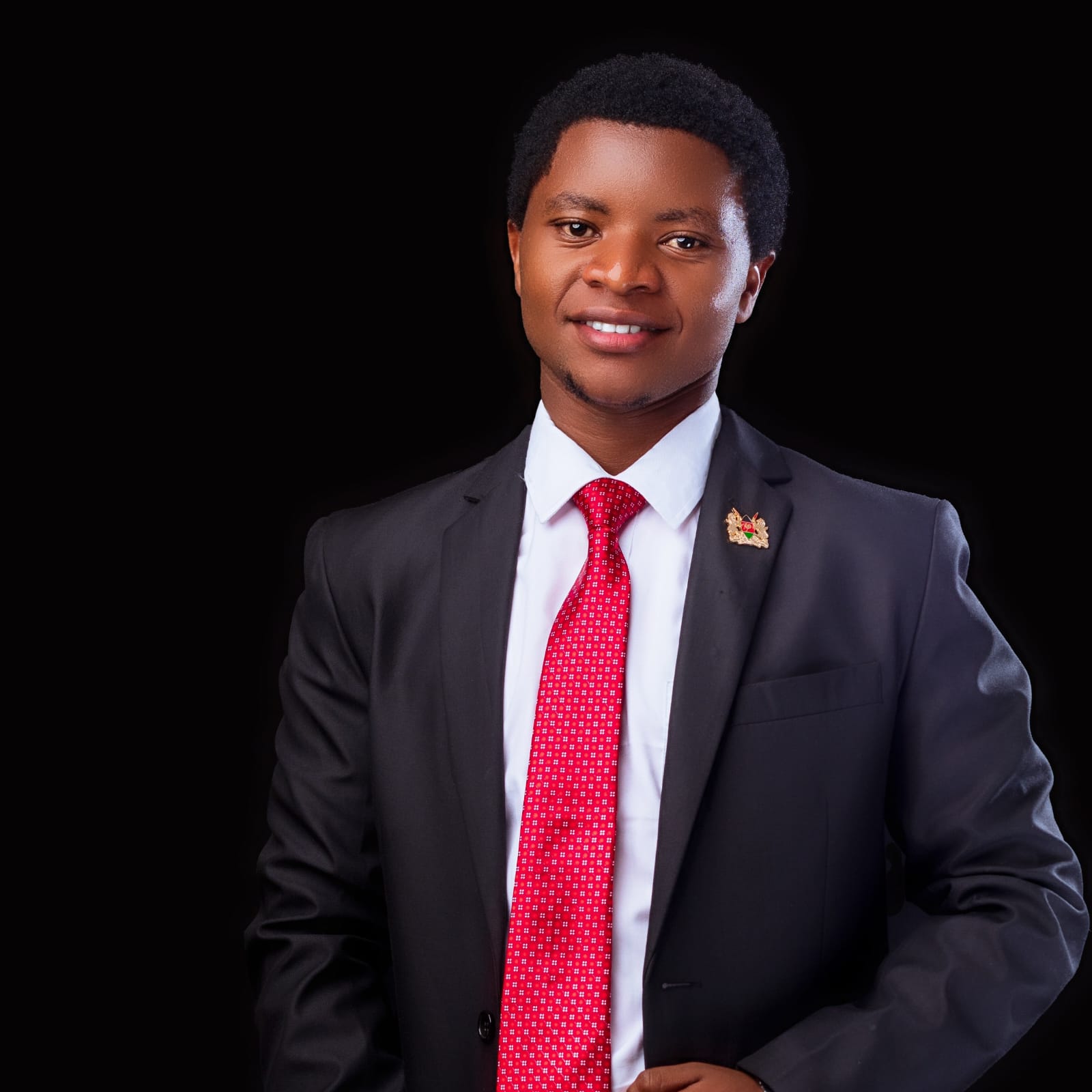
In an era where student leadership is increasingly defined by vision, accountability, and the courage to challenge the status quo, one name is steadily rising within Mount Kenya University (MKU) circles both at home and in the diaspora: Alex Karoki. An aspiring President of the Mount Kenya University Students Association (MKUSA), Karoki represents a new generation of leadership rooted in service, inclusivity, and results-driven action. As the MKUSA 26/27 elections draw closer, his message is resonating far beyond the university gates—reaching parents, alumni, and Kenyans abroad who are keenly watching the future of youth leadership.
Alex Karoki’s journey is not framed by privilege or political inheritance, but by consistent engagement with students and a deep understanding of their everyday struggles. From academic concerns and welfare issues to representation and institutional transparency, Karoki has positioned himself as a listening leader—one who believes that the student voice is not a slogan but a responsibility. His campaign theme centers on restoring trust between student leadership and university administration while ensuring that students remain at the heart of every decision.
What sets Karoki apart is his firm belief that Mount Kenya University is more than an institution of learning—it is a community. He argues that leadership must be visible, accessible, and accountable. Over the past months, he has actively engaged students across different campuses through open forums, informal dialogues, and consultative meetings aimed at understanding real issues affecting learners.
Members of the Kenyan diaspora, many of whom are parents, sponsors, and alumni of MKU, have taken note. In various diaspora forums and associations, Karoki’s name frequently comes up as an example of ethical, articulate, and people-centered leadership.
Central to Karoki’s agenda is student empowerment. He has consistently spoken about strengthening platforms that connect students with opportunities such as leadership development, innovation spaces, mentorship, and collaboration with alumni and industry players.
Karoki is also vocal about inclusivity. In a diverse university like MKU, he emphasizes that leadership must reflect and respect all students regardless of background, campus, or social status.
Another pillar of his leadership philosophy is transparency. He advocates for clear communication on student funds, decision-making processes, and policy engagements with the administration.
Beyond campus politics, Alex Karoki symbolizes a broader shift in Kenyan youth leadership. His candidacy reflects aspirations for fairness, integrity, and service.
As the MKUSA elections approach, momentum continues to build around Karoki’s campaign. His slogan captures this spirit: leadership that listens, acts, and delivers.
For the Kenyan diaspora, Alex Karoki’s journey is a reminder that meaningful leadership begins early. Many see not just a student leader in the making, but a symbol of hope—a young Kenyan ready to take the lead and leave Mount Kenya University stronger than he found it.
Similar Posts by The Mt Kenya Times:
- Not every struggling student is lazy
- Laikipia University: A natural haven for learning
- Why you should not milk a Kenyan buffalo
- Beyond the scars: The grief, fear and hope of living after breast cancer
- Obaga Momanyi hosts free medical camp for Persons with Disabilities in Bonchari
About the Author