Kenya Urges Tanzania to Lift Trade Hurdles After New Tax and Licensing Rules
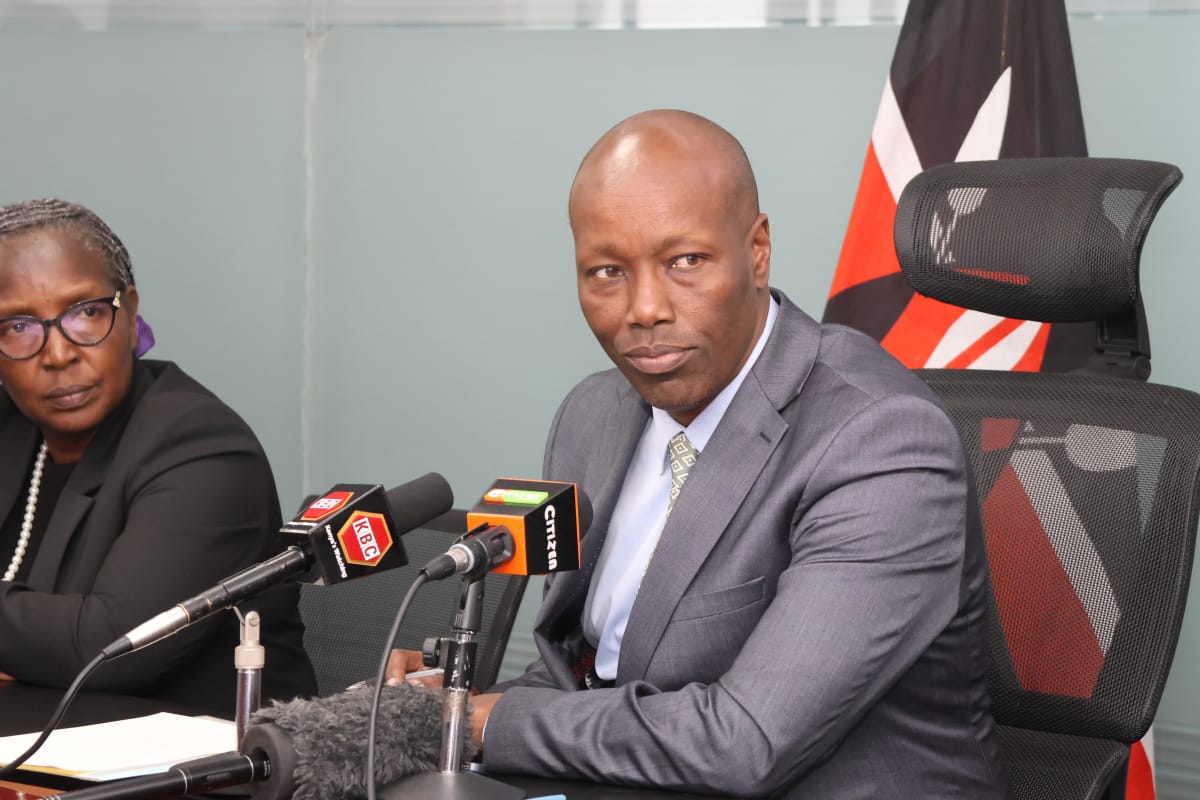
In picture, Cabinet Secretary, Ministry of Investments, Trade and Industry Lee Kinyanjui during a press briefing at the MITI offices in Nairobi.
By Aoma Keziah,
Cabinet Secretary for Investments, Trade and Industry, Lee Kinyanjui, has raised fresh concerns over new tax demands and licensing barriers introduced by Tanzania, saying that the changes could reverse progress made under the East African Community agreement.
Speaking at the MITI offices in Nairobi , Kinyanjui said that Kenya still counts the EAC as its largest export market, making up nearly a third of its total exports.
“Tanzania stands as Kenya’s second top trading partner in the bloc, after Uganda, with goods worth about Ksh 63 billion traded this year alone,” he stated.
However, he warned that recent changes in Tanzanian law could block this growth. He pointed to the new Tanzania Finance Act for next year and changes to an older Excise Act, which bring in fresh excise charges and an industrial levy of up to 15 percent.
Also troubling to Kenya is a new order that bars foreigners from running some businesses in Tanzania. The rules touch 15 types of services, from micro businesses to small factories. While Tanzanians have the right to set rules at home, the trade CS said that such measures should not clash with the EAC agreement, which lets people from member countries set up shop freely across the region.
“The new taxes and licensing rules cut across the heart of our shared market goals. Kenya has asked Tanzania to drop these changes and stick to what EAC members agreed on,” explained Kinyanjui.
So far, Kenya has held talks within the region and at smaller forums with Tanzanian officials, to make sure all tax measures fit within the wider Customs Union rules. One regional council has already told the EAC secretariat to prepare a full list of taxes that may go against the deal, with a deadline at the end of August.
Kenya and Tanzania plan more talks in August, including a meeting on the tobacco trade and a wider session on fees and other charges.
The Trade CS further added that Kenya stays hopeful that the ongoing talks will sort out these issues in good faith. He added that the country wants to see the region stay true to the promise of free trade and movement, which has long guided East African cooperation.
“Our commitment to fair trade remains firm. We trust our neighbours share this view,” he concluded.
Similar Posts by Aoma Keziah:
- Nationwide Youth Business Drive Enters Last Lap With New Nyota Trainings
- Green Light From Washington Sets G42 On Fast Track to Build Region’s Most Powerful AI Network
- Safina Eyes Kariobangi North Seat in Intensified Push Before Poll Day
- KEBS Opens Talks With Manufacturers On New Standards Levy Order 2025
- Kenya, Uganda And South Sudan Chart Way Forward On East Africa Rail Corridor
About the Author


 The Mt Kenya Times