Kenya’s next election is already being fought — and the Constitution is the battleground

As Kenya marks sixteen years of its 2010 Constitution, the political manoeuvring ahead of the August 2027 general election has already begun — and the document meant to govern the contest is itself under siege
By David Kimani
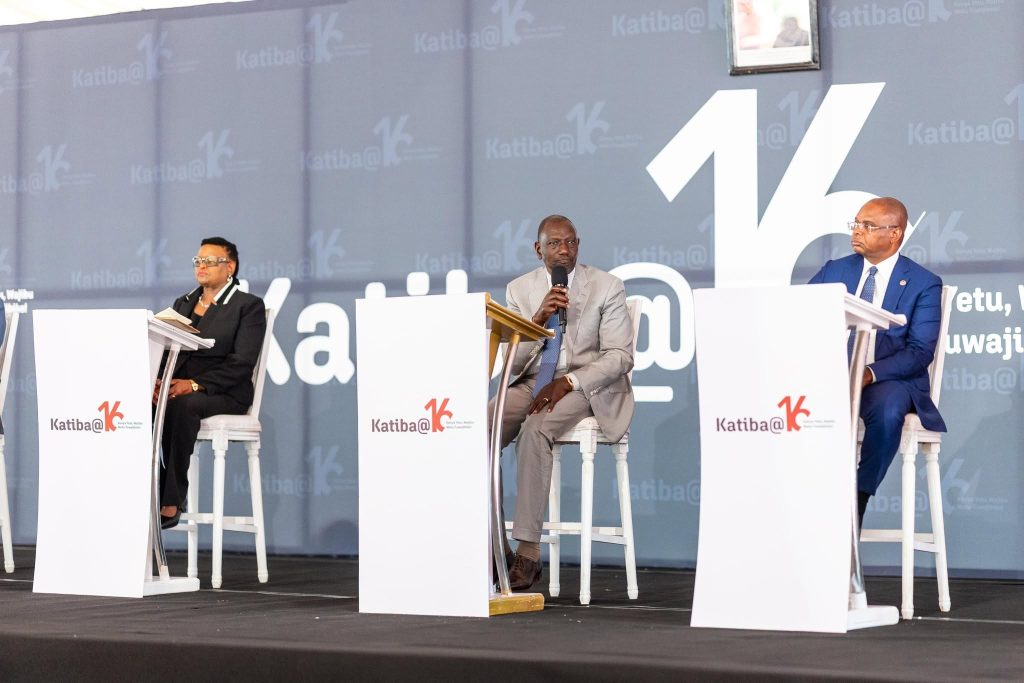
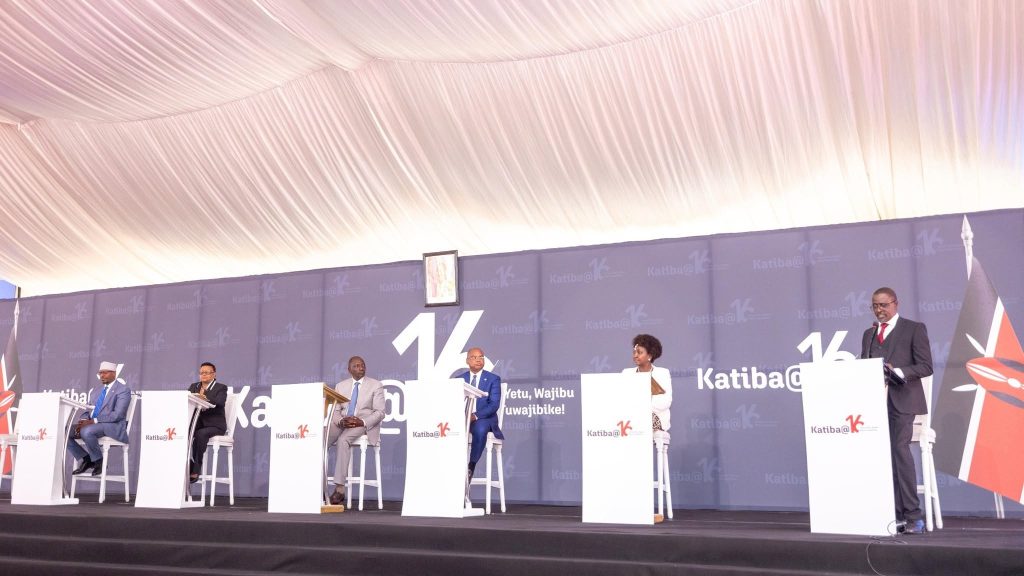
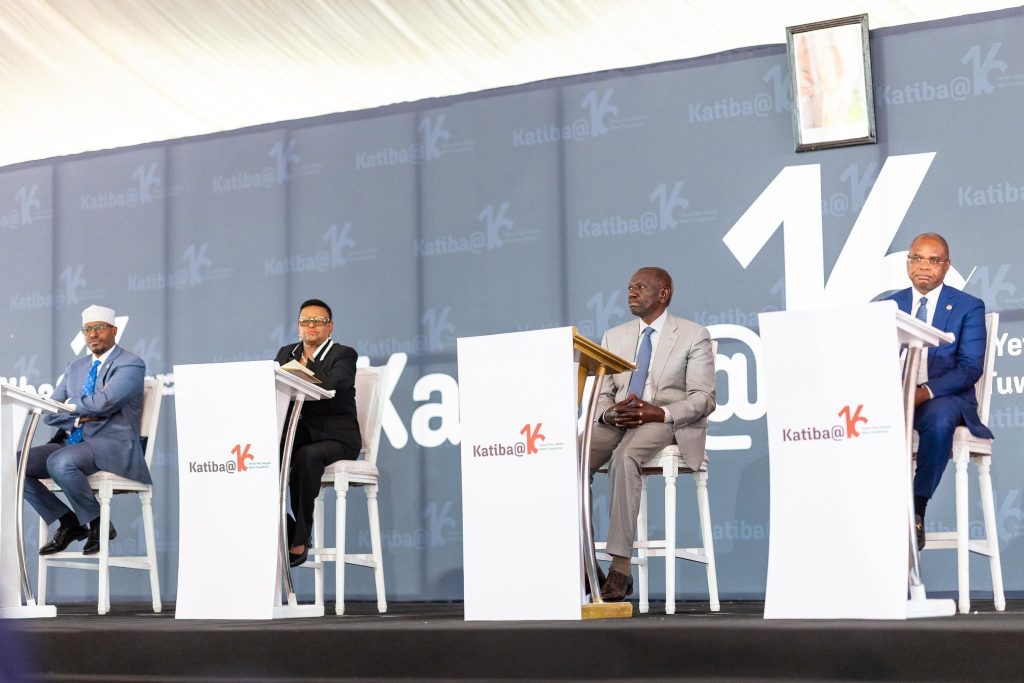
Kenya marked the 16th anniversary of its 2010 Constitution yesterday at the Kenyatta International Convention Centre in Nairobi, but beneath the ceremonial pageantry lay a political landscape already convulsed by the calculations, alliances and anxieties of a nation hurtling toward a general election in August 2027.
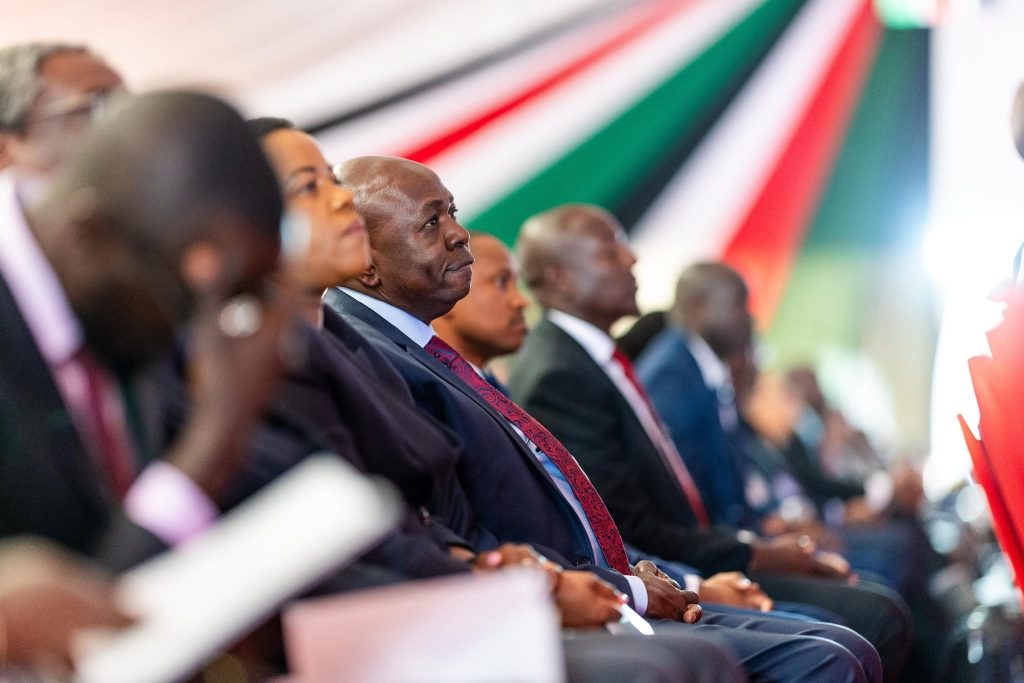
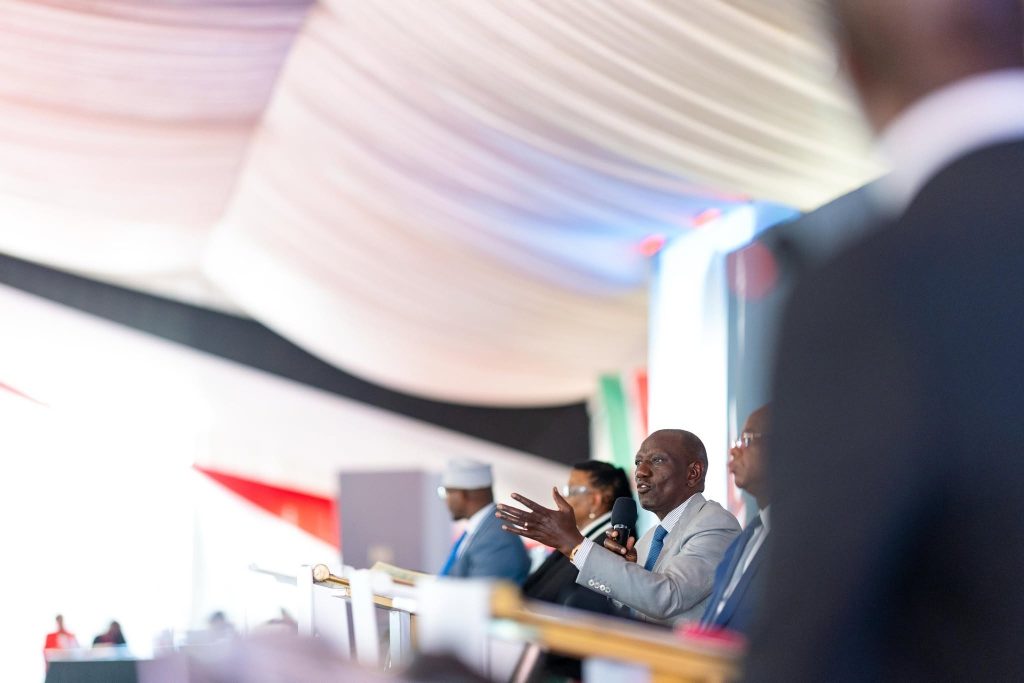
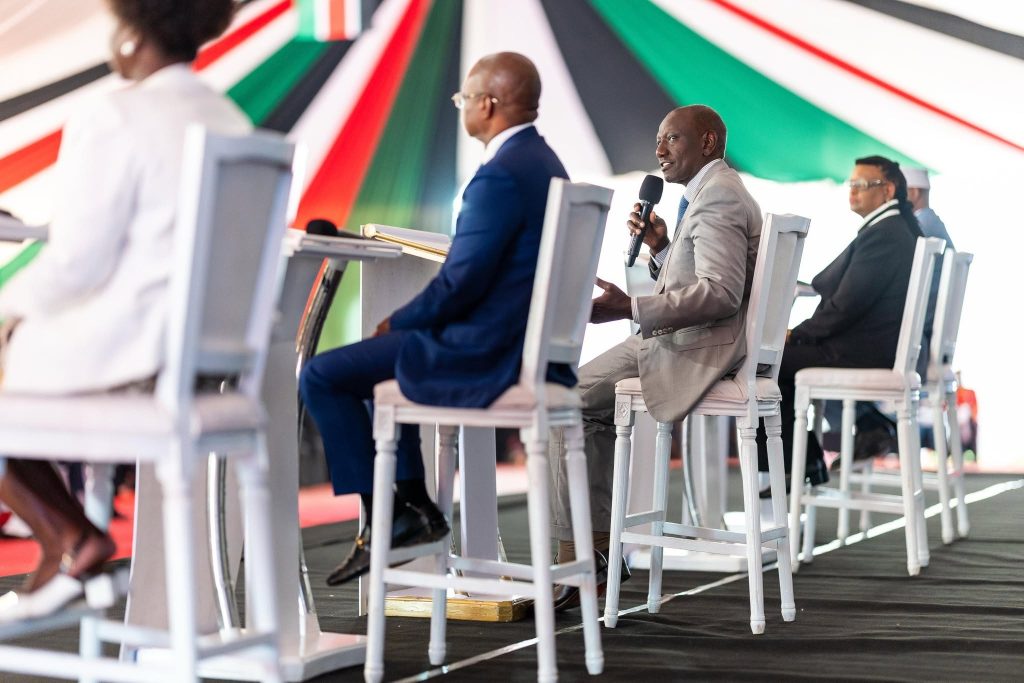
The occasion — Katiba Day — brought together politicians, jurists, civil society leaders and ordinary citizens to reflect on what the Constitution has delivered and what it has not. What emerged was less a celebration than a national audit, conducted in public, with findings that made for uncomfortable listening.
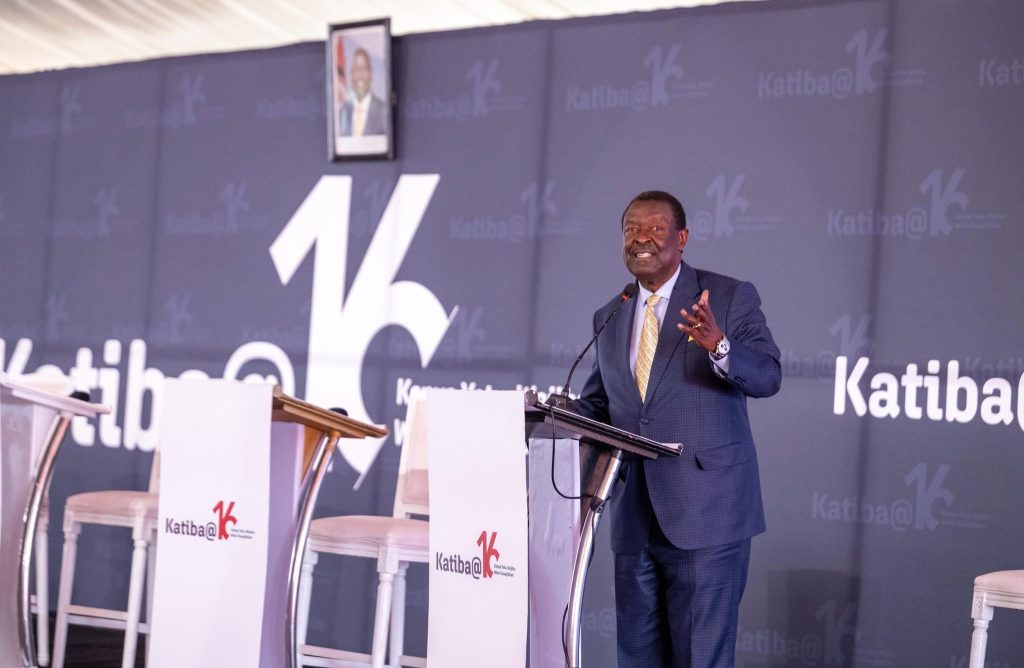
The verdicts from the podium were blunt. Wiper Patriotic Front leader Kalonzo Musyoka said Kenya had produced “a first-class Constitution and second-class compliance,” accusing state institutions and political leaders of selective adherence to constitutional principles. Retired Judge Aaron Ringera went further, drawing a direct line between constitutional neglect and the abductions that have alarmed rights groups across the country. “If we were implementing the Constitution, would we have abductions in this country? No,” he said, his words landing in a hall where several of the people responsible for that implementation sat in the front rows.
Former Makueni Governor Kivutha Kibwana offered perhaps the sharpest structural critique. The 2010 Constitution, he argued, had been deliberately designed to dismantle the authoritarian concentrations of power that had defined Kenyan governance for decades. Independent commissions, oversight bodies and devolved structures had been given powers previously held exclusively by the Executive — a conscious architectural choice. That architecture, Kibwana warned, was now being reversed. “The Executive is reclaiming that power by ensuring that people appointed to these commissions do what they are told,” he said, describing a pattern of institutional capture whose implications extend well beyond this political cycle.
Those implications are sharpening fast. With twelve months separating Kenya from nomination season and fewer than two years from polling day, the country is entering the period that Kenyan political analysts have long called the “danger zone” — a stretch of heightened ethnic mobilisation, institutional stress-testing and elite deal-making that has historically preceded the country’s most turbulent electoral moments.
The current political configuration is more fractured and more volatile than it appears. President William Ruto enters the election cycle weakened by the Gen Z protests of 2024, the subsequent collapse of his broad-tent government and the defection of key allies. His administration has responded with a combination of economic nationalism, infrastructure messaging and aggressive opposition to what State House describes as foreign interference in domestic affairs — a framing that has found some traction but failed to rebuild the coalition he commanded in 2022.
The opposition, meanwhile, is anything but unified. The death of Raila Odinga in October last year — at the age of 80, while receiving treatment in Kerala, India — removed the dominant organising force of the Azimio la Umoja coalition, a vacuum that no single figure has convincingly filled. Odinga had waged five presidential campaigns over nearly three decades and remained the gravitational centre of opposition politics until his final days. His absence has left ODM fractured, with competing factions claiming to represent his legacy while pulling in opposite directions.
Musyoka, who spent much of the post-2022 period repositioning himself as a constitutional statesman, is edging back toward the centre of opposition politics. His Katiba Day remarks were as much a political statement as a constitutional one — a signal that he intends to contest 2027 on the ground of governance and institutional integrity, a territory he calculates Ruto is most exposed on.
Rigathi Gachagua’s Democracy for the Citizens Party adds a further layer of complexity. Having been impeached as Deputy President in late 2024, Gachagua has spent the intervening months building a Mt Kenya political movement grounded in grievance and ethnic solidarity. His entry into 2027 as an independent political force — rather than as a subordinate within a larger coalition — changes the arithmetic of the Mt Kenya vote in ways that neither Ruto nor the opposition has fully mapped.
The Constitution sits at the centre of all of it. Devolution, the independence of the judiciary, the powers of the Independent Electoral and Boundaries Commission, the rights of assembly and expression — each is both a constitutional guarantee and a political flashpoint. How faithfully those provisions are honoured in the months ahead will determine not only the credibility of the 2027 election but the stability of whatever government emerges from it.
Sixteen years ago, Kenyans voted for a Constitution that was supposed to make their politics safer, their institutions stronger and their rights more secure. Yesterday’s anniversary offered a clear-eyed reckoning with how much of that promise remains unfulfilled — and a warning that the road to August 2027 will test what remains of it.
Some of the moments as captured in pictures


Similar Posts by The Mt Kenya Times:
- Mt Kenya Times ePAPER October 17-18, 2026
- Ruto bets billions on Kerio Valley — with one eye on 2027
- Ruto’s health ministry kills Murang’a’s digital hospitals
- Kenya bets on Mount Kenya to drive a billion-shilling tourism revival
- Do you have a wealth vision? Or are you just working until you die?
About the Author