Kenya’s Phantom Debts And The Case For A Public Debt Truth Commission
 The Mt Kenya Times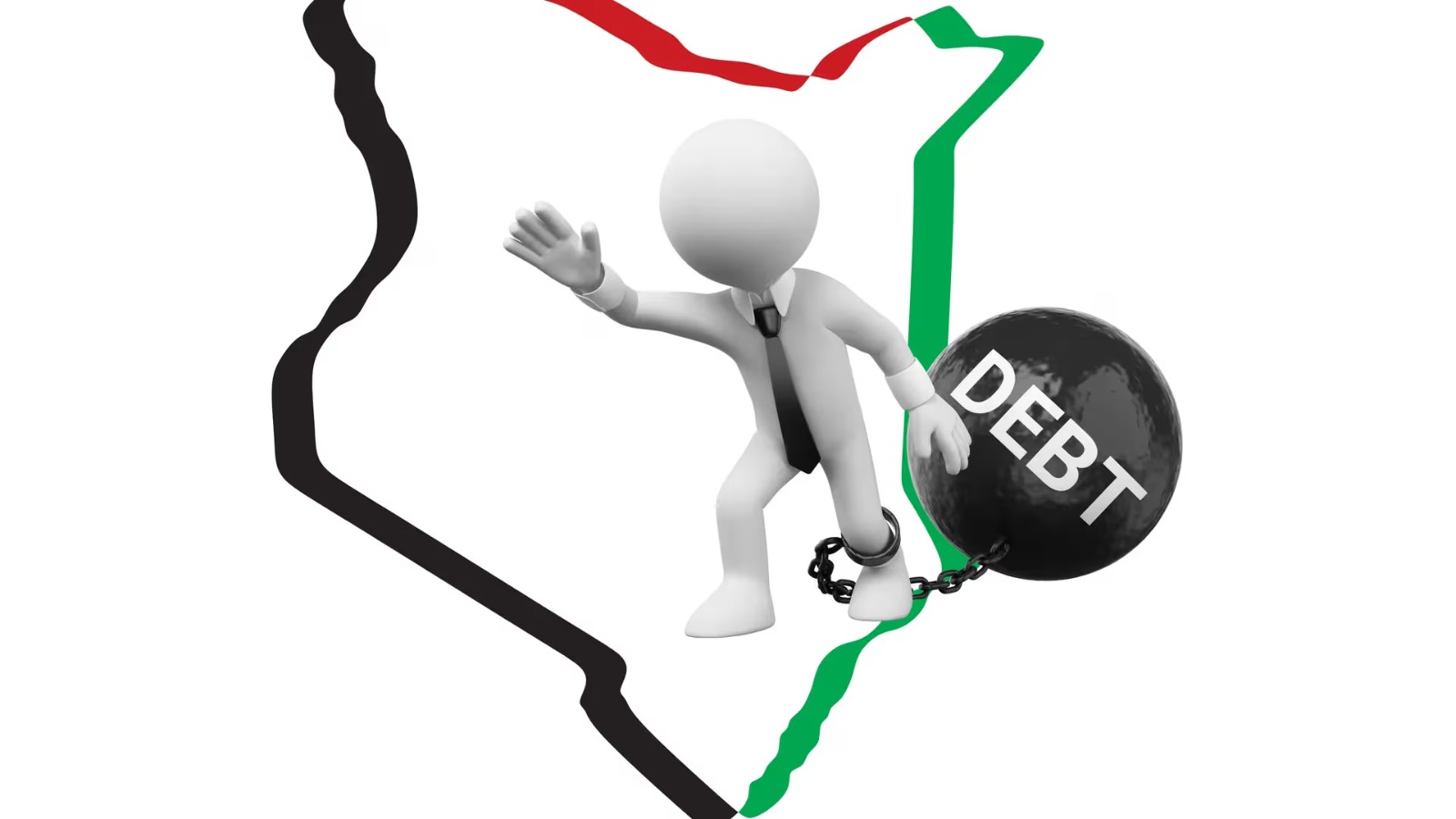

By Martin Masinde
There are moments in a nation’s life when the truth stops knocking politely and instead kicks the door down. The latest report by the Auditor General is one such moment. The revelation that Ksh 2.7 trillion of domestic borrowing cannot be tied to any development expenditure is not a footnote. It is an indictment. It is a flashing red light indicating that Kenya’s public debt story is no longer merely a fiscal challenge. It is a crime scene. For years, Kenyans have been told a simple story: we borrow to build. Roads, hospitals, water systems, dams, and power plants, this is what debt is supposedly for. But what happens when the debt grows exponentially while the infrastructure in our counties remains exactly as broken as it was before? What happens when the economy, the lifeblood of taxation, cannot keep up with the appetite for loans? What happens when numbers stop adding up? We are now living inside that “what happens.”
Kenya’s economy stands at about Ksh 16.3 trillion. Our public debt is Ksh 12 trillion. But here is the scandal: by 2023, we had already paid Ksh 8.8 trillion in debt service and amortisation. If you pay Ksh 8.8 trillion of a Ksh 12 trillion debt, you should naturally expect relief, declining debt, expanding fiscal space, reduced borrowing, and improved confidence. Instead, debt keeps rising faster than the economy itself, while development stagnates. Something is deeply wrong.
There is an unsettling logic beginning to emerge in political and financial circles, a theory whispered first in frustration and later in fear: that Kenya may be paying for the same debt twice.
Here is how the scheme allegedly works. External loans, many of them procured in opaque, unlawful, or irregular ways, should legally be deposited into the Consolidated Fund. That is the law. But what if some of these loans never reach the National Treasury at all? What if the money is wired into private offshore accounts belonging to politically connected individuals? Those individuals then lend it back to the government, not as external debt, but as domestic debt, T-bills, T-bonds, private placements, and other instruments. The government borrows this “domestic debt” at high interest, pays it from taxpayer revenue, and even refinances it at maturity.
In such a scenario, the thieves make money twice. First, by diverting the original external loan. Second, by earning interest from lending it back to the public through domestic instruments.
Meanwhile, Kenyans pay twice. First, for the external loan that never reached the exchequer. Second, for the domestic loan taken from the thieves themselves. This is not merely corruption; it is a form of financial treason.
Is this theory proven? Not yet. But is it plausible? Painfully so. The fact that the Auditor General cannot trace Ksh 2.7 trillion of domestic borrowing to any meaningful development is not a clerical error. It suggests a parallel budgetary universe. An underground fiscal architecture where loans do not build schools or roads or hospitals, but private empires.
To understand the scale, look at the numbers again:
A Ksh 16.3 trillion economy carrying Ksh 12 trillion in debt after paying Ksh 8.8 trillion. The debt curve rises like a mountain; the development curve is flat like a desert. Kenya is borrowing like a nation at war, but living like a nation in famine. Yet no one can explain what we built for Ksh 21 trillion (debt plus repayments).
What have we built worth 21 trillion shillings? Where are the expressways?
Where are the dams?
Where is the world-class healthcare system? Where is the agricultural transformation?
The truth is we cannot see the projects because they do not exist. This is why Kenya must demand a comprehensive public debt audit. It’s not a cosmetic review. Not another parliamentary committee that produces a 500-page report no one reads. We need an independent, forensic, transparent Public Debt Truth Commission, modelled after truth commissions in societies emerging from systemic plunder. This Commission must trace every loan from signature to destination. Who signed? Who received it? Which consultants were paid? Which banks handled the transfers? Which companies acted as intermediaries? Which politicians facilitated the deals? Who benefitted?
We must follow the money the way investigators chase proceeds of crime because this is exactly what much of Kenya’s public debt appears to be: proceeds of state capture.
A debt audit is not about embarrassing a sitting government or glorifying a previous one. It is about rescuing a nation on the brink of insolvency. It is about restoring public trust. It is about protecting future generations from being enslaved by obligations they never benefitted from. It is about finally separating genuine national debt from odious debt.
Odious debt is debt incurred not for public benefit but for the enrichment of rulers and their networks. International law is clear: nations are not obligated to repay odious debt. The people of Kenya must not be chained to debts they never authorised, never saw, and never benefitted from. The time for polite requests is over. We cannot continue servicing phantom debts that enrich a political elite while impoverishing a nation. We cannot continue borrowing to pay thieves. We cannot continue allowing the economy to be drained through well-tailored, carefully orchestrated, and professionally executed financial schemes masquerading as public finance management. This is the moment for clarity. For courage. For truth.
Kenya must uncover the architecture of its debt crisis. We demand a debt audit, not tomorrow, not next year, but now.
Similar Posts by The Mt Kenya Times:
- Trauma, Friendship, Love, and the Search for Self-Worth in Hanya Yanagihara’s A Little Life
- Kenya’s scouting laws face overhaul: Kiarie leads push to align movement with devolved governance
- Mt Kenya Times ePAPER September 19-20, 2026
- Kenya joins US and UK to put citizens on the terrorism frontline
- Kenya’s parliament races to tame the AI frontier
About the Author