Kenya’s Term Limits Debate: A Crucial Test For Democracy And Governance

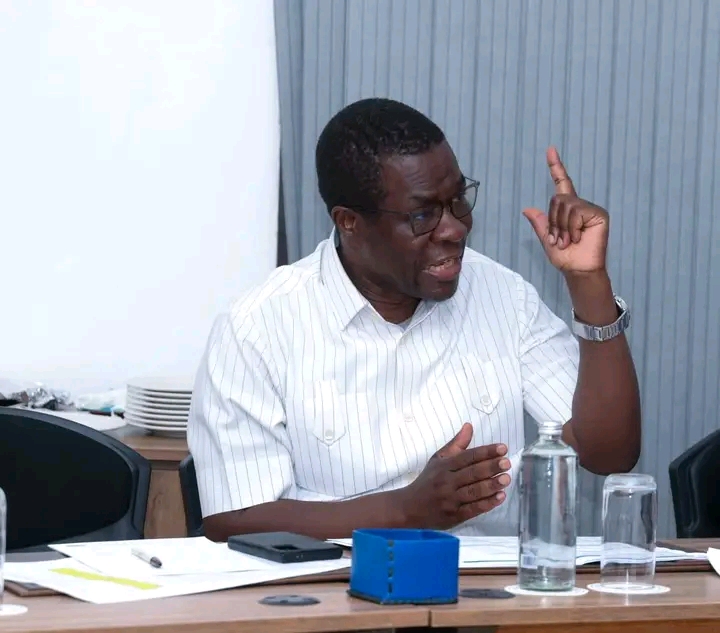
Senator Samson Cherargei

By: James Kilonzo Bwire
The debate over term limits in Kenya has intensified dramatically, with Senator Samson Cherargei’s proposal to extend presidential terms from five to seven years clashing with Senator Karungo wa Thang’wa’s push for a four-year limit. This discussion goes beyond the mere duration of terms; it fundamentally touches on the core principles of democracy, accountability, and governance in Kenya.
Cherargei argues that extending presidential terms would provide leaders with the necessary time to implement policies effectively. He believes that the current five-year term often forces presidents into a perpetual campaign mode, detracting from governance. His proposal also includes creating a Prime Minister’s office to distribute executive responsibilities more evenly, which he claims would enhance governance. However, critics, including President William Ruto and members of his United Democratic Alliance (UDA), label this initiative as “retrogressive” and a potential consolidation of power that could undermine democratic integrity.
Political analysts warn that such changes could pave the way for authoritarianism, drawing comparisons to leaders in neighboring countries who have manipulated term limits for personal gain. Prominent voices like political commentator Martin Andati suggest that Cherargei’s proposal may serve as a distraction from pressing national issues such as economic instability and corruption.
In stark contrast, Senator Thang’wa advocates for a four-year term limit for all elected officials. He argues that shorter terms would enhance accountability by allowing voters to evaluate their leaders more frequently. Thang’wa believes this approach fosters greater political participation and ensures that leaders remain responsive to the public’s needs. His proposal resonates with many Kenyans frustrated by perceived inefficiencies in governance.
Thang’wa asserts that frequent elections encourage voters to hold their leaders accountable and compel them to address pressing issues like economic challenges and social inequality. His perspective aligns with global trends favoring shorter electoral cycles as a means to enhance democratic accountability.
Public sentiment largely opposes Cherargei’s proposal, viewing it as a potential step backward in Kenya’s democratic journey. Many citizens express concerns about power consolidation and erosion of democratic principles. Constitutional experts emphasize that any changes to term limits would likely require a referendum due to their significant implications for governance.
The Senate Standing Committee on Justice has opened public consultations on these proposals, reflecting an acknowledgment of the need for citizen engagement in shaping Kenya’s democratic framework. Experts argue that lawmakers should prioritize addressing pressing national issues rather than focusing on altering term limits.
Kenya is currently grappling with severe economic challenges, including soaring inflation rates and high fuel prices impacting essential goods’ costs. These economic pressures have intensified public scrutiny of governmental actions, making it imperative for lawmakers to focus on tangible solutions rather than constitutional amendments perceived as self-serving.
Critics argue that instead of altering term limits, lawmakers should prioritize addressing issues like corruption, economic instability, and social inequality. The ongoing discussions around term limits can be seen as symptomatic of deeper political dynamics within Kenya, where rival factions shape legislative agendas that may not align with public interests.
The political landscape surrounding this debate is fraught with divisions. While Cherargei’s proposal has garnered some support within certain factions, it faces strong opposition from Ruto’s UDA party, which has distanced itself from the initiative. UDA Secretary General Hassan Omar condemned the bill as “retrogressive” and a threat to Kenya’s democratic ideals.
Moreover, Thang’wa’s counter-proposal has emerged amid accusations that Cherargei’s initiative is a political maneuver aimed at consolidating power within the ruling coalition. Thang’wa suggests that the push for longer terms reflects an attempt by some politicians to cling to power amidst declining public approval following controversial policies like the Finance Bill 2024.
As public consultations continue, it remains crucial for lawmakers to consider not only the immediate impact of these proposals but also how they align with Kenya’s broader democratic values and governance goals. Engaging citizens in this dialogue through public forums will be essential in shaping a governance framework that reflects the aspirations of all Kenyans.
Ultimately, this debate transcends mere term limits; it is about safeguarding Kenya’s democratic integrity and ensuring that elected officials remain accountable to their constituents. Lawmakers must prioritize public input and focus on reforms that enhance transparency and service delivery while preserving democratic principles.
In conclusion, while Cherargei’s proposal seeks stability through extended terms, it risks undermining the very democracy it aims to strengthen. Conversely, Thang’wa’s push for shorter terms emphasizes accountability and responsiveness—qualities essential for effective governance in a rapidly changing world. The outcome of this debate will significantly influence Kenya’s political landscape and its commitment to democratic ideals moving forward.
James Kilonzo Bwire is a Media and Communication Practitioner.
Similar Posts by The Mt Kenya Times:
- Nigeria Starts Making Its Own Next-Generation Malaria Nets
- Diaspora Times Global Oct 3 – Oct 9, 2026
- Kwale’s electricity push moves from grid to growth
- Linguistic Features Of Chromatonyms In English And Uzbek
- A Poem, a Universe: A poetry book gaze at Jumaniyoz Jabborov’s “Ko‘zgudagi sanam”
About the Author