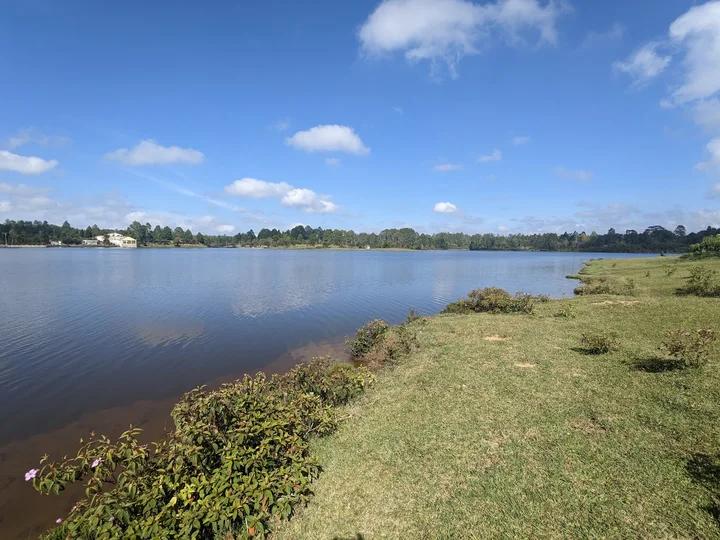
Lake Chacha
A lake sits quietly at the heart of a university campus — and almost nobody knows it exists.
By Ephraim Opiya
Travellers along the Nyahururu–Nakuru Highway know Laikipia University as an academic institution. Few know it harbours a lake.
Lake Chacha sits within the university’s main campus, largely unnoticed amid lectures, examinations and the routine of student life. That obscurity is a missed opportunity — for conservation, for tourism and for learning.
In institutions where academic pressure dominates daily existence, natural spaces offer a different kind of education. Lake Chacha can spark curiosity about ecology, prompt conversations on environmental stewardship and provide hands-on learning for students in tourism, environmental studies and related disciplines. The campus’s tree cover and green spaces reinforce this potential, creating an environment where nature and scholarship coexist.
The lake also carries modest but real tourism potential. With proper ecological assessment, conservation measures and responsible management, it could draw visitors and strengthen the university’s identity beyond its academic ranking. But promotion must follow protection, not precede it. Any development that ignores the lake’s ecological condition risks destroying the very asset it seeks to exploit.
Universities are often judged solely by graduate output and research citations. Laikipia University possesses something rarer — a living natural feature embedded within its campus. That is worth far more than a footnote in a prospectus.
Lake Chacha does not need a marketing campaign. It needs documentation, protection and the simple act of being noticed.
Similar Posts by The Mt Kenya Times:
- Mt Kenya Times ePAPER November 3, 2026
- Kang’ata: ‘I turned down the Deputy President’s job — it was a trap’
- World Bank’s KSh26B project to restore Kenya’s degraded landscapes and transform 750,000 lives
- Wiper sets final deadline for 2027 aspirants as Kenya’s electoral race begins in earnest
- Kalonzo draws his line in the sand
About the Author