The Mt Kenya Times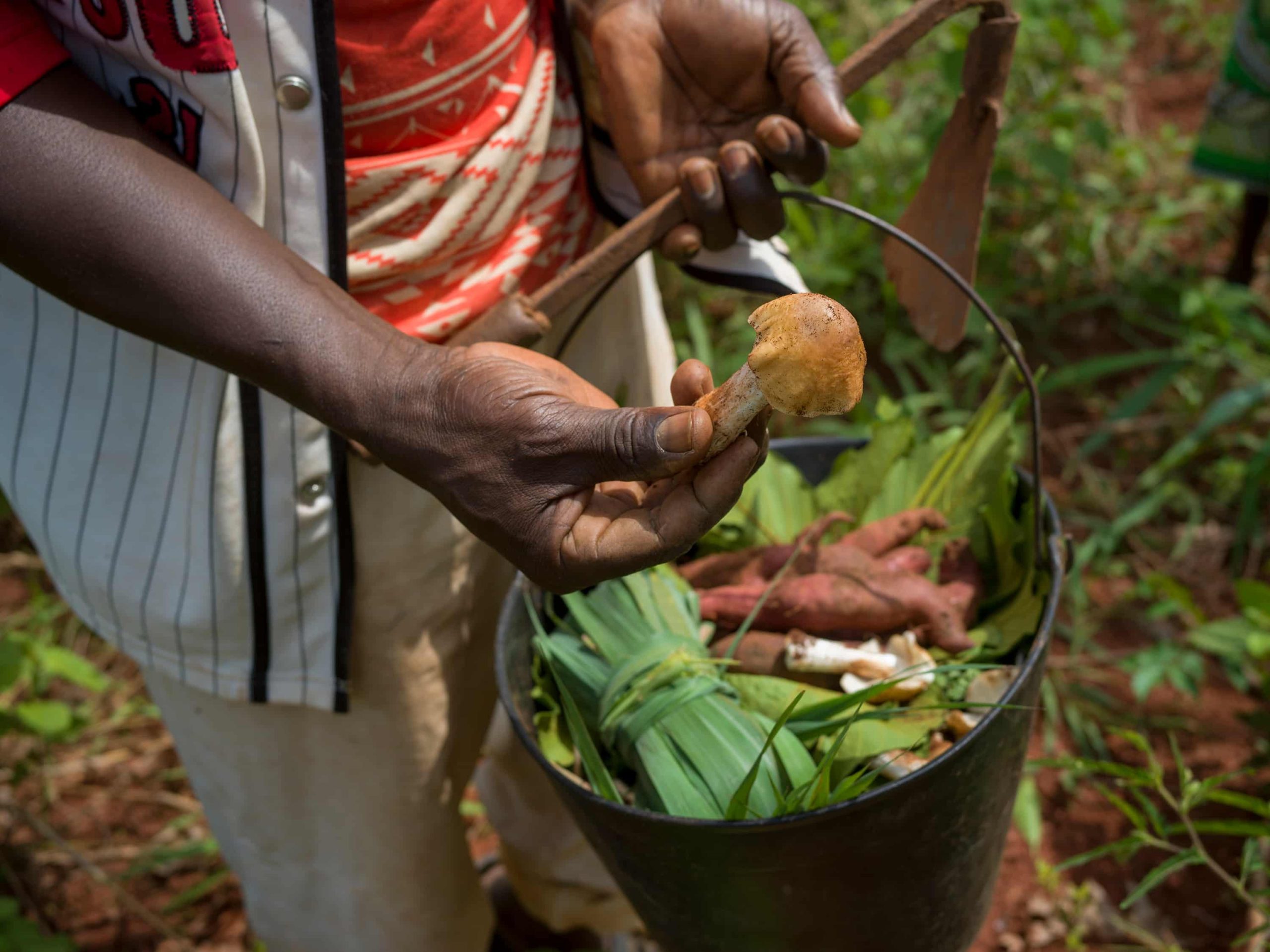
Examining the alarming intersection of land grabs and food security in Kenya, highlighting the socio-economic implications and the urgent need for reform
By: Midmark Onsongo
Worth Noting:
- In this narrative, the socio-economic implications are as profound as they are alarming. The loss of land translates directly to food insecurity, a grim reality that grips millions. With the rising population projected to hit 60 million by 2030, the demand for food continues to surge, yet the land available for cultivation shrinks.
- The hyperbole of the situation is striking: we are witnessing a perfect storm brewing, with droughts and floods exacerbating the crisis, leading to what could be termed a “food emergency” in the making. The metaphor of a ticking time bomb resonates loudly; if action is not taken, we risk an explosion of hunger that will reverberate through every corner of society.
Welcome to the heart of Kenya, where the fertile soil once thrived under the loving care of farmers, a sinister trend emerges like a storm on the horizon. Imagine the clash of titans: the humble farmer, the backbone of the nation, grappling with a formidable adversary, the land grabber, whose insatiable appetite for profit knows no bounds.
This spectacle, a drama unfolding daily, reveals the paradox of a nation rich in resources yet threatened by the very forces that should nourish it. The irony is stark; while the farmers toil beneath the unforgiving sun, the shadow of greed looms large, casting doubt upon the very future of food security in Kenya. The soil of Kenya, vibrant and full of life, has been a witness to this tragedy.
As of 2021, an estimated 1.3 million hectares of arable land have been lost to land grabs, leaving countless families in dire straits. The metaphor of a thief in the night rings true as investors, often with deep pockets and even deeper connections, snatch away land from unsuspecting farmers.
The irony lies in the juxtaposition of ambition and betrayal, where those who cultivate the land are displaced by those who see it merely as a commodity. The question that echoes through the fields is a rhetorical one: how did we allow the heart of our nation to be stolen while we stood idly by?
In this narrative, the socio-economic implications are as profound as they are alarming. The loss of land translates directly to food insecurity, a grim reality that grips millions. With the rising population projected to hit 60 million by 2030, the demand for food continues to surge, yet the land available for cultivation shrinks.
The hyperbole of the situation is striking: we are witnessing a perfect storm brewing, with droughts and floods exacerbating the crisis, leading to what could be termed a “food emergency” in the making. The metaphor of a ticking time bomb resonates loudly; if action is not taken, we risk an explosion of hunger that will reverberate through every corner of society.
Furthermore, the land grabs are not just a rural phenomenon; they ripple through urban landscapes, where the urban poor face the brunt of food insecurity. The loss of agricultural land affects prices in the market, making food unaffordable for many.
The bitter taste of irony is palpable as those who once harvested from the land now find themselves scavenging for scraps in the city. The ethos of justice screams for recognition; is it fair for the rich to grow richer while the poor struggle to fill their plates?
As we delve deeper into the consequences of land grabs, we cannot overlook the environmental impact. The destruction of ecosystems in pursuit of profit leads to a paradoxical scenario: while the land grabbers sow the seeds of financial gain, they reap the whirlwind of climate degradation.
The allusion to the biblical tale of the Good Samaritan stands out; when we neglect our duty to care for the land, we abandon the very foundation of our sustenance. The imagery of barren lands, once vibrant with life, serves as a haunting reminder of what is at stake.
In a bid to address these challenges, the Kenyan government has introduced various policies and frameworks aimed at protecting land rights and promoting food security. However, the implementation has often been riddled with gaps, akin to a ship sailing with a hole in its hull. The Paradox of the Law stands stark; despite having the laws in place, the enforcement often falters, leaving the farmers vulnerable. An anecdote illustrates this well: in 2020, a farmer in Kisumu lost his land to an unscrupulous developer, despite having the legal title.
When justice eludes those who toil on the land, what hope remains? The pathos of this situation is undeniable. The struggles of the farmers, often invisible to the urban elite, deserve to be heard. The juxtaposition of their hardships against the backdrop of urban prosperity paints a troubling picture of inequality.
The saying goes, “when the elephants fight, it is the grass that suffers.” In Kenya, the grass is not just the land; it is the very fabric of society. The pain of displacement is a bitter pill to swallow, leading to desperation, conflict, and even violence. Rhetorical questions abound in this discourse: how can a nation so rich in natural resources find itself on the brink of hunger? The answer lies in a systemic failure that prioritizes profit over people.
The irony is suffocating; as the world shifts towards sustainability and environmental stewardship, Kenya finds itself ensnared in the throes of exploitation. The potential for growth through sustainable agriculture exists, yet the struggle against land grabs remains an uphill battle. To combat these challenges, we must embrace a multifaceted approach.
First, it is crucial to raise awareness about land rights and food security. Education serves as a powerful tool in empowering communities to stand against exploitation. The power of knowledge can be likened to a sword; when wielded wisely, it can cut through the chains of oppression.
Moreover, community engagement must take center stage, allowing farmers to reclaim their narrative and advocate for their rights. The voices of the marginalized should not merely be heard; they must resonate within the corridors of power.
Additionally, the role of technology in promoting sustainable farming practices cannot be overlooked. Innovations such as precision agriculture and crop diversification offer hope amidst the turmoil. By harnessing technology, farmers can increase yields while minimizing environmental impact.
This represents a significant shift in mindset; the future of agriculture must be rooted in sustainability, rather than short-term profits. Policymakers, too, must be held accountable for their actions. The promise of reform is meaningless without action. The metaphor of the snake eating its tail illustrates a cycle of neglect that must be broken.
A call for transparency and accountability in land allocation processes is paramount. The citizens must hold their leaders accountable, demanding policies that prioritize food security and protect land rights. The battle against land grabs and the fight for food security is not merely a rural issue; it is a national crisis that demands collective action.
The symbiotic relationship between land and people must be recognized, where the welfare of one is intricately linked to the other. As the sun sets over the Kenyan landscape, casting long shadows on the struggles of the farmers, a glimmer of hope remains. If we unite, if we speak out, and if we act decisively, we can reclaim our land and secure our future.
The proverb rings true: “When the roots are deep, there is no reason to fear the wind.” Let us nurture the roots of our land, for in doing so, we cultivate the promise of food security for generations to come.
This article was scripted by;
MIDMARK ONSONGO, SGS
(Socio-Geographic Scholar)
Similar Posts by The Mt Kenya Times:
- Diaspora Times Global Sep 26 – Oct 2, 2026
- RS South Africa supports next-generation edge AI with NVIDIA Jetson Orin Nano 2
- AFRICLOUD opens Lagos region and local-currency payments across African markets
- Fine Spinners targets Kenya’s US apparel supply chain with $5m investment
- Nuclear energy debate must begin with public trust and shared responsibility
About the Author