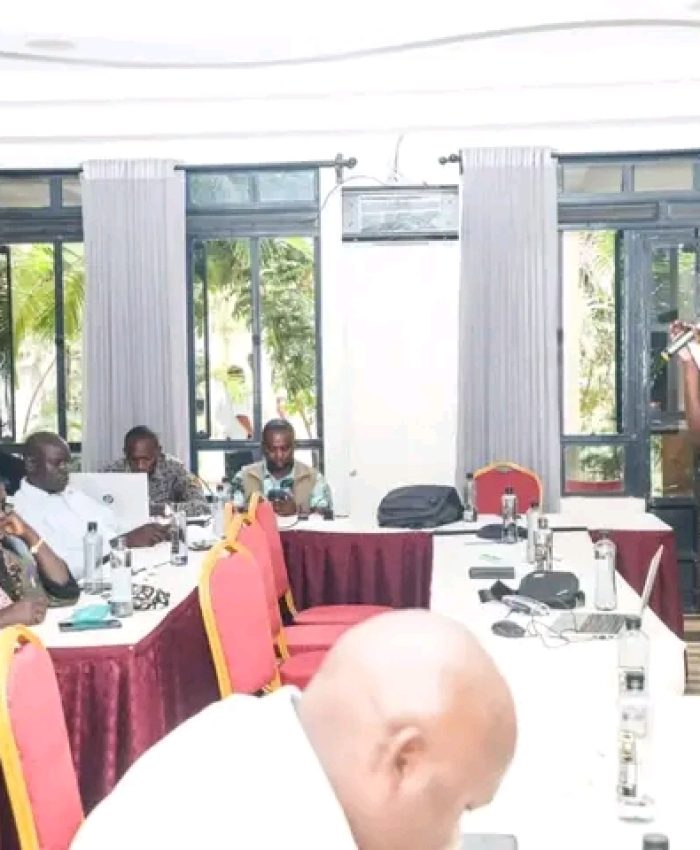

As Siaya weighs a proposed nuclear power plant, the chiefs, elders and community officers who hold public trust are the ones who will determine whether the process succeeds or fails
By James Kilonzo Bwire
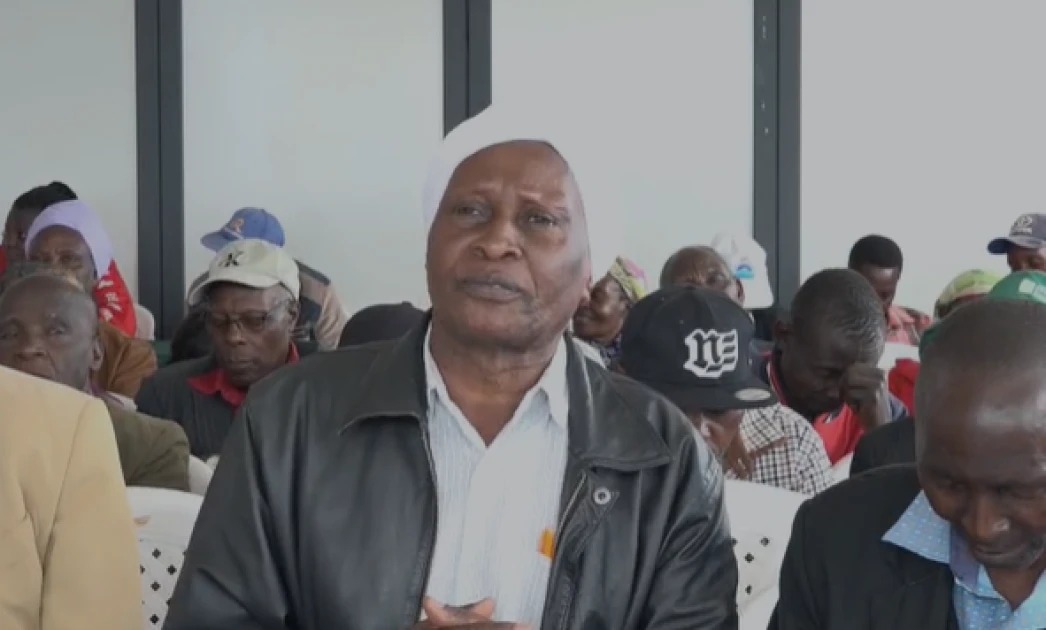
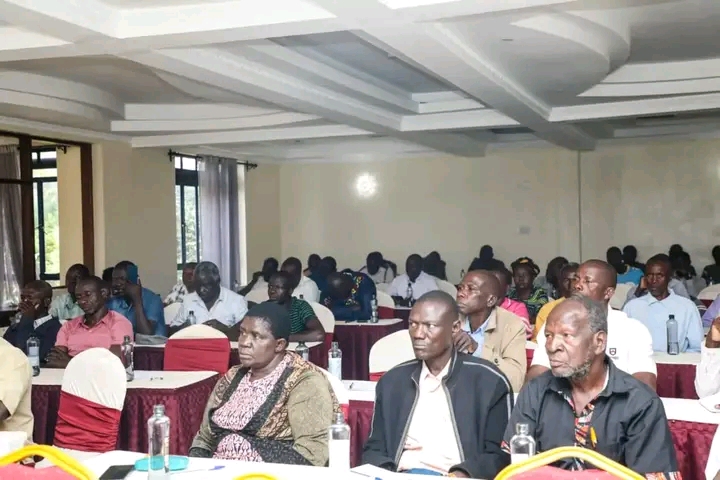
The stakeholder dialogue on the proposed nuclear power plant in Siaya, convened by the National Government Administration Office under Deputy County Commissioner Ali Manduku, marks an important moment in the democratic life of the county. The gathering brought together chiefs, assistant chiefs, security officers and village elders — the essential bridge between government policy and community understanding.
These leaders are not mere functionaries. They are custodians of communal trust and the primary facilitators of informed public debate. Their presence at the dialogue signals a deliberate acknowledgement by national and county actors that decisions of this scale cannot be imposed from above without first engaging those who live daily with the consequences.
Local leaders carry a unique responsibility in moments like this because they are the first point of contact for ordinary citizens seeking clarity, reassurance or a voice. Chiefs and assistant chiefs are charged with translating broad policy language into plain terms that residents can understand — people whose livelihoods, landscapes and futures may all be affected by what is decided. Village elders bring social capital and moral authority that can temper fears and channel community sentiment into constructive questions rather than reactive opposition. Security officers, by ensuring public order, create the conditions in which open discussion can proceed without intimidation or disruption.
Together, these actors will shape whether the discourse around the nuclear proposal becomes polarised and fearful — or informed and deliberative. Their effectiveness depends on their willingness to convey accurate information, to listen as much as they speak, and to ensure that consultation is not a one-off event but an ongoing process.
Trust is the currency of public engagement, and trust is fragile. For many communities in Siaya, nuclear energy is unfamiliar territory that prompts legitimate questions about safety, environmental impact, employment, land use and long-term benefit. Local leaders must therefore act with transparency, humility and rigour. This means acknowledging what is known and what remains uncertain, committing to seek answers from technical experts and relaying those answers faithfully. It also means resisting the temptation to silence dissent or to smooth over complex concerns with simplistic reassurances. When leaders are seen to prioritise the community’s right to know and to participate, they build resilience against rumour, misinformation and anxiety. When engagement is perceived as perfunctory or biased, distrust grows and peaceful dialogue becomes harder to sustain.
The role of these leaders extends beyond information relay — they are stewards of social cohesion. Siaya’s communities are diverse, with competing interests and histories that shape how people interpret proposed development projects. Chiefs and elders are uniquely placed to mediate between different groups, to surface underlying grievances and to ensure that the voices of the most vulnerable — youth, women, smallholder farmers and landless residents — are neither marginalised nor tokenised. Security officers, while tasked with maintaining order, must perform that role in partnership with community leaders rather than as an external force that suppresses legitimate dissent. Where social cohesion is actively nurtured, the space for reasoned discussion widens and the likelihood of constructive outcomes increases.
Effective community mobilisation requires systems as much as goodwill. Local leaders must be supported with timely, accurate and accessible information from technical and policy experts so they can answer questions with authority. Training in facilitation, risk communication and conflict resolution will strengthen their capacity to lead dialogues that are inclusive and productive. Regular, predictable engagement — town halls, information sessions and small group meetings — allows concerns to be raised and addressed before they harden into opposition. Critically, feedback gathered during these interactions must be systematically recorded and used to shape project planning and mitigation strategies. When communities see their input reflected in decision-making, trust deepens and the legitimacy of the process improves.
Accountability flows both ways. While local leaders must act responsibly, national and county authorities must reciprocate by honouring consultative commitments, providing clear timelines and making technical resources available. Promises of development benefits must be specific and verifiable. If job creation, infrastructure upgrades or community investments are part of the proposition, the terms should be clarified and mechanisms for delivery established. Without such reciprocity, consultations risk being reduced to public relations exercises that erode rather than build civic confidence. Communities must be able to hold both their local leaders and higher-level authorities to account, and mechanisms for grievance redress should be accessible, impartial and timely.
The question of a nuclear power plant in Siaya raises profound considerations about energy security, economic opportunity, environmental stewardship and intergenerational responsibility. Local leaders must not be relegated to passive roles in a process that will shape the county’s future for decades. Their involvement should be substantive, with meaningful influence over how impacts are assessed, how benefits are distributed and how safeguards are implemented. This requires spaces where technical explanations are translated into lived terms, where questions receive full and honest answers, and where the community’s consent is sought in ways that respect both democratic norms and local custom.
As the dialogues continue, the tone must remain one of mutual respect and problem-solving. Leaders should foster conversations that seek common ground and practical solutions rather than amplify differences. They should model civil engagement, encouraging community members to raise concerns constructively and to participate in monitoring and oversight should the project proceed.
Ultimately, the success of any major infrastructure project hinges not only on technical feasibility or financial backing, but on the quality of engagement with those who live closest to its impacts. Siaya’s chiefs, assistant chiefs, security officers and village elders are indispensable to that task. They are the connectors who can turn abstract policy into meaningful local deliberation, who can channel anxiety into questions that lead to clarity, and who can hold authorities to account while guiding their communities through change.
If their role is respected, reinforced with resources and embedded in a sincere process of dialogue, Siaya will be better placed to make an informed collective choice about its energy future. If their role is overlooked or undermined, social trust may fray and the path to any consensual outcome will become needlessly difficult.
The county, its leaders and its people deserve a process that treats this decision with the seriousness, transparency and inclusivity it requires. What happens next will be a test of democratic practice in Siaya — and the standing of local leaders as guardians of dialogue will be central to how that test is judged.