The Mt Kenya Times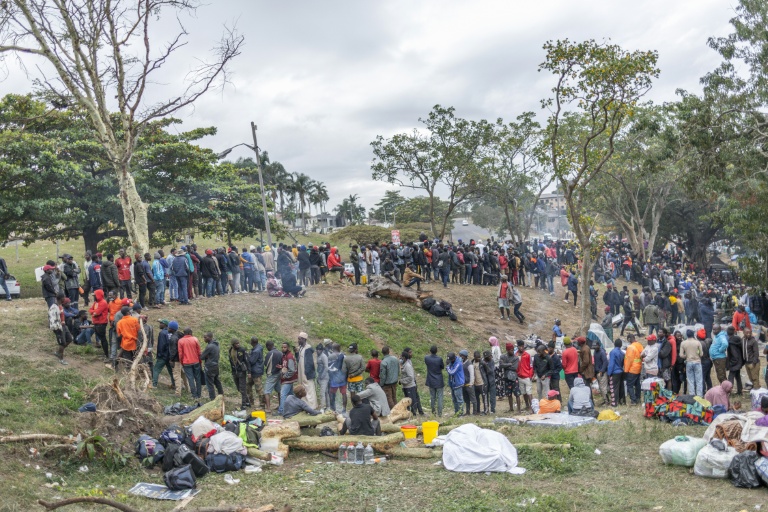
By Norman Mwale
“We left with hope. Now we just want to go home with dignity”
Hope sat heavy in the air outside Malawi’s consular office in Johannesburg on Wednesday morning as dozens of Malawians gathered with worn suitcases and tired eyes, waiting for confirmation of their journey home. For many, the wait has stretched into weeks. Jobs lost, visas expired, and promises unkept have turned what began as a search for opportunity into a long, uncertain vigil for repatriation.
The group is part of a larger wave of Malawians stranded across South Africa after a tightening of immigration enforcement and a slowdown in cross-border work contracts. With transport costs beyond reach and documentation incomplete, hundreds have registered for government-assisted return, yet flights and buses remain limited. The result is a quiet but growing humanitarian bottleneck at consular posts and transit centres.
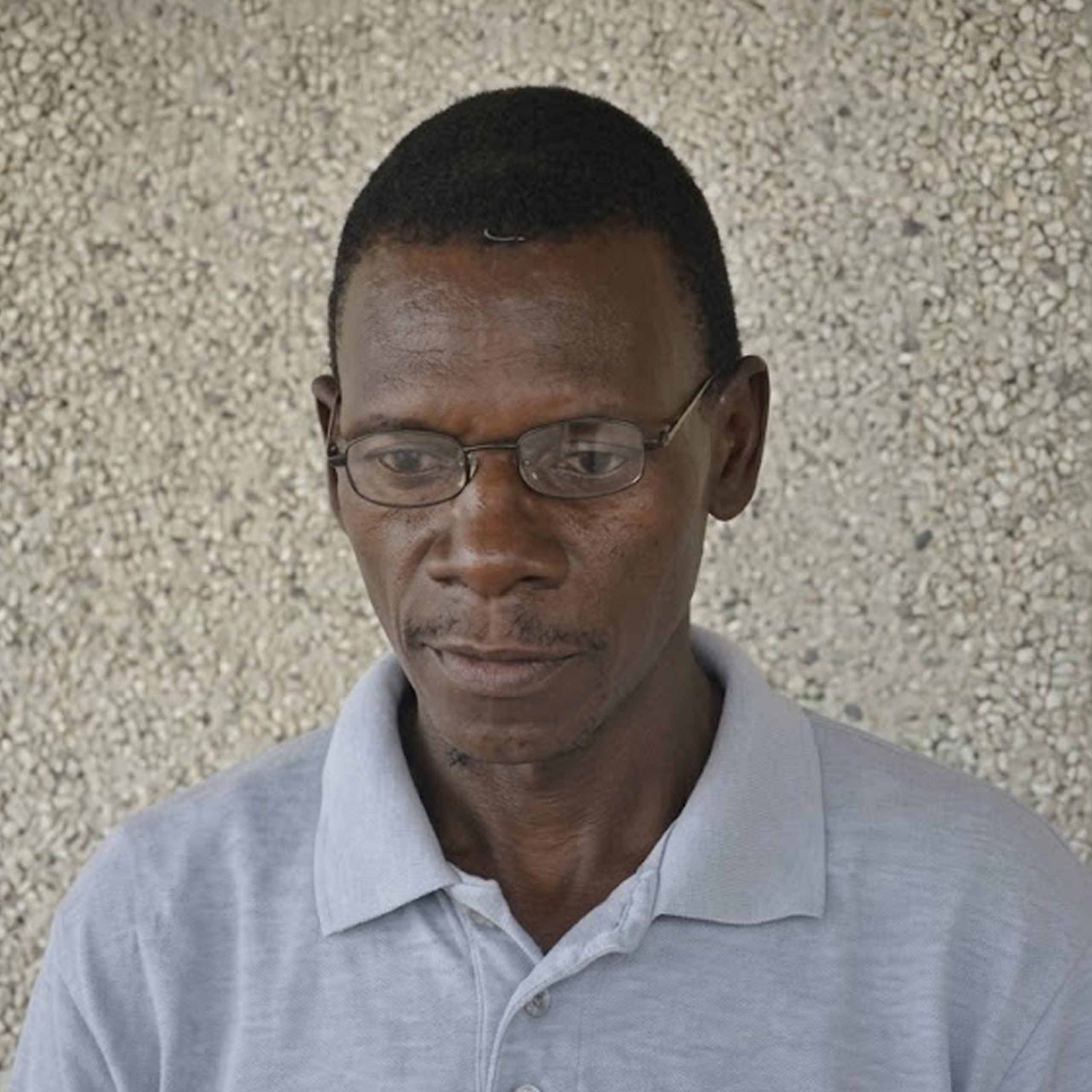
“We left with hope. Now we just want to go home with dignity,” said Blessings Mbewe, 34, who travelled from Lilongwe to Pretoria two years ago to work in construction. “The work dried up, my permit expired, and I cannot afford the bus fare back. I miss my children. I just want to see them again.” Stories like Mbewe’s repeat across the crowd — skilled workers, vendors, students — all caught between economic necessity and the hard reality of irregular migration.
Malawi’s High Commissioner to South Africa, Dorothy Banda, met the group on Tuesday and assured them that repatriation efforts were being accelerated. “The government of Malawi is working closely with South African authorities and the International Organisation for Migration to ensure that no Malawian is left behind,” she said. “We recognise the frustration, but we are processing cases in batches and prioritising the most vulnerable, including women with children and those with medical needs.” Banda confirmed that two bus convoys were scheduled for next week, with more expected before month end.
Officials from IOM echoed that message. “What we are seeing is not unique to Malawi, but the scale of need here is significant,” said IOM regional spokesperson Nomsa Mthembu. “We are supporting the Malawian government with transport, documentation, and basic assistance. The key is coordination so that people return safely and with respect for their rights.” She added that reintegration support would be offered on arrival, including skills profiling to link returnees to local economic programmes.
Back home, community leaders and civil society organisations have urged authorities to treat the return not as a failure, but as an opportunity. “These are Malawians who went out with skills and experience,” said Mzati M’bwana, chair of the Diaspora Development Forum in Blantyre. “If we plan well, their return can strengthen local enterprise. What they need now is dignity in the journey home and support when they arrive.”
For the families waiting in Malawi, the uncertainty is just as sharp. Agnes Phiri from Mzuzu has not heard from her brother in three weeks. “He calls when he can borrow a phone. He says he is safe, but he sounds tired. We pray every night that he comes home soon,” she said by telephone.
As dusk fell in Johannesburg, the group outside the consular office remained — some playing cards, others sharing bread, all watching the gate for any sign of movement. The journey home is still days away for most, but the resolve is clear. After months of waiting, Malawians are not asking for charity. They are asking for passage, for recognition, and for the chance to rebuild their lives on home soil.
Similar Posts by The Mt Kenya Times:
- Mt Kenya Times ePAPER October 1, 2026
- Museveni backs Lamu but keeps Uganda’s money at home
- Sifuna’s party wins its name — and Kenya’s opposition race begins in earnest
- Lamu’s $16B gamble: Africa’s biggest refinery divides the region
- Ruto launches KSh2.2 trillion Lamu refinery in East Africa’s biggest energy bet
About the Author