Media Information Literacy Crucial In Addressing Recent Abductions In Kenya


By: Nathan Mburu
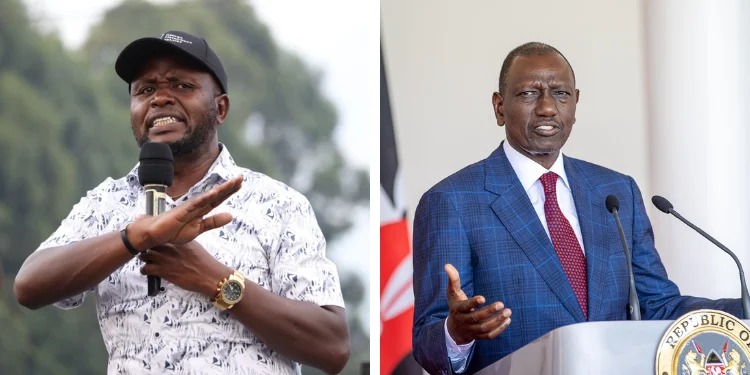
In recent weeks, Kenya has been rocked by a series of abductions that have left the nation on edge. As the public seeks information and solace, social media has become both a lifeline and a source of controversy. A particularly disturbing trend has emerged: the circulation of altered images of President William Ruto, often in humorous or mocking contexts, has drawn attention to the critical need for media information literacy.
The abductions, targeting individuals across various regions, have sparked widespread fear and uncertainty. In the wake of these events, social media platforms have been inundated with posts and memes featuring President Ruto, many of which are intended to provide comic relief amidst the tension. However, these images have also blurred the lines between satire and misinformation, complicating efforts to address the real issues at hand.
Experts in media information literacy stress the importance of discerning credible information from the deluge of content available online. Professor Jane Wanjiku, a media studies expert at the University of Nairobi, explains, “In times of crisis, the spread of misinformation can exacerbate fear and hinder effective response efforts. It is crucial for the public to critically evaluate the sources and intentions behind the information they encounter.”
The Kenyan government has echoed these sentiments, urging citizens to exercise caution and responsibility when sharing content related to the abductions. Government spokesperson Cyrus Oguna emphasized, “While humor can be a coping mechanism, it is essential to ensure that the information being disseminated does not undermine the gravity of the situation or spread falsehoods.”
Social media companies have also been called upon to take a more active role in monitoring and regulating content related to the abductions. Platforms like Facebook, Twitter, and Instagram are under scrutiny for their algorithms that often prioritize sensational content, potentially amplifying misinformation.
In response to the situation, various organizations have launched initiatives to promote media literacy. The Media Council of Kenya has been conducting workshops aimed at educating the public on how to identify reliable news sources and verify information before sharing it. “Our goal is to empower Kenyans with the skills needed to navigate the complex media landscape,” said David Omwoyo, CEO of the Media Council.
Additionally, the Ministry of Education has proposed integrating media information literacy into the national curriculum, recognizing its importance in fostering a well-informed and resilient society. Education Cabinet Secretary George Magoha stated, “Equipping our youth with these skills will not only help in the current crisis but also prepare them to be responsible digital citizens in the future.”
As Kenya grapples with the ongoing abductions, the role of media information literacy has never been more critical. By promoting critical thinking and responsible media consumption, the nation can better navigate the challenges posed by misinformation and work towards a more informed and united response to the crisis.
Similar Posts by The Mt Kenya Times:
- Mt Kenya Times ePAPER October 20, 2026
- Ruto rallies Kalenjin elders in Rift Valley unity push
- Sonko bid to nullify impeachment judgments fast-tracked in court
- Arrest the sponsors, not just the foot soldiers, Kalonzo tells police
- Police and politics shut down Kitale’s busiest market
About the Author