Ministry of Health, Johnson & Johnson Launch Joint Drive to Expand Mental Health Care
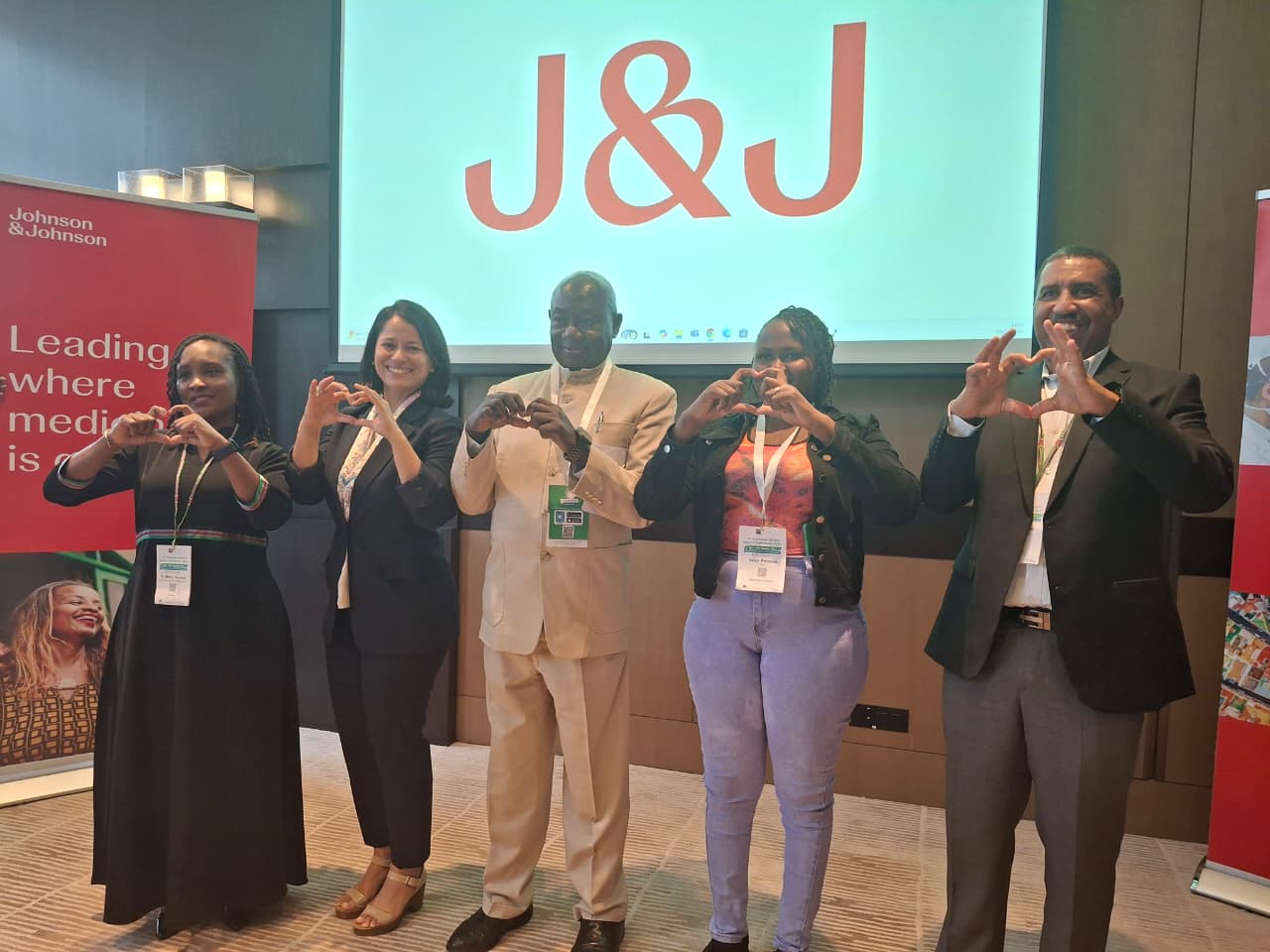
Left to right: Dr. Mercy Karanja, Head of the Division of Mental Health at the Ministry of Health, Sanae Mousannif, General Manager for Sub-Saharan Africa, Johnson & Johnson Innovative Medicine, Dr. Fred Owiti, Psychiatrist , Daisy Peresian, Person with Lived experience and Anthony Gitau, the Director of Program Delivery & Impact, Global Health Equity at Johnson & Johnson.
By Aoma Keziah,
Johnson & Johnson Middle East FZ-LLC (Kenya Branch), in partnership with the Ministry of Health, has launched the Kenya Mental Health Project, a nationwide initiative designed to improve access to mental health care and reduce the stigma surrounding it.
Kenya continues to face major mental health challenges, with thousands of people struggling in silence due to limited services and social stigma. Studies show that mental health conditions affect at least 15 percent of the working population, yet most do not receive the help they need. The country currently has fewer than 500 specialists trained in mental health.
The new project seeks to change that through a combination of community engagement, professional training, and public awareness programs. It also brings together government and private partners to create a stronger, more responsive mental health system.
Speaking during the launch, Dr. Mercy Karanja, Head of the Division of Mental Health at the Ministry of Health, said the partnership will help take mental health support beyond hospitals and clinics.
“Collaborating with Johnson & Johnson allows us to reach communities directly and give them the tools to identify and manage mental health challenges early. This initiative is a step toward a more inclusive and resilient mental health system for all Kenyans,” she stated.
The launch took place on the sidelines of the 2nd National Mental Health Conference, hosted by the Ministry of Health and co-sponsored by Johnson & Johnson.
Under the project, at least 5,000 Community Health Assistants and 100,000 Community Health Promoters are expected to be trained on a new mental health module by 2026. The training will focus on early detection, counseling, referral systems, and sustained community support.
Sanae Mousannif, General Manager for Sub-Saharan Africa at Johnson & Johnson Innovative Medicine, said the project centers on the people it aims to serve.
“We’re working hand in hand with healthcare providers to give them the skills and resources to support patients and caregivers throughout their journey. Equitable access to mental health care is essential, and collaboration with communities ensures that no one is left behind,” she remarked.
In addition to training, the initiative will include nationwide awareness campaigns aimed at encouraging open conversations and breaking stereotypes about mental illness. Community dialogues, outreach events, and media campaigns will form part of the rollout.
Anthony Gitau, Director of Program Delivery and Impact, Global Health Equity at Johnson & Johnson, emphasized the need to strengthen frontline health workers.
“Progress in mental health care depends on those who provide it. By supporting health workers and improving facilities, we make it easier for people to seek help early, without fear or long delays,” he underscored.
The project builds on existing government frameworks, including the Kenya Mental Health Policy (2015–2030) and the Suicide Prevention Strategy (2021–2026), both of which advocate for mental health integration into primary care.
Dr. Lawrence Nderi, CEO, Mathari National Teaching and Referral Hospital, highlighted that this new partnership between the Ministry of Health and Johnson & Johnson gives hope because it speaks to action, not just awareness, but bringing care closer to the people who need it most.
“It’s about training our community health workers, supporting our professionals, and opening up safe spaces for conversations that heal rather than judge. At Mathari, we have seen the difference that care, compassion, and consistency can make. Every patient who walks through our doors carries a story some of pain, some of recovery, but most of courage. They remind us that mental illness is not a life sentence, but a journey that can be managed with the right support,” he highlighted.
A panel discussion followed the launch, moderated by Gilbert Manirakiza, CEO of Newmark Group. Panelists included Daisy Peresian, a person with lived experience, Dr. Fred Owiti, a psychiatrist, and Anthony Gitau, who shared insights on strengthening health systems and community-based care.
The Kenya Mental Health Project marks a new chapter in the country’s effort to ensure that mental well-being is treated as a core part of overall health accessible, supported, and free from stigma.
Similar Posts by Aoma Keziah:
- Nationwide Youth Business Drive Enters Last Lap With New Nyota Trainings
- Green Light From Washington Sets G42 On Fast Track to Build Region’s Most Powerful AI Network
- Safina Eyes Kariobangi North Seat in Intensified Push Before Poll Day
- KEBS Opens Talks With Manufacturers On New Standards Levy Order 2025
- Kenya, Uganda And South Sudan Chart Way Forward On East Africa Rail Corridor
About the Author


 The Mt Kenya Times