Nairobi green spaces under growing threat, conservation groups warn
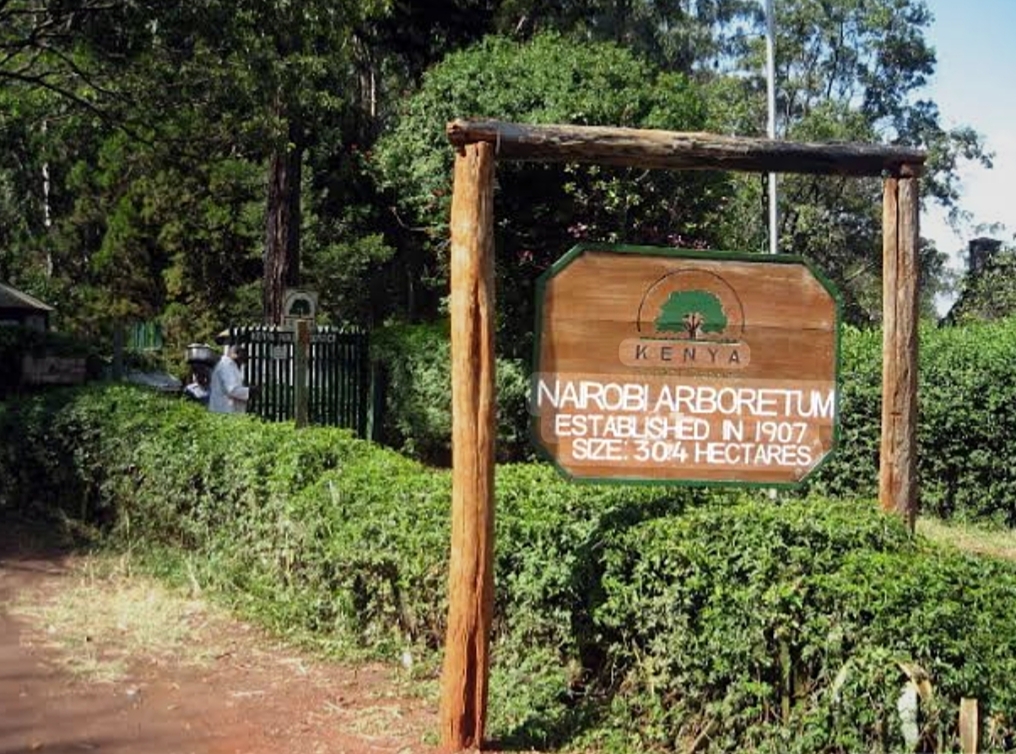
Nairobi Arboretum
By DMS
A coalition of environmental organizations and community conservation groups has issued a strong warning over what it describes as the accelerating loss and degradation of Nairobi’s forests, parks and public green spaces, calling for urgent action to safeguard the city’s natural heritage.
In a joint statement, the groups said Nairobi is experiencing a growing pattern of encroachment, infrastructure expansion, commercialization and land-use changes that threaten some of the capital’s most important ecosystems.
The organizations, operating under the banner of Friends of Nairobi’s Forests and Parks, argued that the challenges facing Karura Forest, Ngong Road Forest, Oloolua Forest, Nairobi Arboretum, City Park and Nairobi National Park are interconnected and reflect broader pressures facing Kenya’s forests and water towers.
According to the coalition, Nairobi’s forests and parks provide irreplaceable ecological services, including air purification, groundwater recharge, flood mitigation, biodiversity conservation, carbon storage and climate regulation. They also serve as important recreational spaces that contribute to public health and well-being.
Despite these benefits, the groups say environmental considerations are increasingly being sidelined in favor of short-term development interests.
Particular concern was raised over developments in Ngong Road Forest, where approximately 50 hectares of forest have already been cleared for the Talanta Sports City project. Conservationists say an additional 9.5 hectares are at risk from a proposed road connecting the stadium to Bomas of Kenya.
They also expressed concern about plans for a railway line through sections of the forest and the continued construction of a luxury eco-camp despite ongoing legal disputes.
“Viewed individually, each project may appear limited in scope, but together they represent a steady erosion of a critical urban forest ecosystem,” the statement said.
The coalition noted that the cumulative impact of these developments threatens biodiversity, water catchment functions, climate regulation and recreational opportunities provided by the forest.
Elsewhere in the city, City Park continues to face unresolved land ownership disputes and governance challenges that have left it vulnerable to encroachment and degradation.
The groups said years of neglect and piecemeal interventions have failed to address underlying issues affecting the park and called for the development of a comprehensive rehabilitation and management master plan to secure its future.
Oloolua Forest was also highlighted as an area facing increasing pressure. Conservation advocates are currently challenging in court what they describe as the irregular allocation of approximately 69 acres of forest land.
At the same time, concerns have emerged over plans to excise an additional five acres of indigenous forest to facilitate the construction of an anti-narcotics laboratory.
The organizations warned that continued reduction of protected forest land through infrastructure projects and allocations undermines national conservation efforts and sets a dangerous precedent.
Karura Forest, widely celebrated as a model of successful urban forest conservation, was cited as another ecosystem requiring stronger protection despite its achievements.
The coalition said recurring infrastructure proposals, adjacent developments and encroachment pressures continue to threaten the long-term ecological integrity of the forest.
The Nairobi Arboretum, one of the city’s oldest green spaces, is similarly facing pressure from rapid urban growth, increased human activity and inadequate ecological buffers.
Conservationists argue that preserving the Arboretum’s ecological value will require active investment and protection measures rather than passive management.
The statement also criticized what it described as a planning approach that increasingly treats mature trees and established ecosystems as obstacles to development.
Recent felling and marking of mature trees along State House Road, together with previous road expansion projects in other parts of the city, were cited as examples of infrastructure projects that fail to adequately account for environmental costs.
Nairobi National Park, the only national park located within a capital city, was identified as another ecosystem under mounting pressure.

The groups pointed to concerns over habitat clearing associated with the relocation and expansion of the Nairobi Animal Orphanage, construction of a large parking facility and other developments within the park.
They argued that such projects, when combined with roads, rail infrastructure and urban expansion, contribute to habitat fragmentation and threaten wildlife corridors that are essential for species survival.
Beyond Nairobi, the coalition warned that similar trends are affecting major forest ecosystems and water towers across the country, including the Mau Forest Complex, Mount Kenya, the Aberdares, Cherangany and Mount Elgon.
The statement linked these pressures to broader concerns about climate change, water security and biodiversity loss.
The groups also expressed concern over recent amendments to Section 56(2) of the Forest Conservation and Management Act, 2016, which expanded the powers of the Kenya Forest Service to issue permits, licenses, contracts and concession agreements for activities within public forests.
While the amendment is intended to promote investment and sustainable utilization of forest resources, conservationists fear it could lead to increased commercialization of public forests without adequate transparency, public participation and accountability.
The coalition called for an immediate review and suspension of the application of the provision in cases involving the allocation, leasing or excision of public forest land until stronger safeguards are established.
Among their recommendations, the organizations urged government agencies and regulators to halt activities threatening protected ecosystems where legal and environmental concerns remain unresolved, strengthen enforcement of environmental laws, ensure meaningful public participation in decision-making and develop a Nairobi Metropolitan Green Infrastructure Protection Framework.
They emphasized that the debate extends beyond environmental conservation alone.
“The loss of our forests and green spaces is not merely an environmental issue,” the statement said. “It is a public health issue, a climate issue, a water security issue, an economic issue and a matter of intergenerational justice.”
The groups urged Kenyans to defend the country’s forests and green spaces, warning that the choices made today will determine whether Nairobi’s natural heritage survives for future generations.
The statement was signed by several environmental and community conservation organizations, including The Green Belt Movement, JustAct, Friends of Karura Forest, Friends of Nairobi National Park, Friends of City Park, Friends of Oloolua Forest, the Ngong Road Community Forest Association and Friends of Nairobi Arboretum. The groups said they would continue advocating for stronger environmental governance, transparency and public participation in decisions affecting Kenya’s forests and green spaces.
Similar Posts by The Mt Kenya Times:
- Peter Mwathi: A proven leader with a record of service in Limuru
- Mt Kenya Times ePAPER September 22, 2026
- Ruto offers Kenya as test case on African risk
- Gachagua demands fuel deal accountability, accuses Ruto of deception
- Azimio is dead. Long live the Ukombozi Alliance
About the Author