Navigating Change: The FKF Elections And The Future Of Kenyan Football
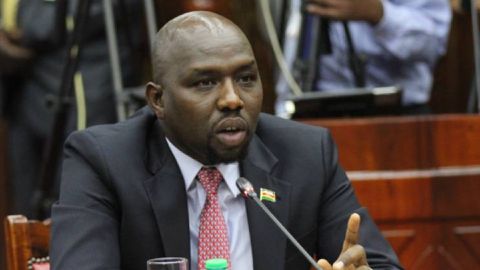
Sports Cabinet Secretary Kipchumba Murkomen

By: James’ Bwire Kilonzo
The developments in the Football Kenya Federation (FKF) elections have ignited a significant debate about leadership, eligibility, and the future trajectory of Kenyan football. Sports Cabinet Secretary Kipchumba Murkomen’s declaration that outgoing FKF President Nick Mwendwa is ineligible to run as Doris Petra’s deputy has effectively dismantled their strategic maneuver to maintain power through a perceived loophole in the Sports Act.
Mwendwa and Petra, who have served two consecutive terms since 2016, attempted to circumvent the two-term limit by switching roles—Petra would run for president while Mwendwa would serve as her vice president. This plan was not merely a tactical shift; it was an ambitious bid to solidify their influence and potentially make history with Petra as Kenya’s first female FKF president. However, this strategy has been met with legal scrutiny and public skepticism, raising questions about the integrity of their leadership.
The Sports Act (2013) clearly stipulates that no official can serve more than two terms in the same position. Mwendwa’s tenure as president places him squarely within this limitation, making any attempt to retain influence through a deputy role legally questionable. Murkomen’s statement aligns with earlier assertions from Sports Registrar Rose Wasike, who had already deemed Mwendwa ineligible for any position within FKF due to his previous terms. This ruling underscores the importance of adhering to legal frameworks designed to promote fair competition and accountability within sports organizations.
This situation has opened the door for a much-needed leadership renewal within FKF. With nine presidential candidates now vying for the top position, including former FKF Secretary General Barry Otieno, sports administrator Tom Alila, and ex-international players like Sammy “Kempes” Owino, there is an opportunity for fresh perspectives and innovative ideas to reshape Kenyan football. Each candidate brings unique experiences and visions for the future of the sport in Kenya. For instance, Otieno’s recent resignation from his role as CEO highlights a shift towards seeking greater transparency and accountability within FKF.
The electoral process is crucial not just for determining leadership but also for restoring faith in FKF’s governance. The upcoming elections on December 7 are seen as a pivotal moment for Kenyan football, which has been marred by controversies and mismanagement in recent years. The candidates’ ability to engage with stakeholders and address pressing issues will be essential in rebuilding trust among players, fans, and sponsors alike. With allegations of financial mismanagement and governance issues lingering from Mwendwa’s administration, the new leadership must prioritize transparency and effective communication to regain public confidence.
Moreover, this electoral cycle presents an opportunity to reflect on the broader implications of leadership transitions within sports federations. The challenges faced by FKF are not unique; they mirror struggles in various sports organizations globally where incumbents often resist change. The potential for new leadership can invigorate grassroots football development, enhance transparency, and foster a culture of accountability. As candidates prepare their manifestos, they must prioritize strategies that promote inclusivity and development at all levels of football in Kenya.
As the electoral board prepares to vet candidates and finalize the list ahead of the elections, it is imperative that all stakeholders remain vigilant against any attempts to manipulate regulations or undermine democratic processes. The integrity of Kenyan football hinges on a fair election that prioritizes merit over familiarity. With stringent eligibility criteria set forth by the FKF Electoral Board—including requirements for endorsements from current members and proof of active involvement in football—there is hope that this election will pave the way for leaders who truly represent the interests of Kenyan football.
In conclusion, while Mwendwa and Petra’s attempt to retain power may have been thwarted by legal constraints, the upcoming FKF elections represent a crucial juncture for Kenyan football. With a diverse slate of candidates ready to step forward, there is hope for revitalization and progress within the federation. The focus must now shift towards ensuring a transparent electoral process that empowers new leadership capable of steering Kenyan football towards success on both local and international stages. As stakeholders engage in this pivotal moment, they must champion integrity and vision to foster a thriving football culture that resonates with fans across Kenya.
James’ Bwire Kilonzo is a Media and Communication Practitioner.
Similar Posts by The Mt Kenya Times:
- Utumishi girls fire and the search for justice
- Mt Kenya Times ePAPER September 21, 2026
- Gachagua accuses Ruto of using UNGA trip to seal niobium deal in Kwale
- Ichung’wah turns Uhuru’s ‘sponyo’ joke into a policy attack
- Kuria’s rebuke of Kindiki on brews reopens the wound Gachagua left behind
About the Author