By Muhonja Winnie
As Kenya transitions to the Competency-Based Curriculum (CBC), the introduction of junior secondary school, including Grade Nine, has brought both opportunities and challenges. The CBC aims to equip learners with practical skills and competencies, but the realities on the ground have exposed significant gaps in infrastructure, teacher preparedness, and resource allocation. These challenges are shaping the experiences of Grade Nine students in schools across the country, creating both struggles and opportunities for reform.
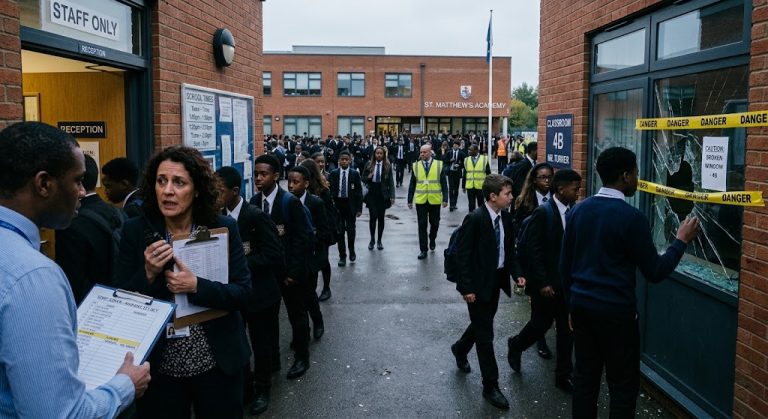
There is infrastructure Deficit which is the most pressing challenge faced by schools hosting Grade Nine students The CBC curriculum requires specialized facilities such as science laboratories, libraries, workshops, and well-equipped classrooms. Unfortunately, many schools—especially in rural and underfunded areas are not well prepared to meet these demands. Some schools have resorted to converting existing spaces or merging classes, leading to overcrowding and strained resources. These conditions undermine the quality of education and hinder students’ ability to fully engage with the curriculum.
On the other hand, Shortage of trained teachers on the new curriculum is draining .The implementation of Grade Nine has exposed a severe shortage of qualified teachers trained in the CBC framework. The curriculum emphasizes subject-specific instruction and practical, project-based learning, which requires educators to adopt new teaching methodologies. However, many teachers have yet to receive adequate training, leaving them ill-equipped to deliver the curriculum effectively.
This shortage is particularly evident in critical areas such as science, technology, engineering, and mathematics (STEM). As a result, schools are forced to rely on overstretched or untrained teachers, compromising the learning experience for Grade Nine students.
Also financial Strain on Schools and Parents is a huge hindrance where it requires significant financial investment in infrastructure, learning materials, and teacher recruitment. For public schools, government funding often arrives late or falls short of what is needed, while private schools face challenges in raising funds without overburdening parents.
Parents are also feeling the financial pinch, as they struggle to afford new school uniforms, textbooks, and additional fees for junior secondary education. This financial strain is particularly acute for families in low-income areas, further widening the gap in access to quality education.
The placement of junior secondary students within primary school facilities has created logistical challenges. Many schools lack the capacity to host Grade Nine students, forcing learners to transfer to better-equipped institutions. This has led to disruptions in education, with some students having to travel long distances or drop out entirely due to the added costs and logistical challenges.
Schools with limited space and resources have been forced to turn away students, exacerbating inequalities in access to junior secondary education and leaving many learners uncertain about their future.
Despite these challenges, some schools have successfully adapted to the demands of the CBC and are providing a positive learning environment for Grade Nine students. Schools with strong leadership and access to better resources have made significant strides in implementing the curriculum.
Innovative approaches, such as partnerships with communities, NGOs, and private organizations, have helped some schools acquire the necessary infrastructure and materials. Schools that have prioritized teacher training are also seeing better outcomes in curriculum delivery, demonstrating the potential for success when the right investments are made.
The CBC has the potential to transform education in Kenya and prepare learners for a rapidly changing world. To realize this vision, it is crucial to create an environment where Grade Nine students can thrive and fully benefit from the curriculum. Only through sustained investment and innovative solutions can the country ensure equitable access to quality education for all learners.
By Muhonja Winnie, Rongo university
Similar Posts by The Mt Kenya Times:
- Mt Kenya Times ePAPER August 25, 2026
- Mt Kenya Times ePAPER August 24, 2026
- Diaspora Times Global Aug 22 – Aug 28, 2026
- Mt Kenya Times ePAPER August 21, 2026
- Ichung’wah dares ICC: Investigate the opposition too
About the Author