Navigating The Political Crossroads: Natembeya’s Call For ODM To Realign
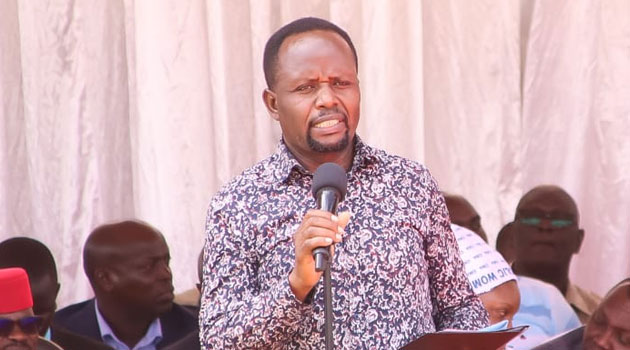
Governor George Natembeya

By: James Kilonzo Bwire
Worth Noting:
- The response from ODM officials, who assert that Raila Odinga’s leadership has not betrayed coalition partners, underscores the internal divisions within the opposition. This conflict reveals a critical tension between maintaining party unity and adapting to the evolving political landscape. While some leaders advocate for collaboration with the government, others caution against the risks of diluting the opposition’s voice in governance.
- Natembeya’s political ascent is noteworthy. Transitioning from a Regional Commissioner to a prominent political figure in Western Kenya, he has positioned himself as a champion for Luhya unity and a critic of traditional leaders like Moses Wetangula and Musalia Mudavadi. His “Tawe Movement,” which calls for rejecting ineffective leadership and promoting community empowerment, resonates with a constituency eager for change.
Governor George Natembeya’s yesterday call for the Orange Democratic Movement (ODM) to exit the Azimio One Kenya coalition and join the government signifies a crucial juncture in Kenya’s political narrative. This plea not only reflects the frustrations of certain opposition factions regarding ODM’s perceived alignment with the ruling Kenya Kwanza government but also highlights the intricate dynamics of coalition politics in the country.
Natembeya’s insistence on a robust opposition role is vital for ensuring governmental accountability. He articulates that the opposition must hold the government accountable, a sentiment echoed by many who see a weak opposition as detrimental to democracy. His position raises critical questions about the efficacy of the Azimio coalition and its ability to challenge the ruling government if its key figures are viewed as collaborating with it.
The response from ODM officials, who assert that Raila Odinga’s leadership has not betrayed coalition partners, underscores the internal divisions within the opposition. This conflict reveals a critical tension between maintaining party unity and adapting to the evolving political landscape. While some leaders advocate for collaboration with the government, others caution against the risks of diluting the opposition’s voice in governance.
Natembeya’s political ascent is noteworthy. Transitioning from a Regional Commissioner to a prominent political figure in Western Kenya, he has positioned himself as a champion for Luhya unity and a critic of traditional leaders like Moses Wetangula and Musalia Mudavadi. His “Tawe Movement,” which calls for rejecting ineffective leadership and promoting community empowerment, resonates with a constituency eager for change.
The political landscape in Western Kenya is further complicated by rising tensions and rivalries. Recent clashes among supporters of different political factions illustrate the volatility of the region’s dynamics. As Natembeya positions himself as a potential kingpin for the Luhya community, he faces opposition not only from rival leaders but also from within his coalition. This internal strife could either galvanize support for his leadership or lead to further fragmentation among opposition parties.
As political dynamics evolve, the potential for collaboration within the opposition remains uncertain. While some leaders, like Natembeya, advocate for a pragmatic approach prioritizing development, others cling to traditional opposition roles. This divergence could either strengthen the opposition’s position or lead to its disintegration, ultimately impacting governance and public trust in political institutions.
The recent absence of Natembeya at an Azimio rally in his own county further complicates the situation. His decision to skip the anti-Ruto rally, attended by other Azimio governors, has drawn criticism from fellow party members, who perceive it as a lack of commitment to the coalition’s objectives. This absence raises questions about his loyalty to the party and his intentions moving forward.
In conclusion, Governor Natembeya’s call for ODM to realign with the government reflects a significant shift in Kenya’s political landscape. As the opposition grapples with internal divisions and external pressures, the future of coalition politics in Kenya hangs in the balance. The ability of opposition leaders to unite around common goals while navigating the complexities of political alliances will be crucial for their relevance and effectiveness in the coming years. The unfolding political drama in Kenya not only impacts the immediate political landscape but also sets the stage for the future of governance and democracy in the country.
James Kilonzo Bwire is a Media and communication student at Masinde muliro university of science and technology kakamega.
Similar Posts by The Mt Kenya Times:
- Mt Kenya Times ePAPER October 14, 2026
- Kalonzo takes Kenya’s economic case to London
- Court refuses to halt ruling on KSh204B Safaricom share sale
- Kenya’s budget watchdog flags record KSh209B in unplanned government spending
- Opposition cracks widen as Nyoro and Methu trade Ruto bribery claims
About the Author