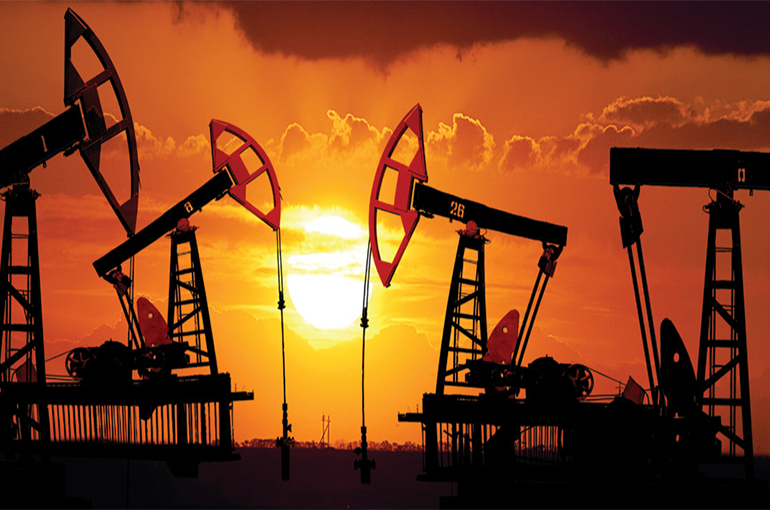
Oil exploration

By: Kato Paul
Worth Noting:
- The oil related activities are also expected to worsen the already existing climate change, lead to the outbreak of diseases like cancer to Ugandans and dyeing of aquatic life resulting from resulting the oil spills and decline of the tourism sector which contributes 7.7% of the GDP to the Uganda’s economy.
- This because most of the oil and gas activities under the Tilenga project are taking place in the heart of the largest national park in Uganda that is to say Murchison falls , with more than 132 oil wells planned out of 400.
Recently the government of Uganda and the oil companies announced the signing of the Final Investment Decision (FID) for the three projects such as Tilenga, Kingfisher and EACOP as well. The FID which was signed was one of the important steps in Uganda’s journey to First Oil .The first drop of the oil is expected in 2025.The all three oil project are going to operate in the sensitive eco-systems. This means that the oil related activities are going worsen the already existing climate change in the country.
Today a couple of oil related activities are taking place in the Albertine region and the greater Masaka without considering the protected areas such as National parks, Forestss, Wetlands, water bodies and people’s livelihoods as well.
This is likely to contribute to a big threat to people’s livelihoods, the country’s economy, environment as well as climate change. The country is already grappling with climatic changes such as drought, floods and change of season resulting from the clearance of the forests and wetland to favor human activities.
The oil related activities are also expected to worsen the already existing climate change, lead to the outbreak of diseases like cancer to Ugandans and dyeing of aquatic life resulting from resulting the oil spills and decline of the tourism sector which contributes 7.7% of the GDP to the Uganda’s economy. This because most of the oil and gas activities under the Tilenga project are taking place in the heart of the largest national park in Uganda that is to say Murchison falls , with more than 132 oil wells planned out of 400.
In addition to that East Africa Crude Oil Pipeline (EACOP) project the longest heated pipeline in the world ( fifty degrees),1443km stretched from Hoima Uganda to Tanga in Tanzania is also expect to threaten directly many protected forests and reserves including several primary forests – in Tanzania and Uganda, swamps , wetlands and lake victoria for instance more than 400 km of the route will cross the lake Victoria which saves nearly 40 million people in the region depending on the it water and fish as food and it will produce 34.3 million tons of CO2 will per year.
The oil related activities shouldn’t temper with critical eco-systems because the play a lot of roles to people’s livelihoods, environment and the country’s economy for instance they help in the formation of the rainfall, provide local herbs to communities, home of both wild and aquatic animals, source of food and water a catchments, help in the absorption gas emmissions and others. The oil related activities will not replace the socio-economic services provided by the critical eco-systems.
Therefore, I call on the government of Uganda and the oil companies to respect the critical biodiversity’s while implementing the oil related activities in the Albertine graben and Greater Masaka.
Kato Paul-Research Associate at Africa Institute for Energy Governance (AFIEGO)
katop.adyeeri@gmail.com
.
Similar Posts by The Mt Kenya Times:
- Mt Kenya Times ePAPER September 17, 2026
- Ruto and Uhuru: The rupture at the heart of Kenya’s 2027 election
- Gakoromone traders and rights group demand closure of sewage discharge
- Retirement is not disenfranchisement: Reclaiming the constitutional rights of Kenya’s former presidents
- Kenya’s 2027 election: Can technology strengthen democracy or manipulate voters?
About the Author