Public Health Officers Address Pressing Challenges In Preventive And Promotive Healthcare
 The Mt Kenya Times
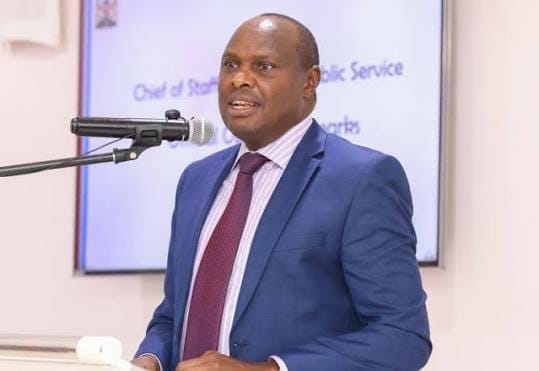
Mathew Juma, a public health officer issuing his address to the media at a hotel in Nairobi
By: Cynthia Masibo
Public health officers and technicians convened to deliberate on critical issues affecting preventive and promotive health services in Kenya. The engagement, led by Mr. Mathew Juma, a public health officer, highlighted emerging public health challenges, funding constraints, and proposed actionable solutions to safeguard the health of Kenyans.
The meeting began with an acknowledgment of the rising burden of infectious diseases. Recent outbreaks of Kala Azar in Wajir, cholera in Migori, and waterborne illnesses in Kisii underscore the urgent need for improved disease prevention measures. These incidents have resulted in hospitalizations and fatalities, exacerbating the strain on Kenya’s healthcare system.
A major concern raised was the withdrawal of USAID funding and indications of reduced support from other donors. These funds have historically bolstered preventive and promotive health initiatives. The participants urged the Kenyan government to enhance domestic funding for these services and ringfence resources specifically for preventive healthcare. They argued that such investments would reduce the pressure on healthcare facilities and lower overall healthcare costs.
The officers emphasized the importance of the Primary Health Act (SHA) in improving primary-level health services. They called on county governments to allocate Facility Improvement Fund (FIF) resources toward preventive care. Some counties have already enacted FIF Acts to support this initiative, but broader implementation is necessary to empower public health officers in disease control efforts.
The forum also addressed proposed changes in healthcare governance. Participants strongly opposed merging regulatory bodies, arguing that such moves could dilute the effectiveness of professional associations. They stressed that each profession faces unique challenges that require tailored solutions.
The officers concluded with a stern warning: failure to prioritize preventive and promotive healthcare will lead to dire public health consequences. They recommended that all reforms focus on strengthening service delivery at the grassroots level to ensure equitable access to quality healthcare.
This engagement underscores the critical role of public health officers in addressing Kenya’s evolving health challenges. Their recommendations aim to safeguard the well-being of all Kenyans amidst a dynamic healthcare landscape.
Similar Posts by The Mt Kenya Times:
- Mt Kenya Times ePAPER September 19-20, 2026
- Kenya joins US and UK to put citizens on the terrorism frontline
- Kenya’s parliament races to tame the AI frontier
- Kalonzo calls Ruto to order over Uhuru attacks
- Gachagua takes his 2027 campaign to America
About the Author