Rebuilding Trust And Oversight In Kenya’s SACCO Sector: A Framework For Sustainable Reform
 The Mt Kenya Times
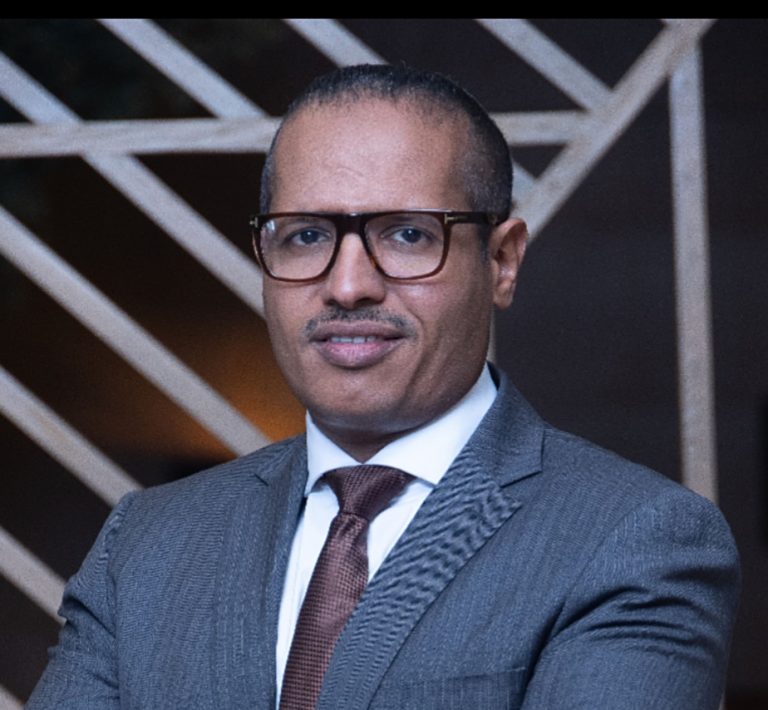
By Jerameel Kevins Owuor Odhiambo
Worth Noting:
- The governance structure of SACCOs themselves requires fundamental reform to prevent capture by self-interested executives and board members. Mandatory term limits for board members and executives would prevent entrenchment of power and facilitate fresh oversight perspectives.
- Implementation of mandatory cooling-off periods before employees can assume management positions would disrupt potential collusion networks. Board composition should legally require inclusion of members with certified financial expertise and a designated ethics officer with protected whistleblower status.
- Creating statutorily recognized member-led oversight committees with guaranteed access to financial records and audit processes would establish multiple layers of accountability. Executive compensation should be directly linked to audit compliance, liquidity maintenance, and prudent investment returns rather than headline dividend figures that encourage risky behavior.
“Things fall apart; the centre cannot hold; mere anarchy is loosed upon the world,” wrote Chinua Achebe, borrowing Yeats’ prophetic words that eerily foreshadow the current crisis engulfing Kenya’s SACCO sector, where the collapse of financial integrity at Metropolitan SACCO and KUSCCO has unleashed not just monetary losses but a devastating erosion of public trust. The sophisticated embezzlement schemes that siphoned Ksh 15 billion from Metropolitan SACCO and Ksh 13.3 billion from KUSCCO represent not merely financial crimes but profound betrayals of the cooperative spirit. The forging of deceased auditors’ signatures, creation of fictitious accounts, and diversion of billions meant for economic empowerment reveal a systemic failure of governance and oversight. These scandals have exposed fundamental vulnerabilities in Kenya’s cooperative movement, threatening an institution that millions rely upon for financial inclusion and community development. The scale of these failures demands not incremental adjustments but a comprehensive reimagining of SACCO governance and regulatory frameworks to prevent similar catastrophes in the future.
The Sacco Societies Regulatory Authority (SASRA) requires substantial strengthening through expanded statutory powers and modernized technological capabilities to effectively monitor the sector. SASRA should implement AI-powered transaction monitoring systems that can identify unusual patterns and potential fraud in real-time, rather than discovering malfeasance years after the damage is done. The regulatory body needs specialized forensic accounting units dedicated exclusively to cooperative oversight, with staff trained in detecting sophisticated financial crimes unique to the SACCO model. Regular stress tests and vulnerability assessments should become mandatory for all SACCOs above a certain asset threshold, with results transparently shared with members and regulators alike. SASRA should also have emergency intervention powers that allow for immediate management changes when serious irregularities are detected, preventing the extended periods of unchecked fraud witnessed at Metropolitan and KUSCCO.
The governance structure of SACCOs themselves requires fundamental reform to prevent capture by self-interested executives and board members. Mandatory term limits for board members and executives would prevent entrenchment of power and facilitate fresh oversight perspectives. Implementation of mandatory cooling-off periods before employees can assume management positions would disrupt potential collusion networks. Board composition should legally require inclusion of members with certified financial expertise and a designated ethics officer with protected whistleblower status. Creating statutorily recognized member-led oversight committees with guaranteed access to financial records and audit processes would establish multiple layers of accountability. Executive compensation should be directly linked to audit compliance, liquidity maintenance, and prudent investment returns rather than headline dividend figures that encourage risky behavior.
Technological innovations must be leveraged not as superficial modernization but as structural safeguards against fraud and mismanagement. Blockchain-secured transaction ledgers could create immutable records that prevent retroactive manipulation of financial statements. Biometric verification systems would eliminate ghost accounts and unauthorized withdrawals that featured prominently in recent scandals. Open-source accounting platforms could allow qualified members to verify transaction integrity without compromising security or privacy. AI-powered anomaly detection algorithms could continuously monitor for patterns indicative of fraud, flagging concerns long before traditional annual audits might discover them. Cloud-based transparency portals could give members real-time visibility into aggregate SACCO performance metrics without requiring advanced financial literacy.
The audit framework for SACCOs requires complete overhaul to prevent the collusion and manipulation evident in recent scandals. Mandatory rotation of external auditors every three years would prevent the development of compromising relationships between auditors and executives. Joint audits by multiple firms for larger SACCOs would provide additional layers of verification and reduce the risk of capture. Creation of specialized cooperative audit certifications would ensure auditors understand the unique operations and vulnerabilities of the SACCO model. Random spot-checks by SASRA-appointed auditors outside the regular audit cycle would introduce unpredictability that deters fraud. Whistleblower protections and rewards specifically designed for audit professionals would encourage reporting of pressure to approve manipulated statements.
Member education and empowerment represent critical components of any sustainable reform agenda. Financial literacy programs specifically tailored to SACCO governance should be mandatory for all members, with special intensive training for those in oversight roles. Quarterly standardized disclosure reports in accessible language should be distributed to all members, explaining key financial indicators and risk exposures. Digital dashboards accessible via mobile phones could allow even members with limited financial knowledge to track their SACCO’s performance against sector benchmarks. Member-initiated special audits should be permitted when a threshold percentage of membership petitions for additional oversight. Facilitated member forums independent of board control would create spaces for questioning financial decisions without intimidation.
Dividend practices require fundamental recalibration to discourage the short-termism that often drives financial manipulation. SACCOs should establish clear dividend policies tied to sustainable earnings rather than competitive pressures or member expectations. Regulatory caps on dividend payout ratios would prevent unsustainable distributions that undermine long-term stability. Required capital adequacy buffers should take precedence over dividend declarations, with transparent communication to members about this prioritization. Education campaigns should reshape member expectations around reasonable returns consistent with cooperative principles rather than commercial banking yields. Performance metrics should emphasize long-term sustainability metrics over annual dividend rates when evaluating SACCO management success.
Crisis management protocols need institutionalization to prevent the kind of systemic contagion currently threatening the broader SACCO movement. Creation of an industry-funded stabilization fund would provide emergency liquidity to SACCOs affected by broader sector issues. Established communication frameworks would ensure transparent but measured information sharing during crisis periods. Clear resolution mechanisms for insolvent SACCOs would protect member interests while maintaining sector stability. Contingency planning requirements would ensure all SACCOs have board-approved strategies for navigating various crisis scenarios. Regular sector-wide stress tests would identify systemic vulnerabilities before they manifest as full-blown crises.
Interagency coordination must be strengthened to close the regulatory gaps exploited in recent scandals. Formal collaborative frameworks between SASRA, the Central Bank of Kenya, the Ethics and Anti-Corruption Commission, and the Criminal Investigation Department would ensure comprehensive oversight. Shared intelligence platforms would allow cross-referencing of suspicious activities across the financial system. Joint investigation teams with specialized expertise would be rapidly deployable when complex fraud is suspected. Harmonized penalty frameworks across regulatory bodies would prevent exploitation of inconsistencies in enforcement. Regular coordination meetings would ensure emerging threats are identified and addressed collaboratively.
Cultural transformation within SACCOs must complement structural reforms to rebuild the ethical foundations of the cooperative movement. Leadership development programs emphasizing ethical decision-making and cooperative principles should be mandatory for all board members and executives. Ethical codes of conduct with meaningful enforcement mechanisms should be standardized across the sector. Performance evaluations at all levels should incorporate ethical behavior and transparency metrics alongside financial results. Recognition programs should celebrate SACCOs demonstrating exemplary governance rather than merely high dividend payouts. Industry associations should promote a culture of self-regulation and peer accountability to complement formal oversight mechanisms.
Member activism presents an untapped resource for sustainable reform and must be structurally encouraged rather than suppressed. Digital platforms for member engagement would allow continuous feedback rather than just annual general meeting participation. Protected channels for reporting suspected irregularities would empower members to raise concerns without fear of retaliation. Member-initiated governance reviews should be accommodated when supported by a reasonable percentage of membership. Training programs specifically designed for member-activists would build capacity for effective oversight. Recognition of outstanding member contributions to governance would reinforce the value of active participation.
The rebuilding of public trust in Kenya’s cooperative movement will require not just technical reforms but a fundamental philosophical recommitment to the core principles that once made SACCOs beacons of community empowerment. SACCOs must publicly rearticulate their commitment to member economic advancement over institutional growth or executive enrichment. Storytelling initiatives highlighting successful governance models would create positive examples for emulation. Transparency commitments exceeding regulatory requirements would signal a new era of accountability. Community impact reports alongside financial statements would refocus attention on cooperative purposes beyond merely financial metrics. Public education campaigns would explain governance reforms in accessible language, rebuilding confidence through demonstrated commitment to change rather than mere promises of improvement.
The writer is a legal scrivener
Similar Posts by The Mt Kenya Times:
- Mt Kenya Times ePAPER October 23, 2026
- Ruto’s parting COMESA call: Remove the barriers, honour the commitments
- Direct hospital access to KEMSA cuts drug delays, says PS
- Africa can’t wait: Continent seeks $1 trillion for climate adaptation
- Ruto passes the baton as Africa’s trade bloc faces a fragmenting world
About the Author