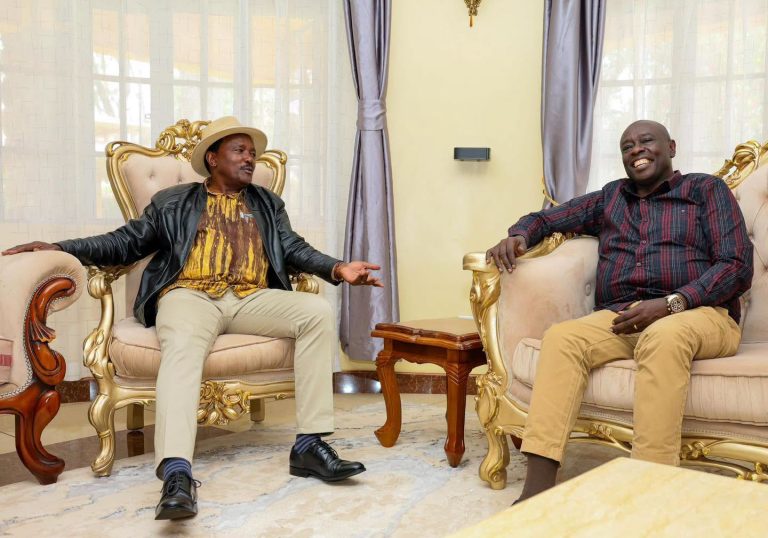
Respecting The Office Of The Deputy President Is A Matter Of Principle, Not Preference Or Favour
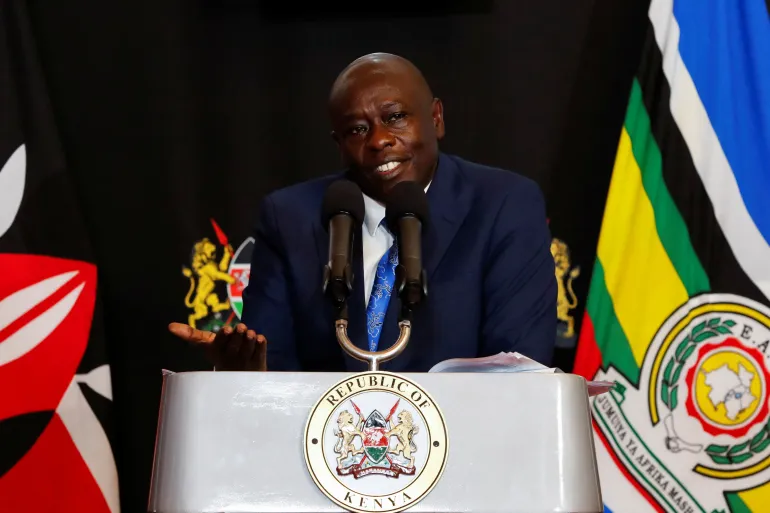
Deputy President Rigathi Gachagua

By Kamomonti Wa Kiambati
Worth Noting:
- Deputy President Rigathi Gachagua, like any political figure, is subject to scrutiny. His leadership style, public statements, and policy positions have often sparked debate and controversy. However, it’s vital to distinguish between criticism of his actions and the respect that his office deserves. One can disagree with his policies or political rhetoric, but targeting him in a personal and demeaning manner weakens the very office he holds.
- We must also acknowledge that Gachagua, like all leaders, operates within a complex political environment where his decisions are influenced by various factors. His detractors must recognize the pressures and constraints of leadership, especially when serving in such a high office.
In any functional democracy, respect for institutions is paramount. Offices like that of the Deputy President hold an important place in the structure of governance. When we belittle or demean the holder of this office, we do more harm to the institution than to the individual. In the case of Kenya, it’s critical that we understand the broader implications when we disrespect the current Deputy President, Rigathi Gachagua. The consequences of diminishing this office go beyond the man and strike at the heart of Kenya’s democratic institutions.
To fully appreciate the gravity of demeaning the Deputy President’s office, it’s essential to first understand the role and significance of that position within the government. The Deputy President is more than just a political figure; they are a symbol of continuity in governance, a balancing force in the executive branch, and a potential national leader in waiting. Disrespecting the person who holds this position undermines the authority and integrity of the institution, eroding public trust in leadership as a whole.
In Kenya, the Deputy President plays a critical role in executing government functions and supporting the President in running the country. While political disagreements and divergent opinions are healthy in a democracy, the way we express our dissent matters. Criticism should focus on policies, actions, and strategies, not the individual’s character or the office they hold.
By failing to separate personal views from the office, we risk weakening our institutional structures. This disrespect trickles down, creating a culture where leadership, in general, is disregarded, leading to a breakdown in the hierarchy of governance.
Deputy President Rigathi Gachagua, like any political figure, is subject to scrutiny. His leadership style, public statements, and policy positions have often sparked debate and controversy. However, it’s vital to distinguish between criticism of his actions and the respect that his office deserves. One can disagree with his policies or political rhetoric, but targeting him in a personal and demeaning manner weakens the very office he holds.
We must also acknowledge that Gachagua, like all leaders, operates within a complex political environment where his decisions are influenced by various factors. His detractors must recognize the pressures and constraints of leadership, especially when serving in such a high office.
When political discourse devolves into personal attacks and mockery, it serves to polarize the nation further. This can distract from meaningful debate on policy issues, governance, and national development. It’s essential to engage with the ideas and actions of our leaders rather than attacking their character or personhood. When we cross that line, we disrespect not only Gachagua but the Deputy President’s office as an institution that is meant to serve all Kenyans.
The tone of public discourse in Kenya has, in recent times, been shaped by a growing culture of insult and cynicism. Social media platforms, talk shows, and public forums are increasingly becoming spaces where personal attacks and mockery have taken the place of constructive criticism. This trend is particularly harmful when directed at public figures such as the Deputy President, as it can lower the standards of national debate and erode public trust in leadership.
Kenya, like many other democracies, needs a healthy environment for political discourse. This means allowing room for criticism while maintaining respect for the offices that shape our nation. Civil discourse demands that we focus on actions, policies, and ideas rather than demeaning personalities. By doing so, we build a society that values dialogue over division, and solutions over slander.
For the sake of our national institutions, it is critical that Kenyans move away from personal insults and attacks against the Deputy President. Respecting the office does not equate to agreeing with everything the holder of the office says or does; rather, it’s about preserving the dignity of leadership and ensuring that our governance structures remain intact.
The consequences of diminishing the deputy president’s office are dire. There are long-term consequences when we allow personal disdain for a leader to translate into disrespect for their office. The first is a loss of credibility in the institution itself. If the office of the Deputy President is constantly disrespected, it loses its authority in the eyes of the public. This diminishes the influence of future holders of the office and undermines its ability to function effectively as part of the executive branch.
Additionally, this kind of behavior sets a dangerous precedent. When citizens feel it’s acceptable to undermine high offices, this attitude trickles down through all levels of governance, from the presidency to local leadership. Ultimately, it weakens the fabric of our democracy by eroding respect for the rule of law and governance.
Demeaning Rigathi Gachagua does not only harm him personally; it harms the institution he represents. While there will always be political differences and debates in any democracy, respect for the office of the Deputy President must remain paramount. This respect is vital to maintaining strong governance, fostering constructive discourse, and ensuring that our democratic institutions continue to function with dignity. Criticism should be directed at policies and actions, not at the person or office, as our ability to uphold respect for leadership positions is crucial for the future stability and growth of the nation.
Kamomonti teaches English and Literature in Gatundu North Sub County.
Similar Posts by The Mt Kenya Times:
- Let’s not throw out the baby with the bathwater: Why responsible digital lending still matters
- Utumishi murder case shifts as accused children weigh plea bargains
- Students bear the brunt of Kenya’s public university crisis
- The strategic importance of social work in preventing harmful habits among young people
- How Mitei has steadied the ship at TSC
About the Author