SAY NO TO OIL ACTIVITIES TO SAVE WILD LIFE, ENVIRONMENT AND COMMUNITIES
Oil in Uganda

By: Nuwamanya Mercy
Worth Noting:
- According to the 2017 world wide fund (WWF) it reported that the pipeline is likely to lead to significant disturbance, fragmentation and increased poaching within important biodiversity and natural habitats populated by elephants, lions, and chimpanzees that are on the international Red List of threatened species.
- Research says that, the pipeline will bisect the Biharamulo game reserve, which contains one of the world’s last five populations of ashy red coleus monkeys, as well as hippopotami, elephants, zebras and. In the east the pipeline will traverse 32 kilometers of the Webber Steppe, seasonally flooded grassland known for its birdlife.
It’s noted that Murchison falls is among the biggest national parks in Africa where people in all parts of t the world come from all over the world to enjoy the spectacle of the Victoria Nile thundering down the cliffs, but this could soon be history if Total and the China National Offshore Oil Corporation CNOOC get their way to construct a pipeline. It should be remembered that some of the roads in Murchison Falls National Park are already being widened and this might obstruct the movement of animals like elephants which might also lead to the irreversible damage of environment biodiversity and climate.
Besides hosting thousands of dangerous species, Murchison Falls National Park also hosts a long stretch of the River Nile, which is shared by Uganda, Rwanda, Sudan, Tanzania, Burundi, South Sudan, Ethiopia, Kenya, DR Congo and Egypt. It’s this therefore that thousands of farmers are likely to lose their land when the carbon foot prints are burned. It’s noted that these oil companies claim to have resolved local environmental and social issues for the oil fields and pipeline, which should be highly questioned by the government before the companies start to use peoples land.
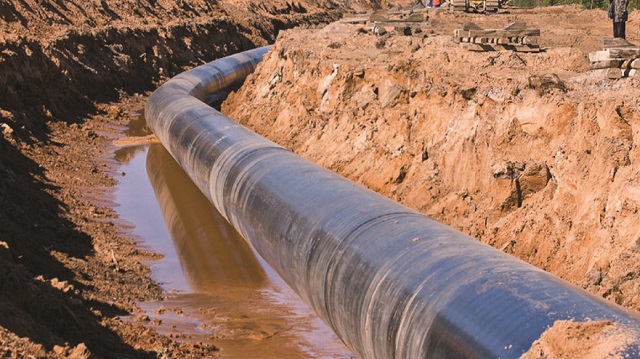
The pipeline also threaten local communities since the Kingfisher field will be built in a small formerly isolated area where local communities are heavily dependent on natural resources such as fish and firewood, it should be remembered that two-thirds of the pipeline will pass through farmland meaning that between 9,500 and 14,500 farms will be effected by construction in some households face displacement which makes them to stay with many questions unanswered in addition , communities are likely to face the challenges of pollution caused by the pipeline
According to the 2017 world wide fund (WWF) it reported that the pipeline is likely to lead to significant disturbance, fragmentation and increased poaching within important biodiversity and natural habitats populated by elephants, lions, and chimpanzees that are on the international Red List of threatened species.
Research says that, the pipeline will bisect the Biharamulo game reserve, which contains one of the world’s last five populations of ashy red coleus monkeys, as well as hippopotami, elephants, zebras and. In the east the pipeline will traverse 32 kilometers of the Webber Steppe, seasonally flooded grassland known for its birdlife.
In conclusion therefore, the government should consider giving favorable compensation to the effected persons instead of pushing them without the next step because its noted that 7,000 people from 13 villages have already lost land in Home district, on the eastern shore of Lake Albert, to make way for infrastructure, including an airport to fly in equipment’s for the oil fields, Resettlement village Others claim they were cheated of cash compensation by local contractors who fabricated land valuations and failed to document all .
Nuwamanya Mercy
Research associate @AFIEGO
Similar Posts by The Mt Kenya Times:
- Mt Kenya Times ePAPER September 17, 2026
- Ruto and Uhuru: The rupture at the heart of Kenya’s 2027 election
- Gakoromone traders and rights group demand closure of sewage discharge
- Retirement is not disenfranchisement: Reclaiming the constitutional rights of Kenya’s former presidents
- Kenya’s 2027 election: Can technology strengthen democracy or manipulate voters?
About the Author