The Mt Kenya Times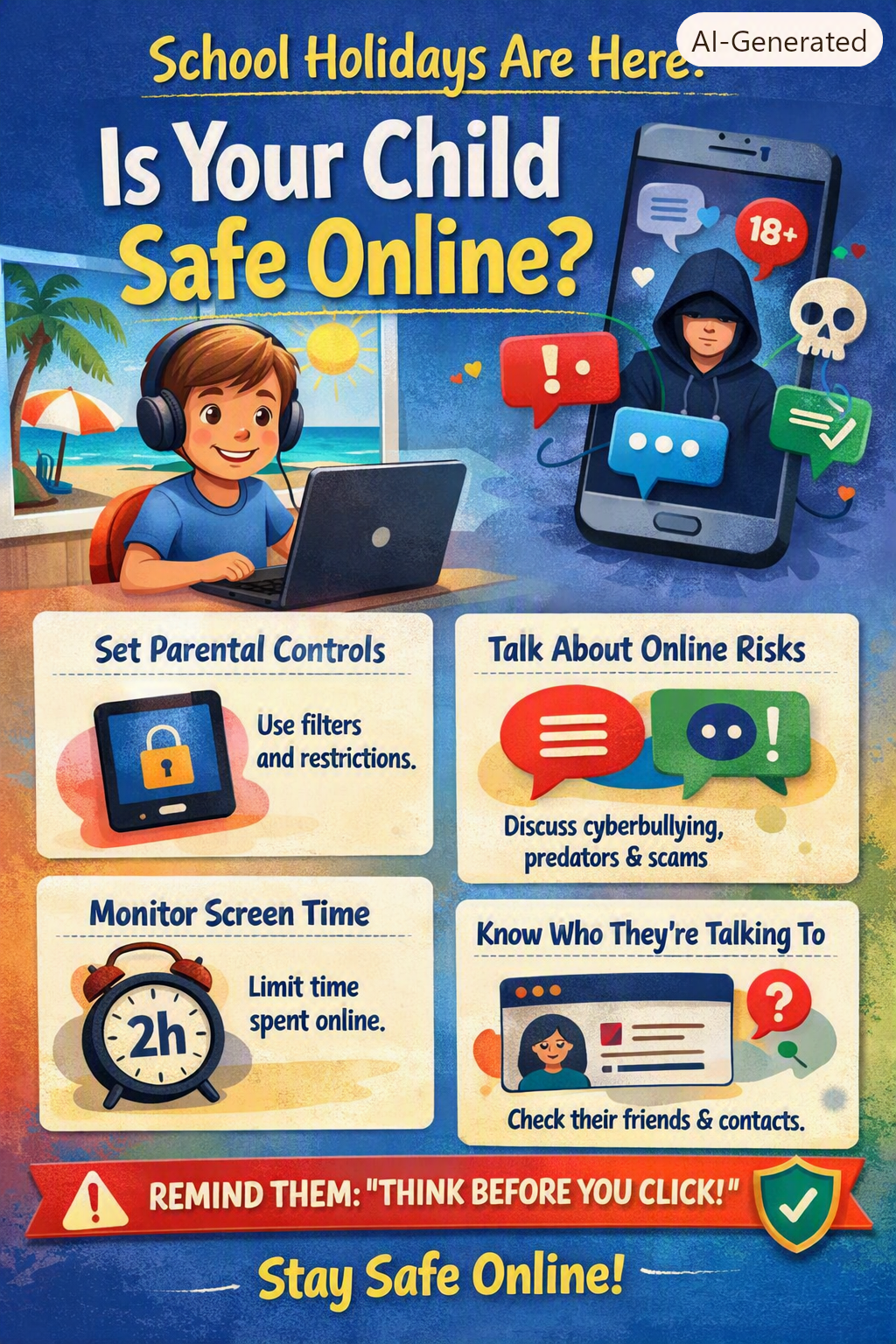
With millions of students suddenly at home and devices filling the gap, parents face an urgent question about who — or what — is really keeping their children company.
By David Nyaga
With the school gates locked for the holidays, a familiar challenge has returned to homes across the country. Millions of students suddenly have hours of unstructured time on their hands, and for working parents juggling jobs and family life, smartphones and tablets have quietly become the default babysitter. It is a practical solution — but it raises a question we cannot afford to ignore: exactly what are our children encountering on the other side of that screen?
Today’s internet is not the static library of information it once was. It is a borderless, highly interactive digital playground, and it is engineered to be as compelling as possible. When a child logs into a multiplayer game or scrolls through a short-form video platform, they are stepping into an environment built by some of the world’s most sophisticated algorithms — systems designed specifically to capture attention and keep it. The bright colours, viral dances and endless scroll are not accidental. They create powerful feedback loops that make devices genuinely difficult to put down, even for adults.
This is where the real danger lives. Because so much of this digital landscape is unmoderated and has no geographical boundaries, young users are routinely exposed to threats that are invisible to the adults in their lives. The risks go well beyond screen time and sore eyes. In the privacy of their bedrooms, children can stumble into persistent cyberbullying, age-inappropriate content and predatory grooming from adults concealing themselves behind anonymous profiles. The growing normalisation of in-app purchases and micro-transactions in mobile gaming adds another layer of risk, exposing children to subtle financial exploitation that many parents never notice until it is too late.
The instinct to simply confiscate devices or ban screens altogether is understandable — but it is increasingly counterproductive. We live in a society where digital literacy is a non-negotiable life skill, and cutting children off from technology does not protect them; it simply drives their digital lives underground. When a child fears that telling a parent about something distressing online will mean losing their phone, they choose silence. And silence is precisely the condition that puts them at greatest risk.
Protection, then, requires a real shift in how we think about managing screens at home. The first step is putting practical guardrails in place. Modern operating systems and home routers offer robust parental controls — tools such as Google Family Link and Apple Screen Time — that allow parents to filter explicit content, monitor app downloads and set automatic time limits. These are not surveillance tools; they are sensible defaults that provide a crucial first layer of defence without turning the home into a battleground.
But software alone is never enough. The most effective protection a parent can offer is trust and open conversation. Rather than acting as passive observers, parents need to become active and curious guides in their children’s digital lives. That means talking regularly about what their children are watching, who they are playing games with online, and how certain interactions make them feel. It means explaining, in age-appropriate terms, why what goes online tends to stay online — and why protecting personal information matters.
Physical boundaries at home matter too. Simple, consistent rules — keeping the dining table screen-free, charging all devices overnight in a shared family space rather than in bedrooms — create healthy separation between children and their devices without generating conflict. Technology should fit around family life, not dictate it.
As we settle into this holiday season, it is worth remembering that technology, for all its power and convenience, has no moral compass. That responsibility belongs to us. The internet is a vast and largely unregulated ocean. Before we allow our children to dive in, we owe it to them to teach them how to swim.
Similar Posts by The Mt Kenya Times:
- Mt Kenya Times ePAPER September 17, 2026
- Ruto and Uhuru: The rupture at the heart of Kenya’s 2027 election
- Gakoromone traders and rights group demand closure of sewage discharge
- Retirement is not disenfranchisement: Reclaiming the constitutional rights of Kenya’s former presidents
- Kenya’s 2027 election: Can technology strengthen democracy or manipulate voters?
About the Author